


Listen to the article
Electricity Costs Surge Nationwide as Winter Approaches, Straining Household Budgets
WASHINGTON — American households face mounting financial pressure as electricity costs continue to climb across the country, with winter heating bills expected to rise significantly in the coming months.
The National Energy Assistance Directors Association (NEADA) projects the average U.S. household will spend $995 on home heating this winter, marking an $84 increase compared to last year. This comes as residential electricity prices in 2025 have reached their highest level in a decade, with average monthly bills already up approximately 10% since January.
This upward trend in energy costs comes at a challenging time for many Americans already dealing with persistent inflation in other sectors of the economy. Energy analysts point to a complex web of factors driving the price increases, rather than a single culprit.
According to NEADA, several key elements are contributing to rising electricity prices. High interest rates have increased the financing costs for utility companies maintaining and expanding the power grid. The growing reliance on natural gas for power generation has also played a role, with fluctuations in natural gas prices directly impacting electricity rates.
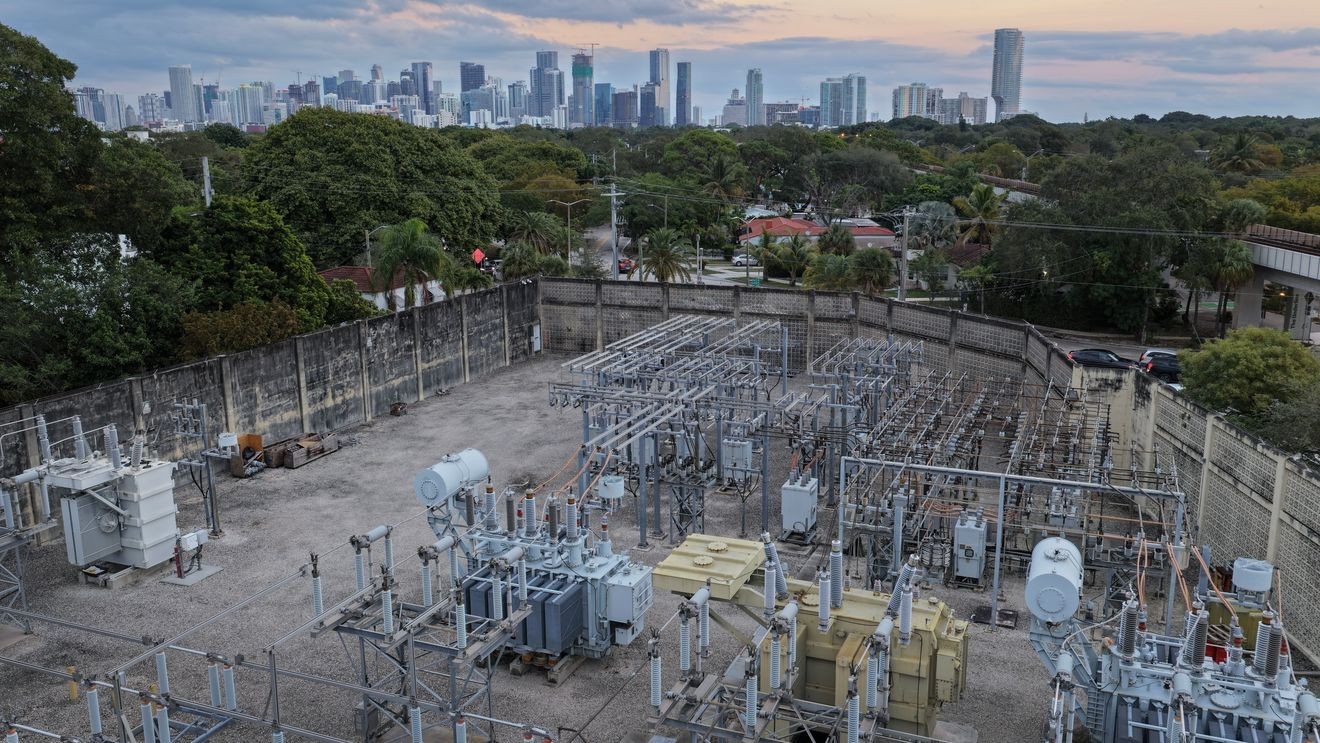
The rapidly expanding presence of data centers, particularly those supporting artificial intelligence operations, has created unprecedented demand on regional grids. These facilities consume massive amounts of electricity, often equivalent to small cities. Additionally, America’s aging power infrastructure requires costly upgrades and maintenance, while several regions face capacity shortfalls during peak demand periods.
In response to these challenges, the Trump administration has unveiled a plan focused on expanding what it calls “reliable baseload” power generation. The initiative will begin in the Mid-Atlantic region, which is served by PJM Interconnection, one of the nation’s largest regional transmission organizations.
According to a Department of Energy fact sheet, the administration aims to push PJM to accelerate the development of new generation capacity, specifically prioritizing coal, natural gas, and nuclear power. This approach represents a significant shift from the previous administration’s emphasis on renewable energy expansion.
The DOE reports that the National Energy Dominance Council has already secured an agreement with governors in the Mid-Atlantic region to advocate for more than $15 billion in new reliable generation projects through PJM.
A central element of the administration’s strategy involves reshaping who bears the financial burden for this expansion. Rather than having typical ratepayers shoulder the costs, the plan proposes requiring data centers and other large new electricity consumers to pay for the generation capacity built to accommodate their demand, regardless of their actual usage patterns.
“Americans shouldn’t pick up the tab for tech companies’ massive energy consumption,” President Trump stated recently, signaling a more confrontational approach toward the technology sector regarding energy policy.
The administration argues that this cost-shifting mechanism, combined with expanded baseload generation, would relieve pressure on the grid while helping to stabilize or potentially reduce consumer electricity prices over time. Critics, however, question whether focusing on traditional power sources rather than renewable options represents the most cost-effective long-term solution.
As winter approaches, the immediate concern for many households remains affordability. Energy assistance programs typically see increased applications during colder months, and this year’s higher prices could strain these support systems further.
Utility companies in several states have already announced winter preparation initiatives and payment assistance programs, recognizing the financial challenges many customers will face. Consumer advocates recommend households explore energy efficiency upgrades, payment plans, and assistance programs to help manage the higher costs in the months ahead.
Fact Checker
Verify the accuracy of this article using The Disinformation Commission analysis and real-time sources.

8 Comments
As an investor in mining and energy companies, I’ll be watching this issue closely. The implications for commodity prices and industry profitability could be significant.
The challenges of maintaining and upgrading the power grid are significant, especially with the shift toward natural gas and renewable energy sources. Balancing affordability, reliability, and sustainability will be critical as utilities and policymakers determine the path forward.
Interesting to see the impact of rising energy costs on households and the power grid. It raises questions about who should bear responsibility for new infrastructure investments needed to meet growing demand from data centers and other commercial users.
I wonder if there are opportunities for mining and energy companies to partner with data centers on innovative solutions, like on-site renewable power generation or energy storage, to help manage these costs and infrastructure needs.
It’s a complex issue with no easy answers. But it’s good to see these challenges being discussed openly, as finding the right balance will be crucial for both consumers and businesses.
The energy transition is really putting a strain on the power grid. I hope policymakers and industry can work together to find sustainable solutions that don’t overly burden households and businesses.
As an investor, I’m curious to see how the energy transition and infrastructure costs will affect commodity prices and the profitability of mining companies. This is an important issue to follow closely.
With data centers consuming so much power, it’s understandable that there would be debates over who should pay for the necessary grid upgrades. There may be creative ways to share these costs more equitably.