


Listen to the article
Danish Parliament Video Falsely Linked to Trump’s Nobel Prize Comments
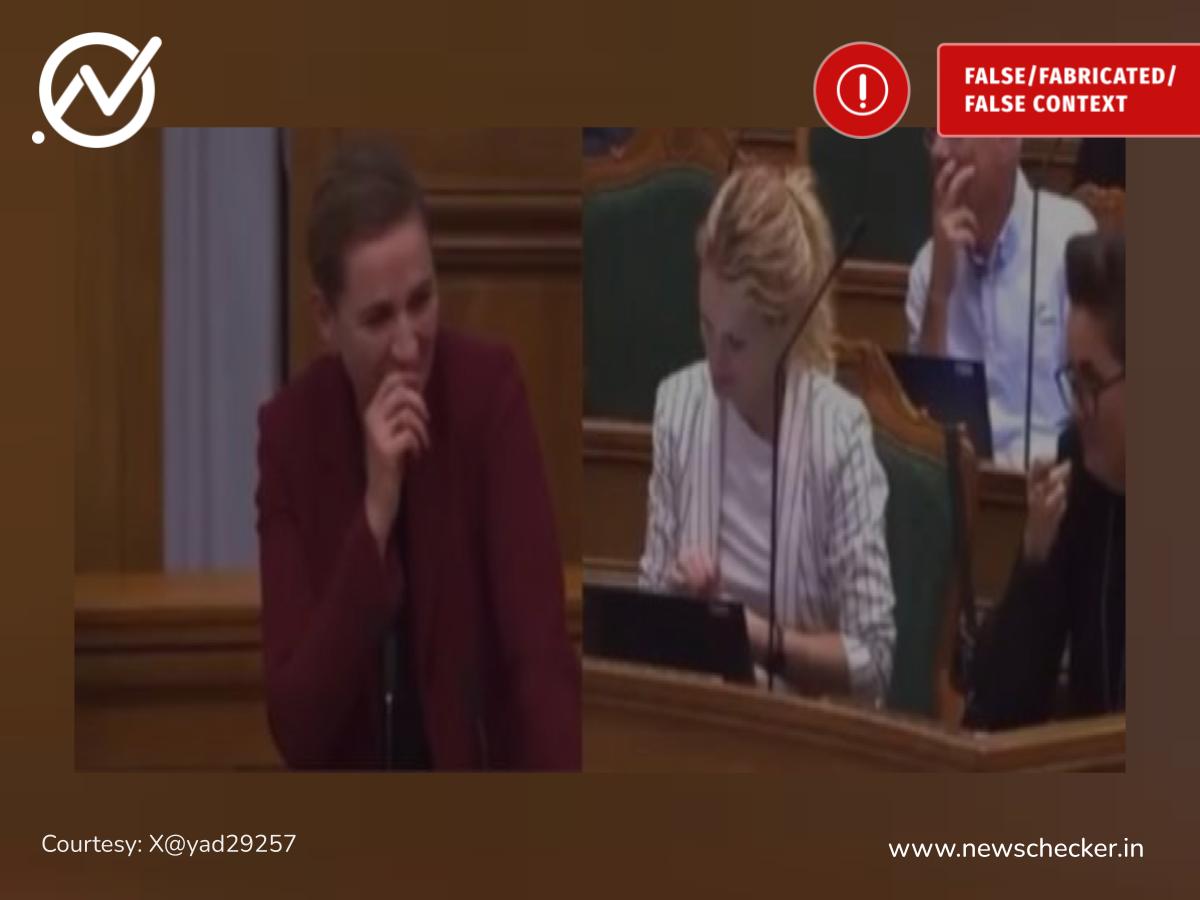
A video circulating widely on social media purportedly showing Danish lawmakers laughing at former U.S. President Donald Trump’s demand for a Nobel Peace Prize has been debunked as misleading. The footage, which shows Danish Prime Minister Mette Frederiksen and parliament members erupting in laughter during a session, has no connection to Trump or any Nobel Prize discussions.
Fact-checking reveals the video actually dates back to October 3, 2019, during a routine parliamentary session in Denmark. The laughter captured in the footage occurred when Prime Minister Frederiksen struggled to maintain composure while discussing the Danish government’s purchase of circus elephants intended for retirement.
According to Danish broadcaster DR.dk, which originally shared the video on October 4, 2019, the moment happened during the opening debate of the Folketing (Danish parliament). Frederiksen was explaining how the state had purchased several elephants from a circus after Denmark enacted legislation making it illegal for circuses to keep elephants.
“The prime minister simply couldn’t keep a straight face while telling colleagues about the state unexpectedly acquiring a camel alongside the four elephants it had planned to purchase,” explained a Danish-speaking correspondent who analyzed the footage for AFP in their fact-check of the same video.
Multiple news organizations, including NBC News World and Euronews, published the video in October 2019 with the correct context, clearly identifying it as a lighthearted moment regarding the circus animal retirement program.
The misleading repurposing of this footage comes amid renewed attention to Trump’s past interest in Greenland, a semi-autonomous Danish territory. In 2019, Trump had expressed interest in the United States purchasing Greenland, an idea that Danish officials dismissed as “absurd” at the time. The former president has reportedly continued to mention the idea in recent statements, rekindling discussion about U.S.-Danish relations.
The viral mischaracterization of the video represents a common pattern in modern misinformation, where authentic footage is taken out of context and repurposed to support current narratives. This practice is particularly prevalent during politically charged moments and election cycles, when emotionally resonant content tends to spread rapidly across social platforms.
Social media platforms have struggled to contain such misinformation, especially when it involves authentic video content that has simply been mislabeled rather than manipulated. This type of misinformation can be particularly convincing because the footage itself is genuine, even if the context provided is not.
The incident highlights the importance of verifying the original source and context of viral content before sharing or accepting claims about what it depicts. Basic verification techniques, such as reverse image searches and checking publication dates, can often reveal when older content is being recycled with new and misleading framing.
As political tensions continue to rise globally, media literacy experts advise increased vigilance when consuming content that appears to show political figures in particularly embarrassing or inflammatory situations, as these moments are frequently targeted for manipulation or misrepresentation.
The Danish parliament video represents just one example of how genuine moments can be repurposed years later to create false narratives that align with current political discussions, in this case attempting to suggest international ridicule of a former president’s aspirations.
Fact Checker
Verify the accuracy of this article using The Disinformation Commission analysis and real-time sources.

8 Comments
Interesting to see this video misinterpreted. It’s good to have the facts clarified – the laughter was just over the purchase of retiring circus elephants, not related to any Nobel Prize claims. Always important to verify viral content before spreading it further.
This is a good example of the importance of fact-checking viral content. It’s all too easy for videos and claims to take on a life of their own online, divorced from their original context. Kudos to the journalists for taking the time to investigate and provide the correct information.
The clarification on this video is a useful lesson. It’s a prime example of how easy it is for context to get lost online, leading to the spread of misinformation. I appreciate the diligence in getting to the bottom of this and setting the record straight.
Glad to see the real story behind this viral video coming to light. It highlights the importance of verifying information, especially when it aligns with certain political narratives. Fact-checking is essential to prevent the proliferation of false claims.
This is a good reminder to be cautious about viral videos and claims online. It’s easy for context to get lost or distorted. Kudos to the fact-checkers for getting to the bottom of this particular incident.
This is a good example of why we should be wary of jumping to conclusions about the meaning of a video or audio clip, especially when it seems to confirm a particular viewpoint. Kudos to the journalists for taking the time to investigate the context and set the record straight.
Interesting to see how quickly this video went viral with an incorrect interpretation. It’s a good reminder that we should always try to verify the facts behind viral content before sharing or commenting on it. Maintaining objectivity is crucial in an age of rapid information sharing.
I appreciate the diligence in correcting the record on this misleading video. It’s a valuable lesson in how misinformation can spread quickly on social media. Maintaining transparency around the true origins and meaning of content is crucial.