


Listen to the article
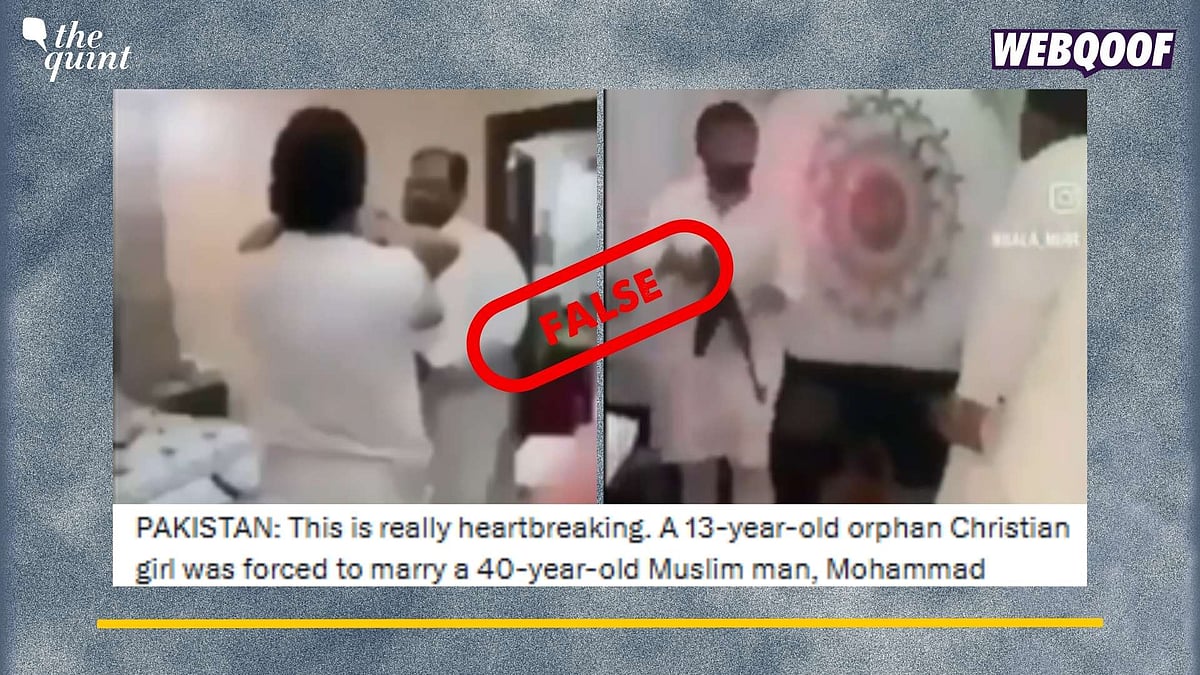
In a troubling incident that has resurfaced on social media, a video purportedly showing a 13-year-old Christian girl being forced to marry a 40-year-old Muslim man in Pakistan has garnered significant attention online, accumulating over 842,000 views. However, fact-checking reveals the video has been misrepresented and taken out of context.
The footage, which dates back to 2023, actually documents a marital dispute between a couple in Lahore, Pakistan, rather than a forced interfaith child marriage as claimed in viral posts. The misleading narrative appears to exploit religious tensions in a country where interfaith relations remain sensitive.
Pakistan has long struggled with the issue of child marriage, despite laws prohibiting the practice. According to UNICEF data, approximately 18 percent of girls in Pakistan are married before they turn 18, with the rate even higher in rural areas. Child marriage disproportionately affects girls from religious minority communities and those living in poverty.
The misleading characterization of the video highlights the dangerous speed at which misinformation can spread on social media platforms. In Pakistan’s complex social landscape, where religious minorities, particularly Christians who make up about 1.6 percent of the population, often face discrimination, such false narratives can potentially incite community tensions and even violence.
Human rights organizations operating in Pakistan, including the Human Rights Commission of Pakistan (HRCP), have documented cases of forced marriages and conversions affecting minority communities. However, verifying individual cases remains challenging due to conflicting accounts and the complex intersection of religious identity, gender, and socioeconomic factors.
“Content that falsely depicts religious minorities as victims or perpetrators can trigger real-world consequences,” noted one digital rights activist who requested anonymity due to the sensitive nature of the topic. “Social media users should exercise caution before sharing emotionally charged content, especially when it involves children or religious identities.”
The circulation of this misleading video comes amid broader concerns about content moderation on social media platforms. Despite efforts to curb misinformation, emotionally charged and potentially divisive content often goes viral before fact-checkers can intervene.
Pakistan’s digital rights advocates have called for more robust content verification mechanisms, especially for posts that could potentially stoke sectarian tensions. However, they also acknowledge the challenge of balancing free expression with the need to prevent harmful misinformation.
Legal experts point out that Pakistan has laws against both child marriage and the spread of false information that could incite religious hatred. The Child Marriage Restraint Act sets the minimum age for marriage at 16 for girls and 18 for boys in most provinces, though rights groups argue this still falls short of international standards recommending 18 as the minimum age regardless of gender.
Meanwhile, Pakistan’s cybercrime laws contain provisions against spreading false information online, though critics argue these laws are sometimes misused to suppress legitimate speech rather than targeting genuine misinformation.
The incident underscores the importance of media literacy and critical thinking when consuming content online. Digital rights organizations in Pakistan have been conducting awareness campaigns to help citizens identify potential misinformation, particularly around sensitive topics like religion, gender, and politics.
As social media continues to serve as a primary news source for many, the challenge of combating misinformation remains significant. This case serves as a reminder of how easily misleading narratives can gain traction online, and the responsibility that falls on both platforms and users to verify information before sharing it further.
While the video in question has been debunked, it draws attention to the very real issues of child marriage and religious discrimination that continue to affect communities across Pakistan, highlighting the need for ongoing advocacy and education to address these complex social challenges.
Fact Checker
Verify the accuracy of this article using The Disinformation Commission analysis and real-time sources.

18 Comments
It’s good that the facts have been checked and the video misrepresentation corrected. However, the broader issue of child marriage, especially affecting religious minorities in Pakistan, remains a serious concern that deserves sustained attention and action.
I agree, fact-checking is crucial, but the real work is in tackling the systemic challenges that enable practices like child marriage to persist. This case highlights the need for comprehensive solutions.
Fact-checking is crucial, but the broader context of child marriage and religious tensions in Pakistan cannot be ignored. This case highlights the need for a nuanced, evidence-based approach to addressing these complex social challenges.
Well said. Rushing to judgment based on limited information can do more harm than good. A balanced, informed perspective is essential for making meaningful progress on these sensitive issues.
It’s good that the misinformation around this video has been corrected. However, the problem of child marriage, especially among religious minorities in Pakistan, remains a pressing issue that requires sustained attention and action from policymakers and civil society.
Absolutely. Tackling the root causes and systemic drivers of these practices, rather than just reacting to individual cases, is key to driving lasting change and protecting vulnerable communities.
While this specific video has been debunked, the underlying problem of forced child marriages in Pakistan is very real. It’s important to continue raising awareness and pushing for stronger legal protections and enforcement to safeguard vulnerable communities.
Absolutely. Misinformation can distract from the actual issues, but addressing the root causes through policy, education, and community-based initiatives is key to driving lasting change.
Debunking misinformation is a important step, but the real work lies in addressing the systemic drivers of child marriage in Pakistan, especially among religious minority communities. This case highlights the need for sustained, multi-faceted efforts to protect vulnerable groups and uphold human rights.
Absolutely. Addressing the root causes, rather than reacting to individual cases, is key to driving lasting change and creating a more equitable society.
While child marriage remains a major challenge in Pakistan, this video appears to have been taken out of context. It’s important to rely on credible sources and fact-checking to understand the real issues at hand.
Absolutely, jumping to conclusions based on limited information can do more harm than good. Careful analysis is needed to tackle sensitive social issues like this.
Debunking misinformation is important, but the underlying issues of child marriage and religious tensions in Pakistan are still very real. This case highlights the need for continued efforts to protect vulnerable communities and uphold human rights.
Well said. Addressing the root causes of these problems, rather than spreading unverified claims, is the path forward to drive meaningful change.
This is a concerning case, but it’s good the facts have been verified. Forced child marriages are a serious issue, especially for religious minorities in Pakistan. Spreading misinformation can distort the real problems and make progress more difficult.
You’re right, verifying the facts is crucial to addressing these complex social problems effectively. Sensationalism and false narratives often obscure the nuances.
While this specific video may have been misrepresented, the broader challenge of child marriage in Pakistan, particularly affecting religious minorities, is very real. Fact-checking is important, but we must also focus on comprehensive solutions to address the underlying social, economic, and legal factors enabling these practices.
Well said. Leveraging a balanced, evidence-based approach that considers the nuances of the situation is crucial for making meaningful progress on this complex issue.