


Listen to the article
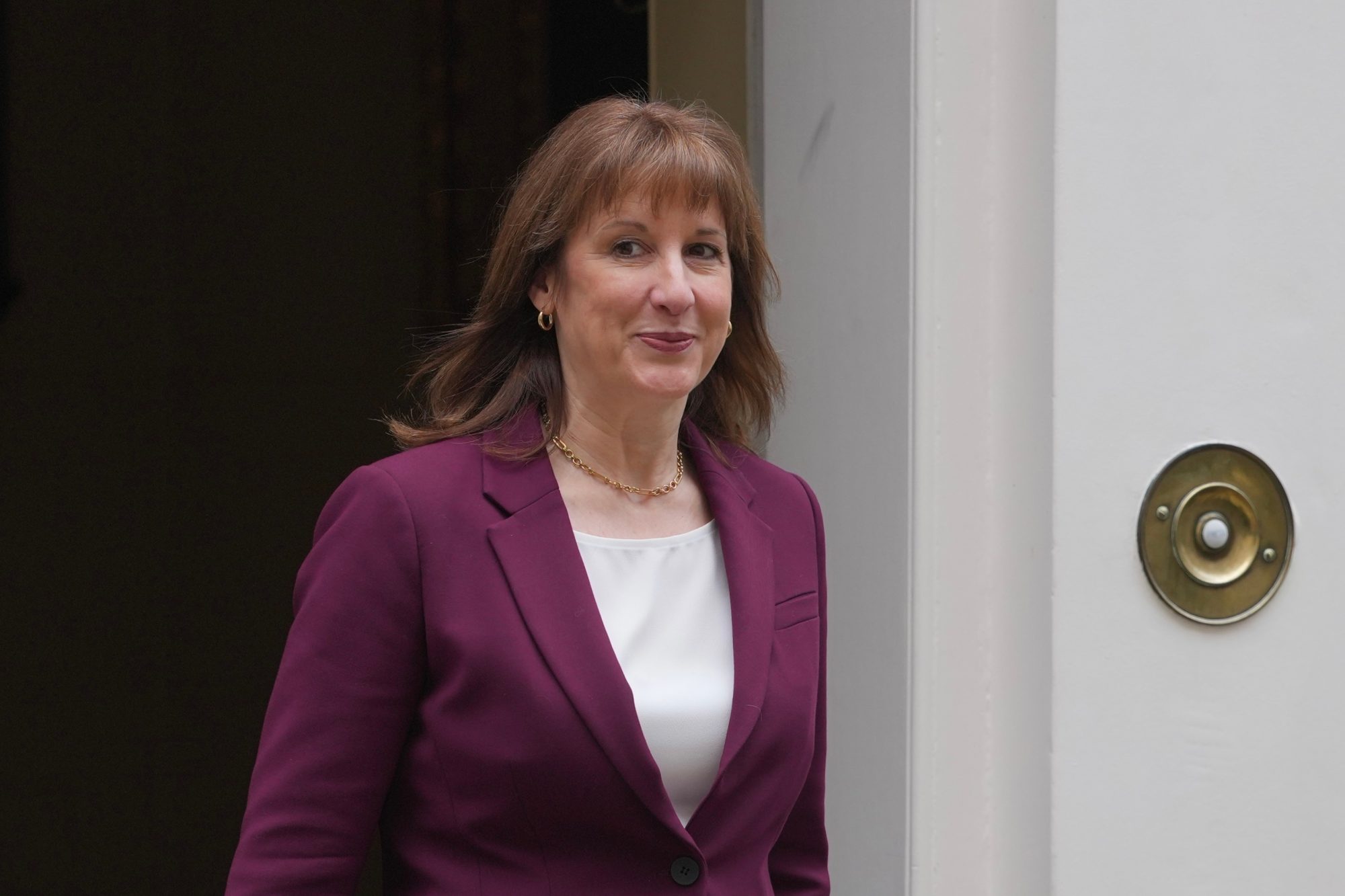
Chancellor Rachel Reeves’ claim that households will be £1,000 better off by the end of parliament has sparked debate among economic experts, with some challenging the accuracy of this projection.
During her spring statement this week, Reeves told the Commons that “by the next election, after accounting for inflation, people are forecast to be £1,000 a year better off per year.” This assertion is based on Office for National Statistics’ real household disposable income (RHDI) figures per person – essentially measuring money remaining after taxes and adjusted for inflation.
The Treasury calculated this figure using Office for Budget Responsibility (OBR) forecasts, subtracting the projected RHDI per capita in 2024 (£25,600) from the anticipated 2029 figure (£26,685), arriving at a difference of £1,085.
The Institute for Financial Studies (IFS), an independent economic think tank, has supported the government’s calculation. According to the IFS, their own approximation of the government’s methodology does indeed yield “around £1,000 higher annual income by the end” of the parliamentary term.
However, the Joseph Rowntree Foundation (JRF), a charity focused on poverty reduction, has challenged these projections with its own analysis. The JRF’s new modeling suggests a markedly different outcome, forecasting that average annual household disposable incomes will grow by just £40 over the course of the current parliament (April 2024 to April 2029), after adjusting for inflation.
The Foundation explained that its figures differ substantially from Reeves’ £1,000 increase because they are calculated on a household basis rather than per capita and “take into account actual housing costs,” which they argue provides a more accurate reflection of household finances.
The JRF’s methodology employs the most recent OBR forecasts on key economic indicators, including Consumer Price Index inflation and average weekly earnings. These are then processed through the Institute for Public Policy Research (IPPR) Tax Benefit Model, utilizing the Family Resources Survey to project household incomes for each of the next five years.
It’s important to note that these projections come with significant caveats. The latest OBR forecasts don’t account for the ongoing conflict in the Middle East or its potential economic impact. Should this conflict persist, the JRF’s projections for disposable income could change considerably.
Chris Belfield, Chief Economist at the Joseph Rowntree Foundation, emphasized the need for comprehensive policy responses: “The government needs to focus on driving up living standards so families can feel the change day to day. This needs action across all aspects of government to bring down people’s costs and boost their incomes.”
Defending the chancellor’s claim, a Treasury spokesperson told FactCheck: “Households are set to be £1,000 a year better off as inflation falls and living standards rise.” They added that the government has “the right economic plan, cutting the cost of living, cutting debt and growing the economy,” citing measures such as £150 off energy bills, minimum wage increases, expanded free childcare, elimination of the two-child limit, and mortgage rate reductions.
The disparity between the government’s optimistic projection and the JRF’s more modest forecast highlights the complexity of economic predictions and the impact of methodological differences in calculating household finances. While the chancellor’s figure may technically stand when viewed solely through the lens of disposable income per capita, the inclusion of housing costs and potential external economic shocks could significantly reduce the actual improvement in living standards experienced by British households.
As the parliamentary term progresses, these competing projections will likely be tested against the lived reality of British families navigating the post-pandemic economic landscape.
Fact Checker
Verify the accuracy of this article using The Disinformation Commission analysis and real-time sources.

6 Comments
Interesting claim by the Chancellor. While £1,000 extra per household sounds significant, I’d like to see more details on the assumptions and methodology behind the projection. Economic forecasts can be tricky, so I’ll withhold judgment until the analysis is scrutinized further.
Good point. Rigorous independent review of the government’s calculations will be important to assess the credibility of this claim.
As someone interested in mining and commodities, I wonder how factors like rising energy and material costs could affect household disposable incomes over the next few years. The Chancellor’s claim seems optimistic, but I’ll keep an open mind as more analysis emerges.
Good point about the potential impacts of global supply chain issues and inflation on household finances. Those macro factors could certainly complicate the government’s forecasting.
The IFS supporting the government’s math is reassuring, but the JRF raising concerns about potential impacts on low-income families is also noteworthy. I’ll be curious to see how this plays out as we get closer to the next election.
Agreed, the differing perspectives from respected economic think tanks highlight the complexity of these projections. It will be important to understand the nuances and potential distributional effects.