


Listen to the article
Iowa’s Governor blames Cedar Rapids schools’ budget crisis on misuse of COVID funds, as the district faces possible closures due to an $11 million deficit.
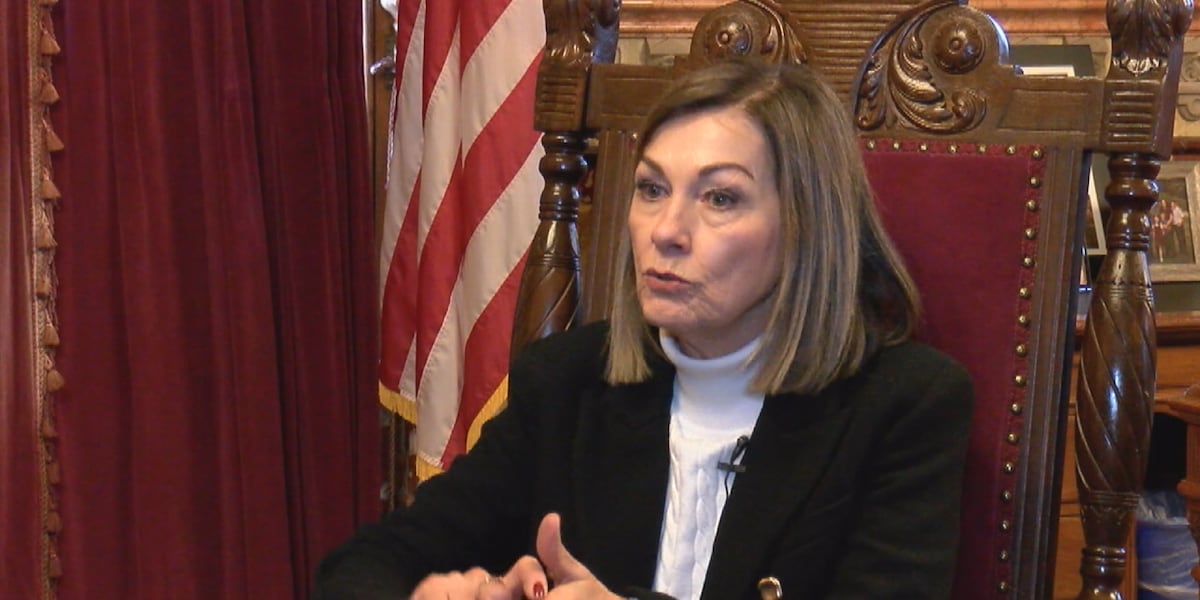
Governor Kim Reynolds has pointed to the Cedar Rapids School District’s use of one-time COVID-19 relief funding as a primary factor in its current budget crisis, which could result in the closure of up to seven schools. The district is scheduled to vote Monday on a series of budget cuts, though decisions on school closures have been temporarily delayed.
“If you look at Cedar Rapids for example, first of all, I would look at the budget and see if they used any one-time funding for ongoing expenses,” Reynolds said. “That’s been consistent in a lot of the schools that are now facing shortfalls is they took COVID dollars and hired more teachers and that was one-time money, it wasn’t ongoing.”
The Cedar Rapids School District received approximately $50 million in Elementary and Secondary School Emergency Relief (ESSER) funds during the pandemic. According to information on the district’s website, these federal dollars were allocated to various initiatives including expanded summer school programs, extended early childhood programming, and the creation of magnet schools.
However, the district’s Chief Financial Officer Karla Hogan recently acknowledged that the expiration of ESSER funding has compounded existing financial challenges. “The combination of ESSER funding and declining enrollment has created a challenging financial landscape for school districts across the U.S., many in Iowa, making it increasingly difficult to balance budgets effectively,” Hogan stated.
In a more direct admission to The Gazette last month, Hogan confirmed that the district had indeed used the temporary federal funding for permanent expenses. “We weren’t prioritizing where we were spending our money. We were using ESSER primarily to cover our operational costs and our everyday expenses,” she told the newspaper.
This financial strategy has placed the district in a precarious position. As enrollment numbers continue to decline—a trend accelerated by the state’s expansion of school choice options including charter schools and Education Savings Accounts for private school tuition—the district finds itself with an $11 million budget shortfall and fewer options to address it.
The situation in Cedar Rapids mirrors a national pattern seen in many school districts that used pandemic relief funds to patch budget holes rather than for one-time investments or temporary programs that could be discontinued when the funding expired. Education finance experts have warned that this “fiscal cliff” would eventually arrive as federal support ended, requiring difficult budgetary decisions.
The Cedar Rapids School District has primarily attributed its financial woes to rapidly declining enrollment, particularly in the wake of Iowa’s expanded school choice initiatives. These programs, championed by Governor Reynolds, have created additional competition for public schools by providing families with alternatives like charter schools and private school vouchers.
However, the governor’s assertion that the misuse of one-time funding for ongoing expenses contributed significantly to the district’s current predicament appears accurate based on the district’s own admissions.
The scenario playing out in Cedar Rapids highlights the complex financial challenges facing public education systems nationwide as they navigate the post-pandemic landscape. Districts must contend with both the end of unprecedented federal support and evolving educational marketplaces that increasingly emphasize parental choice and alternative schooling options.
As the Cedar Rapids School District prepares to make difficult decisions about its future, the situation serves as a cautionary tale about fiscal planning and the dangers of using temporary funding streams for permanent expenditures in public education.
Fact Checker
Verify the accuracy of this article using The Disinformation Commission analysis and real-time sources.

7 Comments
It’s concerning to hear that the Cedar Rapids School District used one-time COVID relief funds for ongoing operational expenses. Careful allocation of these funds is critical to ensure they have a lasting impact on students and the community.
While it’s understandable the district wanted to expand critical programs like summer school and early childhood education, relying on one-time federal funding for ongoing expenses seems risky. Careful long-term planning is needed to ensure the district’s financial stability.
I’m curious to know more about how the district utilized the ESSER funds and if there were any oversight mechanisms in place to ensure the money was spent responsibly. Transparency around these decisions is important.
Agreed. With the financial constraints many school districts are facing, it’s crucial that COVID relief funds are used strategically and not to plug budget gaps. Hopefully the district can find a sustainable solution to address the $11 million deficit.
This is a complex issue with no easy answers. On one hand, the district was trying to support students and families during a difficult time. But on the other, using temporary funds for permanent costs could exacerbate the budget crisis. I hope they can find a balanced approach.
Efficient use of COVID relief funds is crucial for school districts nationwide. While the specifics of Cedar Rapids’ situation are still unclear, it serves as a cautionary tale about the importance of fiscal responsibility and long-term sustainability when allocating these resources.
Well said. School districts must carefully weigh the short-term needs against the long-term financial implications. Transparency and accountability around these funding decisions will be key to ensuring the best outcomes for students and the community.