


Listen to the article
CDC’s Controversial Overhaul of Childhood Vaccine Recommendations Raises Concerns
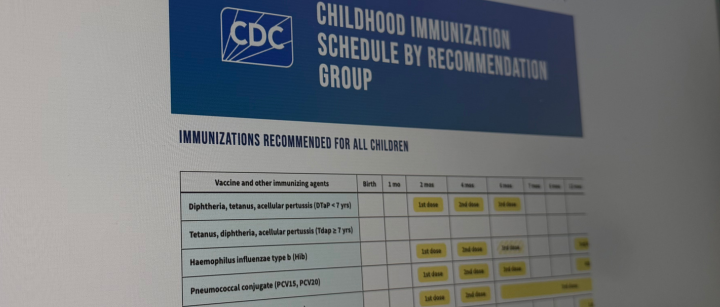
The Centers for Disease Control and Prevention has drastically reduced its universal childhood vaccination recommendations, eliminating routine shots against six diseases in what experts describe as an unprecedented departure from established scientific processes.
Under the direction of CDC Acting Director Jim O’Neill, the agency no longer universally recommends vaccines for rotavirus, hepatitis A, meningococcal disease and influenza. This follows earlier decisions to end universal recommendations for hepatitis B and COVID-19 vaccination, reducing the number of routinely recommended childhood vaccines from 17 to 11 diseases.
The changes were implemented through a January 5 memo that bypassed the CDC’s Advisory Committee on Immunization Practices (ACIP), which typically conducts thorough, evidence-based reviews over months before modifying vaccination guidelines.
“You basically have a group of federal appointees going behind closed doors and making recommendations about a vaccine — without any input from the public, without any input from experts in the field — and just making up their own schedule,” said Dr. Paul Offit, a pediatrician and vaccine expert at Children’s Hospital of Philadelphia.
The decision follows President Trump’s December 5 request that O’Neill and Health and Human Services Secretary Robert F. Kennedy Jr. review vaccine schedules of “peer, developed countries” and consider “aligning” U.S. recommendations with them. However, the resulting policy now recommends fewer universal vaccinations than nearly all comparable nations, except Denmark.
Rather than relying on ACIP’s established process, HHS officials based their decision on a 33-page assessment prepared by two political appointees: Dr. Tracy Beth Høeg, a sports medicine specialist now serving as acting director of the FDA’s drugs division, and Martin Kulldorff, a biostatistician and epidemiologist.
The vaccines removed from universal recommendations have been placed under “shared clinical decision-making,” meaning patients may still receive them after discussing options with healthcare providers. For now, insurance coverage of these vaccines should remain unchanged, according to analysis by KFF, a nonpartisan health policy organization.
When asked about bypassing normal procedures, HHS Press Secretary Emily G. Hilliard said, “The updated CDC childhood immunization schedule reflects the results of that thorough review and preserves access and insurance coverage to all vaccines currently available to American children and adolescents.”
Public health experts have raised significant concerns about each vaccine’s removal from universal recommendations.
For rotavirus, which causes severe gastrointestinal illness, officials downplayed the virus’s impact despite evidence that rotavirus vaccines prevent 55,000-70,000 annual hospitalizations. Prior to vaccination, an estimated 20-60 children died yearly from the disease, according to CDC researchers.
Regarding meningococcal disease, which can cause fatal meningitis and sepsis, officials cited low disease incidence as justification for removing the universal recommendation. However, experts note this low incidence is precisely what successful vaccination aims to achieve.
“Every parent should want to prevent this disease in their children,” said Dr. David S. Stephens, a bacterial meningitis expert at Emory University. Even with proper medical care, about 15% of meningococcal disease patients die and up to 20% suffer permanent effects including amputations and neurological disabilities.
The influenza vaccine recommendation change came despite evidence of its effectiveness in reducing pediatric hospitalizations. Officials dismissed observational studies showing vaccine benefits, focusing instead on the lack of randomized controlled trials measuring rare outcomes like hospitalization and death.
“The HHS Decision Memo ignores the fact that clinical trials are not powered to detect rare outcomes such as hospitalization and death,” explained Dr. Edward Belongia, a global expert on flu vaccine effectiveness formerly with the Marshfield Clinic Research Institute.
For hepatitis A, officials emphasized low incidence while making misleading claims about vaccine safety. Dr. Noele Nelson, formerly in leadership at CDC’s viral hepatitis division, explained that childhood vaccination prevents transmission to more vulnerable populations and provides lifetime immunity.
Public health experts warn that reducing vaccination rates could allow these diseases to resurge, particularly affecting vulnerable populations and potentially leading to increased hospitalizations and deaths in the coming years.
Fact Checker
Verify the accuracy of this article using The Disinformation Commission analysis and real-time sources.

21 Comments
The cost guidance is better than expected. If they deliver, the stock could rerate.
Good point. Watching costs and grades closely.
Interesting update on CDC Updates Child Vaccine Recommendations: What Parents Need to Know. Curious how the grades will trend next quarter.
Good point. Watching costs and grades closely.
Good point. Watching costs and grades closely.
Exploration results look promising, but permitting will be the key risk.
Good point. Watching costs and grades closely.
Good point. Watching costs and grades closely.
Silver leverage is strong here; beta cuts both ways though.
I like the balance sheet here—less leverage than peers.
Nice to see insider buying—usually a good signal in this space.
Production mix shifting toward Fact Check might help margins if metals stay firm.
Good point. Watching costs and grades closely.
Good point. Watching costs and grades closely.
Exploration results look promising, but permitting will be the key risk.
I like the balance sheet here—less leverage than peers.
Good point. Watching costs and grades closely.
Good point. Watching costs and grades closely.
Uranium names keep pushing higher—supply still tight into 2026.
Silver leverage is strong here; beta cuts both ways though.
Good point. Watching costs and grades closely.