


Listen to the article
Fact Check: Newsom’s Purported $12 Million Donation to Feed Hungry Children Revealed as Fiction
A viral social media claim asserting that California Governor Gavin Newsom donated $12 million of his personal funds to feed hungry children after being prompted by former President Barack Obama has been determined to be entirely fabricated.
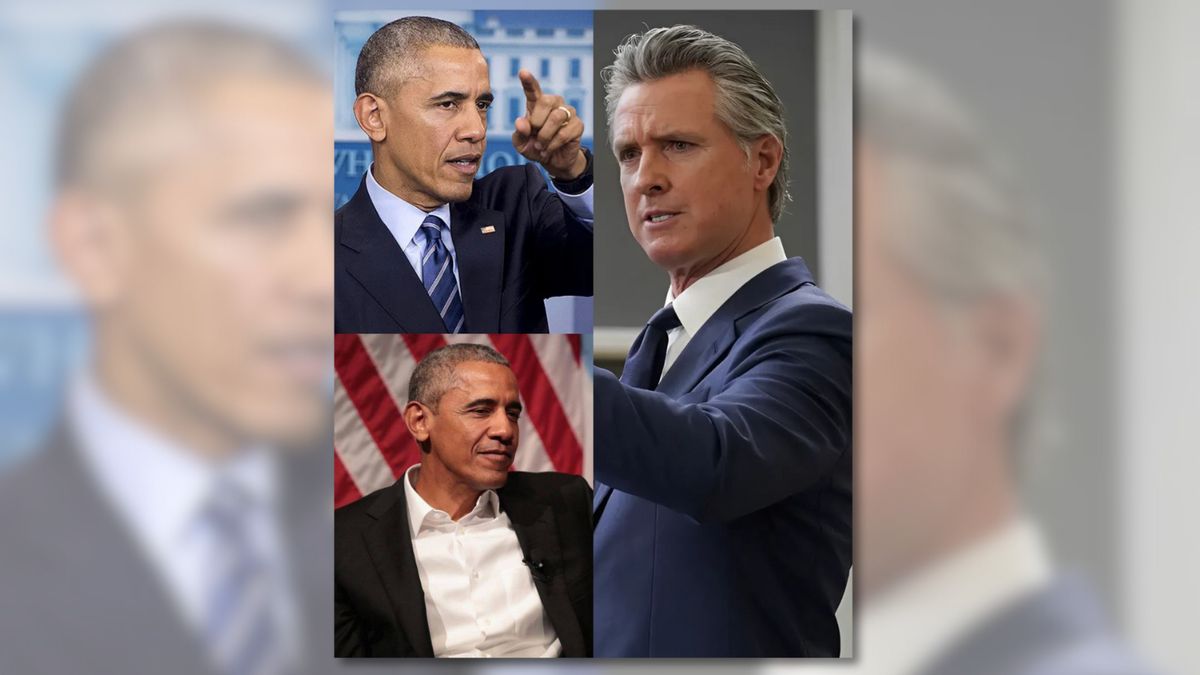
The false narrative began circulating on social media in early December 2025, primarily through identical posts shared across Facebook and other platforms. These posts typically featured photos of both Newsom and Obama, beginning with an emotional anecdote: “Six hours. That’s all it took…. Late Thursday night, Barack Obama posted four quiet lines: Too many kids are going to sleep hungry tonight. If you’re able, help fix it. No link. No fanfare. Just a plea from a man who still feels every empty stomach like it’s his own.”
The story further claimed that Newsom had been so moved by Obama’s supposed post that he immediately contributed a substantial sum from his personal fortune to an organization called the “American Community Relief Initiative,” allegedly making the donation at “a nondescript community center on the south side of South Bend,” Indiana.
Multiple elements of this narrative quickly unraveled under scrutiny. A thorough examination of Obama’s social media accounts revealed no such post about hungry children. Additionally, the “American Community Relief Initiative” cited in the posts does not exist as a registered charitable organization in the United States.
Perhaps most tellingly, the story placed Governor Newsom in South Bend, Indiana—a location with which he has no known personal or political connections. This geographical detail provided an important clue to the origin of the fabrication. The same narrative had previously circulated with former South Bend Mayor and Transportation Secretary Pete Buttigieg in the protagonist role instead of Newsom.
Digital forensics indicated that the Buttigieg version of the story appeared online earlier than the Newsom version, suggesting that someone simply substituted Newsom’s name in an already fictional narrative. This pattern of recycling fabricated content by simply changing names of prominent figures is a common tactic employed by creators of viral misinformation.
The absence of any reporting on Newsom’s purported $12 million donation from legitimate news organizations further confirmed the story’s fictional nature. Such a significant charitable contribution from a high-profile political figure would have generated substantial media coverage across multiple outlets.
This fabricated story appears to be part of a broader pattern of fictional “inspirational” content circulating on social media. These posts typically feature well-known public figures performing extraordinary acts of generosity or kindness. The purpose behind such content often involves generating engagement and directing users to external websites laden with advertisements.
This isn’t the first time such tactics have been employed. Earlier in December 2025, fact-checkers debunked another false claim involving Buttigieg and Obama supposedly launching an initiative called “Project Unity.” These patterns suggest an organized effort to create and disseminate emotional but fictional political content.
Social media users should remain vigilant about claims featuring public figures making extraordinary donations or announcements that aren’t covered by established news sources. Checking the primary social media accounts of the individuals mentioned and verifying the existence of organizations referenced can help identify similar fabrications in the future.
Fact Checker
Verify the accuracy of this article using The Disinformation Commission analysis and real-time sources.

16 Comments
It’s troubling to see how quickly misinformation can spread on social media these days. I’m glad this claim was debunked, as it’s important we maintain trust in our public officials and their actions, especially around important social issues.
Absolutely. Fact-checking efforts like this help cut through the noise and ensure we have an accurate understanding of the facts. It’s a valuable service in an age where misinformation can spread so rapidly online.
This fact check is a good reminder of the importance of verifying claims, especially those that seem emotionally charged or politically motivated. It’s easy for misinformation to spread quickly on social media, so I’m glad to see a thorough debunking of this particular story.
I agree. Maintaining trust in our institutions and leaders is so important, and fact-checking efforts like this play a vital role in that. It’s reassuring to see a commitment to upholding journalistic integrity and separating fact from fiction.
While the donation claim may have been well-intentioned, it’s important that we rely on credible, verified information rather than unsubstantiated social media posts. Fact-checking helps ensure we have an accurate understanding of what’s happening.
Agreed. In an age of widespread misinformation, it’s critical that we take the time to properly evaluate claims before sharing or believing them. This fact check serves an important purpose in upholding journalistic integrity.
This is an interesting fact check regarding the purported $12 million donation by Gov. Newsom. It’s good to see the claim being debunked as fabricated, as we need to be vigilant about misinformation, especially around important social issues like child hunger.
Absolutely, verifying claims and separating fact from fiction is crucial. It’s disappointing to see such false narratives spread, but fact-checking efforts like this help maintain trust in our institutions and leaders.
It’s disappointing to see misinformation like this spreading, but I’m glad the Disinformation Commission took the time to thoroughly investigate and debunk the claim. Fact-checking is essential for maintaining trust in our public institutions.
Absolutely. In an age of rampant misinformation, it’s crucial that we rely on credible, verified sources of information. This fact check is a valuable contribution to ensuring we have an accurate understanding of the facts.
This is a good example of why we need to be cautious about claims we see on social media, even if they seem well-intentioned. Fact-checking is crucial to maintaining trust in our institutions and leaders. I appreciate the diligence in debunking this particular claim.
Agreed. Verifying information is so important, especially when it comes to high-profile figures and sensitive social issues. This fact check helps uphold journalistic integrity and gives us a more accurate picture of what’s really happening.
This fact check is a good example of the importance of critical thinking and fact-checking in the digital age. It’s easy for misinformation to spread quickly, so I’m glad to see the Disinformation Commission taking the time to thoroughly investigate and debunk this claim.
Absolutely. In an era where social media amplifies the spread of misinformation, fact-checking is more crucial than ever. This kind of diligent, evidence-based approach helps maintain trust in our institutions and leaders.
I appreciate the Disinformation Commission’s effort to debunk this fabricated claim. It’s important that we remain vigilant about verifying information, especially when it comes to high-profile public figures and sensitive social issues like child hunger. Fact-checking is crucial for upholding journalistic integrity.
Well said. Fact-checking initiatives like this one play a vital role in combating the spread of misinformation and ensuring we have an accurate understanding of the facts. It’s a valuable service that helps maintain trust in our institutions and leaders.