


Listen to the article
A significant slowdown in the fentanyl crisis has emerged in recent months, offering a glimmer of hope in what has been one of America’s most devastating public health emergencies. After years of rapidly rising overdose deaths, preliminary data from the Centers for Disease Control and Prevention shows the first substantial decline since the synthetic opioid became widespread in the U.S. drug supply.
Federal officials report that overdose deaths linked to synthetic opioids, primarily fentanyl, decreased by approximately 11% in the first half of 2023 compared to the same period in 2022. This marks a notable shift after fentanyl-related fatalities had increased by over 300% since 2016.
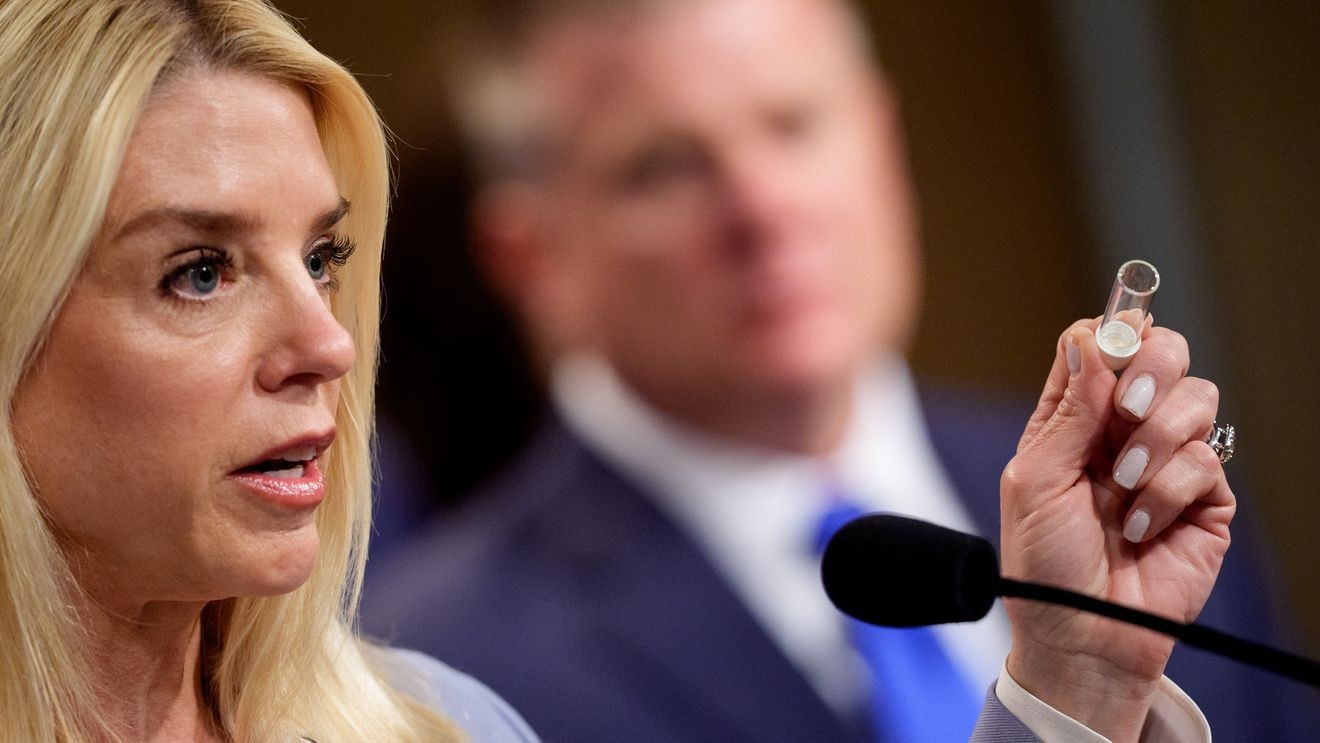
The slowdown can be attributed to several converging factors, according to public health experts and law enforcement officials. Heightened awareness about fentanyl’s dangers has played a crucial role. Extensive public education campaigns across schools, communities, and social media platforms have helped potential users understand that even tiny amounts of the synthetic opioid can be lethal.
“We’re seeing more informed decision-making, especially among younger people who might have experimented with pills without realizing they could contain fentanyl,” said Dr. Nora Volkow, Director of the National Institute on Drug Abuse. “Public awareness campaigns have helped create a genuine fear of the substance, which, in this case, is protective.”
Increased availability of naloxone, the life-saving overdose reversal medication, has also contributed significantly to the declining death rate. The FDA’s approval of Narcan as an over-the-counter medication in March 2023 marked a turning point, making the nasal spray version more accessible in pharmacies nationwide.
Community distribution efforts have placed naloxone in the hands of people who use drugs and their associates, creating a crucial safety net. Data from various states indicates that successful overdose reversals have increased by up to 40% in areas with robust naloxone distribution programs.
Law enforcement agencies have simultaneously intensified their efforts to disrupt fentanyl trafficking networks. The Drug Enforcement Administration reported seizing more than 79 million fentanyl pills and over 12,000 pounds of fentanyl powder in 2022 – more than double the amount confiscated in 2021.
“We’ve targeted major supply chains and worked closely with Mexican authorities to dismantle production facilities,” explained DEA Administrator Anne Milgram. “These efforts have created meaningful disruptions in the availability of fentanyl in numerous communities.”
Harm reduction strategies have gained traction as well. Fentanyl test strips, once criminalized as drug paraphernalia in many states, are now legally distributed in most jurisdictions. These simple tools allow users to determine whether their drugs contain fentanyl before consumption, potentially preventing accidental overdoses.
The expansion of treatment options has further contributed to the crisis slowdown. Medications for opioid use disorder, including buprenorphine and methadone, have become more widely available through telehealth services and relaxed prescribing regulations implemented during the COVID-19 pandemic.
Public health officials caution, however, that the fight is far from over. While the trend is encouraging, fentanyl remains the leading cause of overdose deaths in the United States. Regional disparities persist, with some states continuing to see increases even as national numbers decline.
“We’re seeing positive movement, but we can’t declare victory,” warned Dr. Rahul Gupta, Director of the Office of National Drug Control Policy. “Thousands of Americans are still dying every month from fentanyl. We need to build on what’s working and address emerging threats.”
Those emerging threats include the increasing presence of xylazine, an animal tranquilizer commonly known as “tranq,” which is being mixed with fentanyl in some regions. Unlike opioid overdoses, xylazine-involved overdoses don’t respond to naloxone, creating new challenges for first responders and healthcare providers.
Despite these ongoing concerns, the current slowdown offers valuable lessons about effective interventions. The multi-pronged approach—combining enforcement, treatment, harm reduction, and education—appears to be making a difference in what had seemed an intractable crisis.
As communities continue battling this epidemic, the recent data provides evidence that coordinated public health and safety strategies can produce measurable results, even against one of the most potent and deadly substances in American history.
Fact Checker
Verify the accuracy of this article using The Disinformation Commission analysis and real-time sources.

12 Comments
The slowdown in the fentanyl crisis is certainly a welcome development, though the challenge remains significant. Effective public awareness campaigns seem to be having an impact, which is encouraging. However, we must remain vigilant and continue addressing the root causes driving this epidemic.
Agreed. Sustained efforts on multiple fronts – education, enforcement, and treatment – will be crucial to build on this progress and save more lives.
The data on the decline in fentanyl-related overdose deaths is certainly intriguing. It suggests that increased awareness and targeted interventions may be starting to pay off. However, the battle is far from over, and we must remain committed to a long-term, multi-faceted approach.
Well said. Continued vigilance and a sustained, evidence-based response are crucial to build on this progress and truly turn the tide on the fentanyl crisis.
While the decline in fentanyl-related overdose deaths is an encouraging sign, the underlying crisis is far from over. Sustained efforts to disrupt the supply chain, increase public awareness, and expand access to treatment and harm reduction services will be crucial moving forward.
Absolutely. This is a complex, multifaceted issue that requires a coordinated, long-term strategy across various stakeholders. Maintaining momentum and adaptability will be key to building on this progress.
The reported slowdown in the fentanyl crisis is a positive development, but it’s important to keep the broader context in mind. Opioid addiction and overdoses remain a major public health challenge, and we must maintain a comprehensive, collaborative approach to address the root causes and save lives.
The reported slowdown in the fentanyl crisis is a welcome development, but it’s important to keep the broader context in mind. Opioid addiction and overdoses remain a major public health challenge, and we must maintain a comprehensive, collaborative approach to address the root causes.
It’s good to see some positive momentum in curbing the fentanyl crisis, but the underlying issues are deeply entrenched. Tackling the supply chain, raising awareness, and improving access to addiction treatment will all be vital going forward.
Absolutely. A multi-pronged, collaborative approach between public health, law enforcement, and the community is the best path forward to address this complex challenge.
The decline in fentanyl-related overdose deaths is an encouraging sign, but we must be cautious about drawing premature conclusions. Sustained efforts and continued vigilance will be crucial to consolidate and build upon this progress.
While the slowdown in the fentanyl crisis is a positive development, the underlying drivers of this epidemic remain deeply entrenched. Maintaining a comprehensive strategy focused on prevention, treatment, and harm reduction will be essential to sustaining this progress.