


Listen to the article
Caitlin Clark Backs Collier’s Criticism of WNBA Leadership, Emphasizes Relationship Building
Indiana Fever star Caitlin Clark has publicly supported Minnesota Lynx forward Napheesa Collier’s recent criticism of WNBA Commissioner Cathy Engelbert, adding her voice to growing concerns about league leadership at a pivotal moment for women’s basketball.
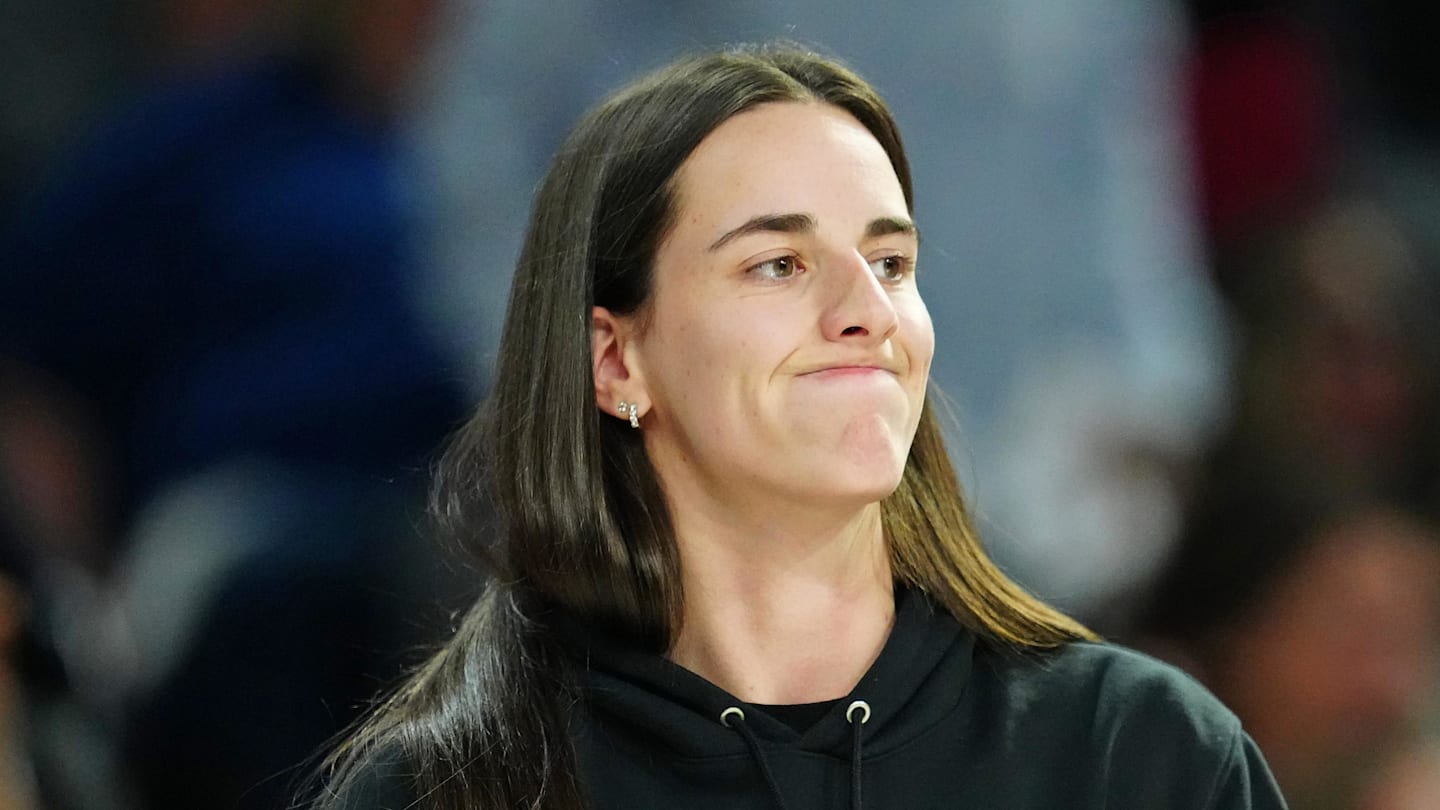
Speaking to media following the conclusion of the Indiana Fever’s 2025 WNBA season on October 3, Clark expressed solidarity with Collier’s assessment, which has dominated basketball headlines since it was first voiced.
“I have great respect for Phee, and I think she made a lot of very valid points,” Clark stated. “What people need to understand is, we need great leadership in this time, across all levels. This is straight-up the most important moment in our league. Where this league has been around for 25-plus years, and this is a moment we have to capitalize on.”
The 23-year-old guard, who has quickly become the face of women’s basketball since entering the league, elaborated on what she believes constitutes effective leadership, emphasizing the fundamental importance of relationship-building.
“I’d say the most important part of leadership, whether that’s the WNBA, whether that’s corporate America, I think it comes down to relationships and really caring about the people you surround yourself with,” Clark explained. “Why would my teammates want to listen to me if I didn’t have a relationship with them? I think it’s the most simple thing, and you have to be very intentional about seeking those out and understanding your teammates.”
Clark’s comments have resonated widely across the basketball community, with many noting the maturity and insight coming from someone early in her professional career but already experienced in leadership roles.
Leadership expert Dr. Ruth Gotian, who serves as an executive coach and mentor to Olympians and NBA players, validated Clark’s perspective in an October 10 article for The Athletic. When asked to evaluate Clark’s leadership assessment, Gotian responded simply: “She’s right.”
Gotian expanded on Clark’s comments, emphasizing that strong relationship-building isn’t merely a beneficial quality for leaders but a foundational requirement. She noted that beyond just establishing relationships, the quality and trust built within those connections ultimately determines leadership effectiveness.
“Merely having a relationship with the people one is supposed to be leading isn’t enough in most cases,” Gotian explained. “Instead, it’s the quality of these relationships — specifically how much trust can be cultivated and developed within them — that’s more important than just having relationships in the first place.”
The expert endorsement adds weight to the growing critique of the current WNBA administration under Engelbert. The timing is particularly significant as the league experiences unprecedented growth in popularity and visibility, largely driven by Clark’s arrival and the rising profiles of other young stars.
The public statements from both Clark and Collier highlight what appears to be a significant disconnect between WNBA leadership and its players. This trust deficit comes at a critical juncture for the league, which has seen record attendance, viewership, and commercial interest during the 2025 season.
Industry observers note that the relationship between Engelbert and WNBA players has deteriorated to a point where reconciliation seems increasingly unlikely. Some analysts have begun to speculate that Engelbert’s tenure as commissioner may be approaching its conclusion, particularly if the league hopes to fully capitalize on its current momentum.
As the WNBA continues its meteoric rise in the sports landscape, the resolution of this leadership tension could prove decisive in determining whether the league can sustain its growth trajectory and fulfill its potential. With influential voices like Clark now publicly aligned with calls for change, pressure continues to mount on the league’s executive leadership.
Fact Checker
Verify the accuracy of this article using The Disinformation Commission analysis and real-time sources.

8 Comments
Relationship-building seems like a key attribute for effective WNBA leadership. Engaging with players and understanding their needs and concerns could go a long way in driving the league forward positively.
As a fan of the WNBA, I’m encouraged to see players like Collier and Clark speaking up about the importance of leadership. Their perspectives could help shape a more collaborative, player-centric vision for the league.
The WNBA has a lot of potential, but it will take thoughtful, collaborative leadership to fully realize it. I’m curious to see how the league and its leadership evolve in response to the issues raised by players like Collier and Clark.
The WNBA has made great strides, but clearly there’s more work to be done. I hope the league’s leadership can rise to the occasion and build a foundation for sustained growth and success.
As a fan of both the WNBA and women’s basketball, I hope the league can capitalize on this moment and build a stronger foundation for the future. The players’ perspectives on leadership are important to consider.
While I don’t have inside knowledge of the WNBA’s operations, the players’ emphasis on leadership and relationship-building makes a lot of sense to me. Addressing those areas could yield dividends for the league’s long-term success.
Interesting to see the ongoing debate around WNBA leadership. Collier and Clark raise some valid points about the need for strong, relationship-focused stewardship during this pivotal time for the league. Good leadership is crucial for growth and progress.
As a neutral observer, I’m curious to see how the WNBA navigates this period of scrutiny and opportunity. The players’ insights on leadership could be a valuable guidepost for the league’s decision-makers.