


Listen to the article
The fake Epstein email claiming Trump called Black women “boogers” spreads online
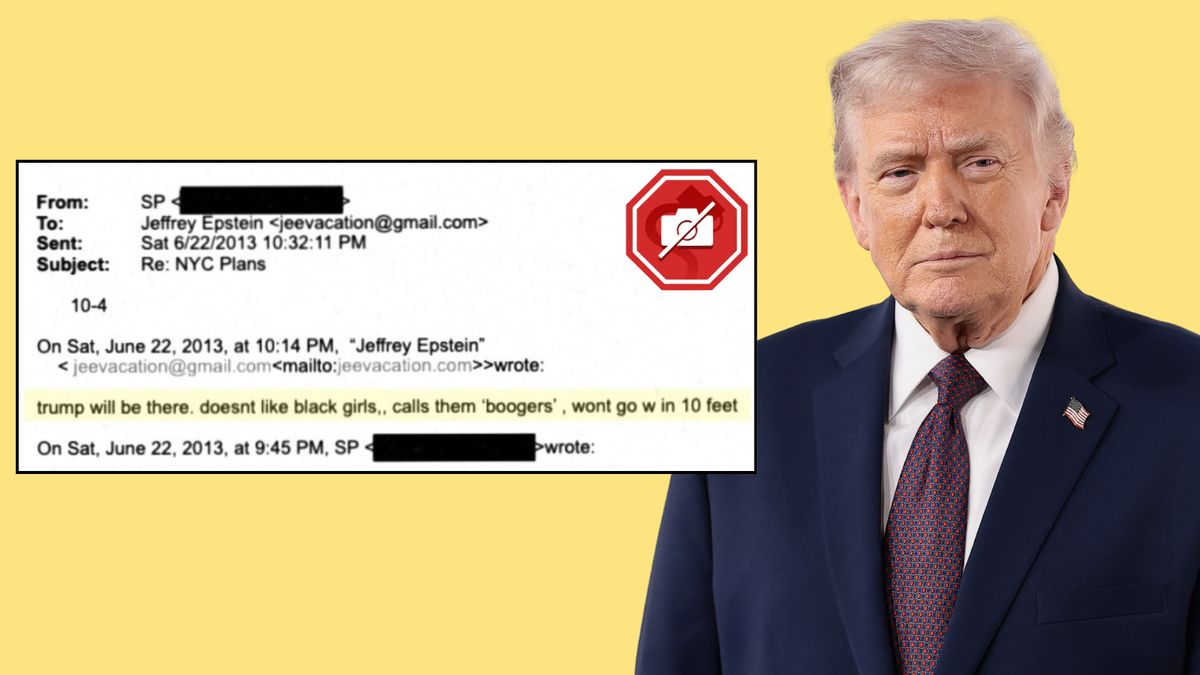
A screenshot purportedly showing emails from Jeffrey Epstein claiming that Donald Trump “doesn’t like black girls” and “calls them ‘boogers'” has been confirmed as fabricated, according to an investigation of recently released Department of Justice files.
The image, which began circulating in late January after the DOJ released more than 3 million files related to Epstein, appeared to show the disgraced financier writing to someone identified only as “SP.” In the alleged email, Epstein supposedly wrote: “trump will be there. doesnt like black girls,, calls them ‘boogers’, wont go w in 10 feet.”
Fact-checkers who examined the extensive Epstein file collection found no evidence that this email ever existed. Using a range of search terms including “Trump,” “boogers,” and “black girls,” investigators were unable to locate any correspondence matching the viral screenshot.
The fabricated image appears to have originated from a social media account on X (formerly Twitter) with the handle @AFPost, which has since deleted the post. The account has a documented history of sharing unverified claims, raising additional red flags about the screenshot’s authenticity.
While this specific claim is fabricated, the Epstein files do contain legitimate references to racial preferences in Epstein’s criminal activities. Some documents include testimony from unnamed victims and witnesses who stated that Epstein did not want “Black girls” or “girls with tattoos” for his illicit activities.
In one authenticated file, an FBI official recounted testimony from one of Epstein’s victims who said she had “screwed up” by bringing a Black girl to Epstein. According to this account, Epstein declined the massage but paid the standard $200 fee, allegedly stating that “he wasn’t a racist” despite his clear preference.
The relationship between Trump and Epstein has been extensively documented by major news outlets including The Associated Press. Trump’s name appears multiple times throughout the legitimate Epstein files, though no formal charges have been filed against the former president in relation to these mentions. Trump stated in 2019 that he hadn’t spoken to Epstein in 15 years.
Experts caution that the mere appearance of someone’s name in the Epstein documents does not necessarily imply wrongdoing, and that such allegations should be verified through official sources.
The DOJ has reportedly removed some files after initially uploading them to their Epstein document repository, but there is no credible evidence suggesting that this particular email was ever part of the official release.
This fabricated screenshot represents a growing challenge for journalists and the public alike, as the release of the Epstein files has sparked numerous unverified claims and manipulated content across social media platforms. Fact-checking organizations continue to monitor and investigate claims related to the Epstein documents as they emerge.
Fact Checker
Verify the accuracy of this article using The Disinformation Commission analysis and real-time sources.

8 Comments
While the alleged email is troubling, I’m glad the investigators were unable to find any evidence to support its authenticity. It’s a good reminder to be skeptical of unverified claims, especially those that seem designed to inflame tensions.
This highlights the importance of critical thinking and media literacy. We must be cautious about blindly accepting sensational claims, no matter the source. Fact-checking should be a priority before sharing or amplifying such information.
This is a sobering example of the need for robust fact-checking and media literacy. Unsubstantiated claims, even about prominent figures, can spread rapidly and have real consequences. We must strive for objective, evidence-based reporting.
While the alleged Epstein email is concerning, I’m glad the investigators were unable to find any evidence to corroborate it. Spreading unsubstantiated claims, even about public figures, can be irresponsible and harmful.
I agree. It’s important to rely on credible sources and verified information, especially when dealing with controversial or politically charged topics.
This fabricated email seems like another attempt to sow division and discredit Trump. We should be wary of unverified claims, especially those related to sensitive topics like race. Fact-checking is crucial to upholding the truth.
I appreciate the diligence of the fact-checkers in this case. Verifying the authenticity of digital evidence is crucial, especially when it involves high-profile individuals and sensitive issues like race. Maintaining objectivity is key.
The fabricated nature of this email is concerning, but not surprising. In today’s media landscape, we must be vigilant about fact-checking and separating truth from fiction, especially when it comes to politically charged narratives.