


Listen to the article
Misleading AI-Generated Images Falsely Depict Earthquake Damage in Philippines
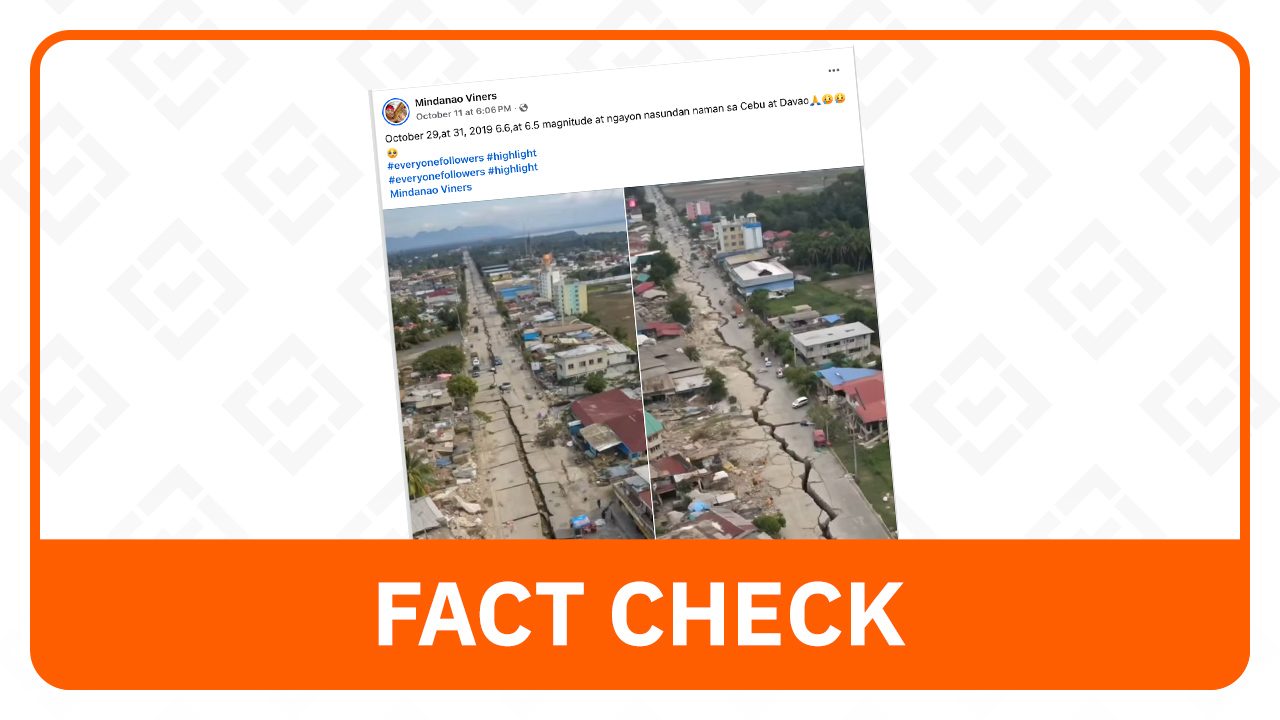
AI-generated images circulating on social media have falsely portrayed devastating damage from recent earthquakes in the Philippines, prompting concern and confusion among online users who believed the fabricated scenes were authentic.
The misleading post, shared by Facebook page “Mindanao Viners” which boasts 105,000 followers, featured aerial photographs supposedly showing collapsed buildings and massive road fractures. The viral content garnered substantial engagement—47,000 reactions, 4,400 comments, and 3,500 shares—as users expressed alarm over what they believed were scenes from recent seismic events in Cebu and Davao.
Analysis using Sightengine, an AI image detection tool, revealed the photographs were almost certainly artificial, flagging them as 99% likely to be AI-generated. The fabricated images show dramatic scenes of destruction that do not match verified reports from official sources.
The misleading post referenced earthquakes from October 2019, mentioning magnitude 6.6 and 6.5 events, while also alluding to the more recent tremors in Cebu and Davao. This mixing of historical and current events further confused viewers about what they were seeing.
According to the Philippine Institute of Volcanology and Seismology (PHIVOLCS), there were no earthquakes of the magnitudes claimed in the post recorded in Cebu and Davao during October 2019. However, PHIVOLCS did document a magnitude 6.6 earthquake in Cotabato on October 29, 2019, followed by a magnitude 6.5 tremor two days later.
The fabricated imagery emerged during a period of heightened seismic activity in the Philippines. On September 30, a magnitude 6.9 earthquake struck Bogo, Cebu, with its epicenter at a relatively shallow depth of 10 kilometers. This tectonic event has had significant human impact, with the National Disaster and Risk Reduction Management Council reporting at least 76 deaths and more than 1,300 injuries as of October 16. Multiple aftershocks continued to rattle the region in the days following.
Just over a week later, on October 10, a powerful magnitude 7.4 earthquake struck off the coast of Manay in Davao Oriental. Within the first hour alone, authorities recorded 179 aftershocks. Hours after this major event, a separate magnitude 6.8 earthquake occurred in nearby waters. The combined impact of these Davao region tremors resulted in at least eight reported deaths.
The Philippines sits along the seismically active Pacific “Ring of Fire,” making it particularly vulnerable to earthquakes and volcanic activity. This recent cluster of significant tremors—three large-magnitude earthquakes within an 11-day period—has raised questions among residents about potential connections between the events, though seismologists typically evaluate each earthquake individually.
The spread of AI-generated imagery purporting to show disaster aftermath represents an emerging challenge for emergency responders, news organizations, and the public. Such misleading content can complicate disaster response efforts by spreading inaccurate information about affected areas and potentially diverting attention and resources from genuine needs.
As digital tools for creating realistic but fabricated imagery become more accessible, viewers are encouraged to verify information through official channels such as government disaster agencies and reputable news sources before sharing dramatic disaster imagery on social media platforms.
Fact Checker
Verify the accuracy of this article using The Disinformation Commission analysis and real-time sources.

10 Comments
It’s troubling to see how easily misinformation can spread online, especially when it involves sensitive topics like natural disasters. We need stronger safeguards to identify and remove synthetic media.
The mixing of historical and current earthquake data is a concerning tactic to mislead the public. We must be wary of attempts to manipulate information, especially around sensitive events.
I hope the authorities take decisive action to hold the responsible parties accountable and prevent the further spread of this kind of AI-generated misinformation. Public safety should be the top priority.
Very concerning to see AI-generated images spreading misinformation about earthquake damage. We need to be vigilant about verifying the authenticity of visual content, especially during crisis events.
While AI can be a powerful tool, it’s alarming to see it used to spread false narratives about natural disasters. We must remain vigilant and rely on authoritative sources for accurate information.
Kudos to the fact-checkers for quickly identifying these fabricated images. Maintaining public trust during crises requires diligence in verifying the authenticity of visual content.
Fabricating disaster scenes is highly irresponsible. I hope the authorities investigate this and take action to prevent the spread of such misleading content in the future.
This is a prime example of the challenges we face in the age of synthetic media. Improving image authentication tools and digital literacy will be key to addressing the spread of misinformation.
Mixing information about past and present earthquakes is a concerning tactic to create a false sense of urgency. Fact-checking is crucial to combat the rise of AI-generated disinformation.
I’m curious to know more about the technology used to create these fake images. Understanding the capabilities and limitations of AI-generated content is important for developing effective countermeasures.