


Listen to the article
AI Data Centers Face Growing Community Resistance Across America
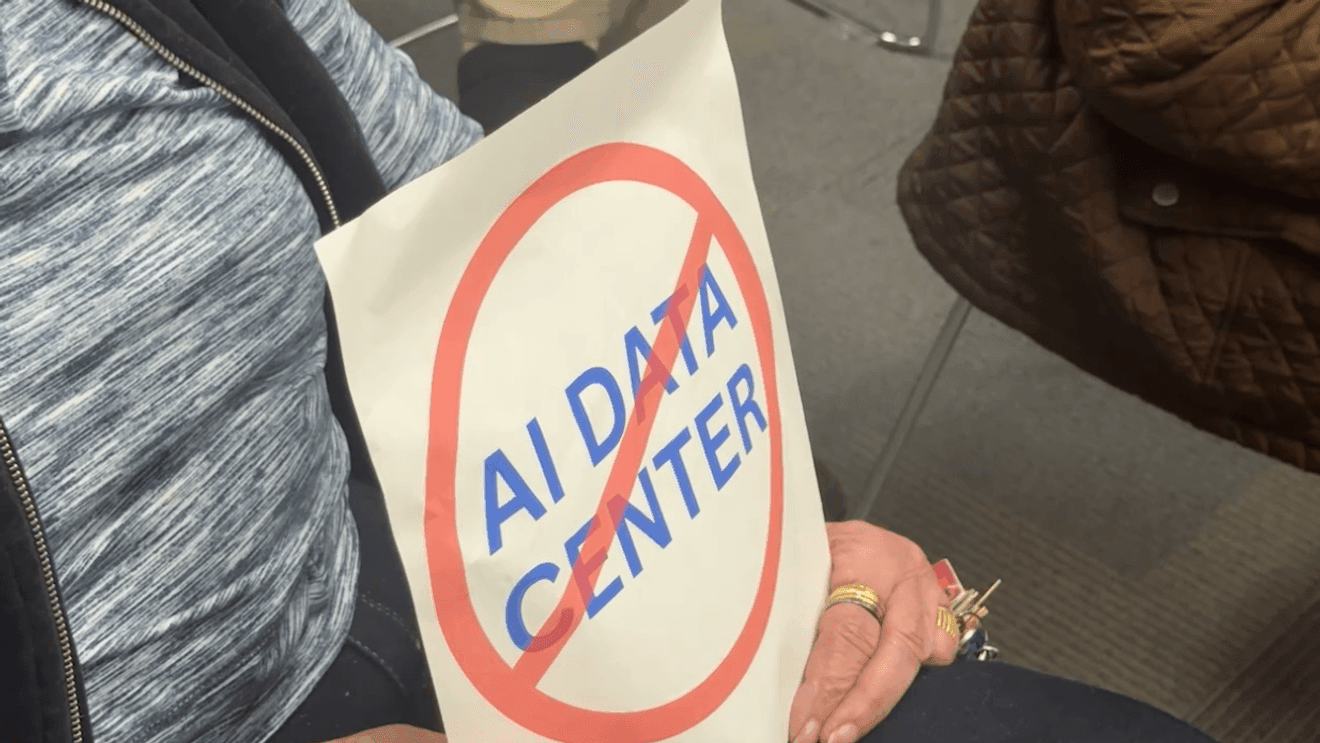
As artificial intelligence technology surges across the country, it’s not just chatbots and automation that are drawing attention. Communities are starting to push back against the massive data centers powering AI, citing concerns over utilities, noise, land use, and tax incentives.
While AI’s impact on jobs and misinformation often dominates headlines, the physical infrastructure behind the technology is triggering real, on-the-ground concerns in communities nationwide.
AI requires enormous data centers that consume vast amounts of electricity and water. Residents near these facilities are increasingly vocal about resource strain, with emerging evidence suggesting these centers are driving up utility costs for everyday Americans.
According to data from the U.S. Energy Information Administration and Axios, AI data centers are causing noticeable spikes in electricity costs across the United States. Maine has experienced the most dramatic impact with a 36% increase due to new data centers. Other significant jumps include New York (13%), Louisiana (14%), and Washington State (13%).
Energy usage maps show nearly all states experiencing some level of increase, with only Montana, North Dakota, Nevada and Iowa avoiding the trend. Several regions are seeing substantial cost spikes that appear as deep red zones on national energy maps.
These rising costs are fueling grassroots opposition in multiple states. In Wisconsin, residents successfully used a ballot measure to block a proposed AI facility. Independence, Missouri voters took more direct political action, ousting city council members who had supported a local data center project.
The backlash has sometimes turned intense. In Indianapolis, Indiana, a city councilor who backed a data center reportedly had shots fired through his window. Meanwhile, Boulder City, Nevada has seen residents actively organizing protests against a planned AI project.
“Communities are becoming more aware that these aren’t just harmless tech buildings,” said Dr. Elaine Hartman, an environmental policy researcher at Georgetown University. “They’re industrial facilities that can fundamentally alter a region’s infrastructure demands and quality of life.”
Beyond electricity consumption, water usage has become a flashpoint in drier regions. Modern data centers require millions of gallons of water daily for cooling systems. In areas already facing water scarcity, these requirements raise serious sustainability questions.
The noise generated by these facilities has also emerged as a significant concern. The constant hum of cooling equipment can exceed acceptable decibel levels for residential areas, affecting quality of life for nearby homes.
The growing resistance has reached federal attention. Senator Bernie Sanders and Representative Alexandria Ocasio-Cortez have introduced the AI Data Center Moratorium Act, which would temporarily pause new AI data centers.
“We cannot sit back and allow a handful of billionaire Big Tech oligarchs to make decisions that will reshape our economy, our democracy and the future of humanity,” Sanders stated in a press release. “We need serious public debate and democratic oversight over this enormously consequential issue. The time for action is now.”
The proposed legislation, introduced in late March 2026, aims to give lawmakers and communities time to consider infrastructure, environmental, and utility impacts before further expansion.
In Maryland, residents of Frederick and Prince George’s counties have formed monitoring groups to track the growth of local data centers and resulting utility cost increases. These citizen-led initiatives represent a growing trend of communities demanding greater transparency and input.
The tech industry has responded by pointing to economic benefits, including job creation and tax revenue. However, critics question whether the promised economic advantages outweigh the infrastructure costs and quality of life impacts.
As AI continues its rapid advancement, the tension between technological progress and community concerns appears likely to intensify, creating a complex challenge for policymakers at local, state, and federal levels in the coming years.
Fact Checker
Verify the accuracy of this article using The Disinformation Commission analysis and real-time sources.

6 Comments
Interesting to see the growing local opposition to AI data centers across the US. While the technology powers important advances, the strain on local resources and infrastructure is concerning. Communities should have a voice in how these facilities are deployed and managed.
The utility cost hikes in states like Maine due to AI data centers are quite alarming. We need to balance technological progress with sustainable, community-friendly solutions. Careful planning and stakeholder engagement will be critical moving forward.
Agreed. AI is a double-edged sword – it brings great advancements but also major infrastructure challenges. Creative public-private partnerships will be key to finding the right balance.
The energy usage stats are quite eye-opening. A 36% electricity cost hike in Maine due to new data centers is simply unsustainable for local residents. Policymakers need to ensure these facilities don’t overly burden already strained power grids.
As an investor, I’m curious to see how this local opposition impacts the future expansion plans of major tech companies building these AI data centers. Regulatory hurdles and community pressure could significantly slow their rollout.
This is a complex issue without easy solutions. On one hand, AI is critical for economic and technological advancement. But the negative local impacts around utilities, land use, and taxes can’t be ignored. Careful, collaborative planning is needed to find the right balance.