


Listen to the article
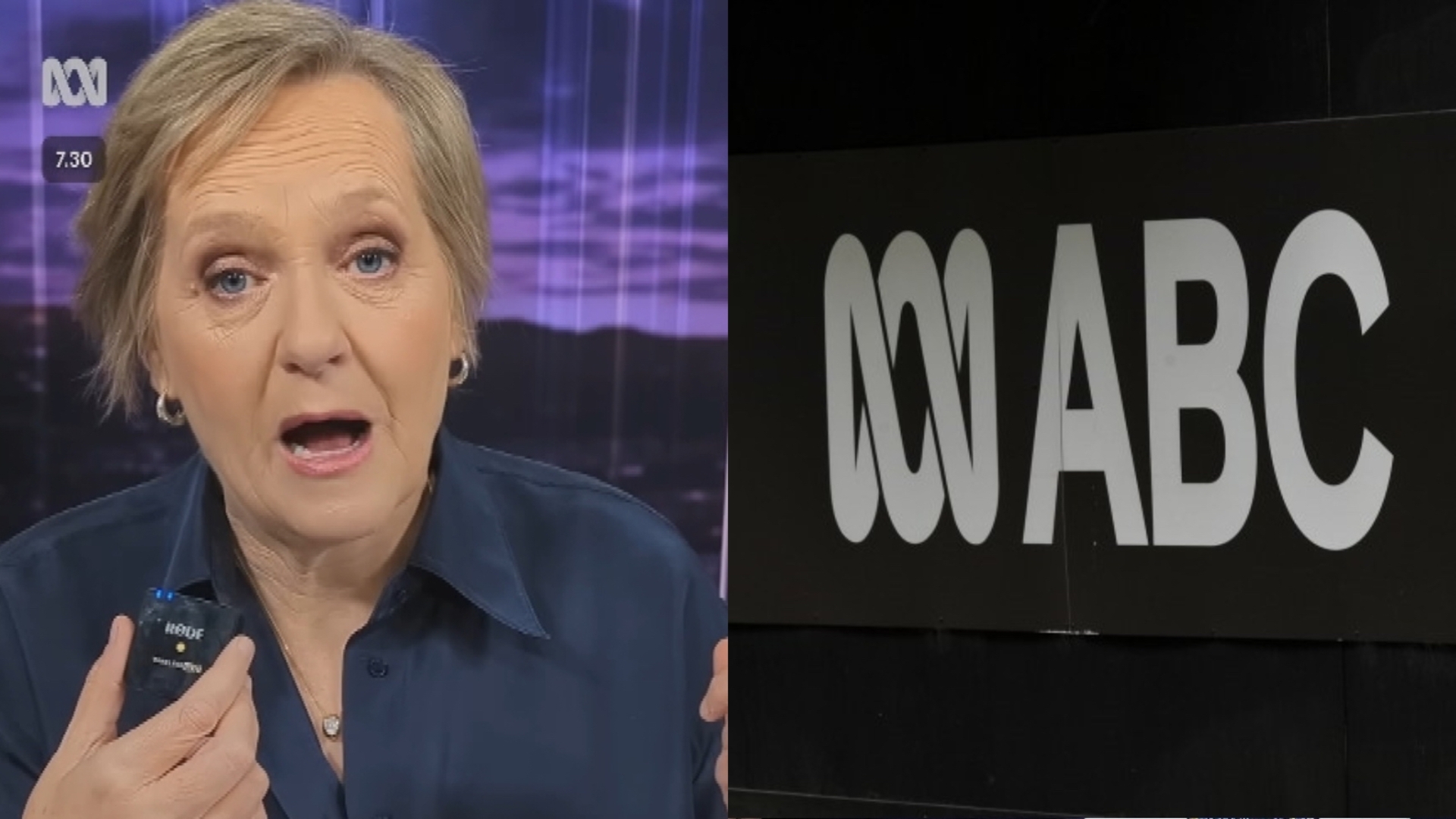
In a recent segment that has sparked debate over journalistic practices, Sky News Media Watch Dog columnist Gerard Henderson has taken aim at ABC journalist Sarah Ferguson for what he describes as overstepping her role during an interview with Opposition Leader Sussan Ley.
Henderson criticized Ferguson for attempting to fact-check Ley’s statements regarding power prices during their exchange, arguing that such intervention falls outside the proper scope of a journalist’s responsibilities during political interviews.
“It is not her role to fact-check the Opposition Leader on air,” Henderson stated during his appearance on Sky News Australia. He suggested that Ferguson’s approach demonstrated a departure from journalistic impartiality, a principle that has long been considered foundational in public broadcasting.
The criticism comes amid ongoing tensions between the Coalition and the national broadcaster, with conservative politicians and commentators frequently accusing the ABC of harboring bias against right-wing perspectives. This latest incident adds fuel to the long-running debate about media objectivity in Australian political coverage.
The interview in question centered on energy policy, a particularly contentious issue in Australian politics. Power prices have become a flashpoint in the national conversation as households face rising costs of living and the country navigates a complex transition toward renewable energy sources.
Media analysts note that the exchange highlights the evolving nature of political interviews in today’s media landscape. Traditional approaches to journalistic neutrality are increasingly being challenged by calls for more assertive fact-checking during live interviews, especially when claims may mislead the public on matters of significant policy importance.
Dr. Amanda Wilson, a media studies professor at the University of Sydney, explained that this tension reflects broader changes in the media environment. “We’re seeing a fundamental shift in how journalists approach their role as intermediaries between politicians and the public,” she said. “The question of when and how to challenge potentially misleading claims is not straightforward.”
The ABC has long maintained editorial guidelines that emphasize impartiality while also recognizing the importance of accuracy in reporting. Critics of Henderson’s position argue that allowing unchallenged statements to air without context or correction may itself represent a form of bias.
Energy policy experts point out that the technical complexity of power pricing makes the issue particularly vulnerable to oversimplification or misrepresentation in political discourse. The intersection of market mechanisms, government regulation, international factors, and climate policy creates a multifaceted topic that resists easy explanation in brief interview segments.
This controversy emerges against the backdrop of a broader international conversation about the media’s role in democratic societies. Similar debates have played out in the United States, United Kingdom, and across Europe as news organizations grapple with covering increasingly polarized political environments.
For the ABC, these criticisms come during a period of intense scrutiny, with the public broadcaster facing pressure from various quarters regarding its coverage and funding model. The national broadcaster has consistently defended its commitment to balanced reporting while acknowledging the challenges inherent in covering contentious political issues.
Industry observers suggest that this incident reflects not only differing philosophies about journalistic practice but also the increasingly partisan nature of media criticism itself. The line between media analysis and political positioning has blurred, with media watchdogs often viewed through the lens of their own political alignments.
As the debate continues, the fundamental question remains: what is the proper role of journalists when interviewing political figures? Is it to provide a platform for unfiltered communication with voters, to vigorously test claims through adversarial questioning, or to strike some balance between these approaches?
Whatever the answer, the exchange between Henderson, Ferguson, and Ley illustrates the ongoing evolution of political journalism in an era of information abundance and declining trust in traditional institutions.
Fact Checker
Verify the accuracy of this article using The Disinformation Commission analysis and real-time sources.

29 Comments
Exploration results look promising, but permitting will be the key risk.
Good point. Watching costs and grades closely.
Good point. Watching costs and grades closely.
Exploration results look promising, but permitting will be the key risk.
Good point. Watching costs and grades closely.
I like the balance sheet here—less leverage than peers.
Good point. Watching costs and grades closely.
Good point. Watching costs and grades closely.
Interesting update on ABC’s Sarah Ferguson Criticized for Fact-Checking Opposition Leader on Power Prices. Curious how the grades will trend next quarter.
Good point. Watching costs and grades closely.
Good point. Watching costs and grades closely.
Exploration results look promising, but permitting will be the key risk.
I like the balance sheet here—less leverage than peers.
Good point. Watching costs and grades closely.
Good point. Watching costs and grades closely.
Exploration results look promising, but permitting will be the key risk.
Good point. Watching costs and grades closely.
Good point. Watching costs and grades closely.
Nice to see insider buying—usually a good signal in this space.
Exploration results look promising, but permitting will be the key risk.
Interesting update on ABC’s Sarah Ferguson Criticized for Fact-Checking Opposition Leader on Power Prices. Curious how the grades will trend next quarter.
Good point. Watching costs and grades closely.
Uranium names keep pushing higher—supply still tight into 2026.
Uranium names keep pushing higher—supply still tight into 2026.
Good point. Watching costs and grades closely.
Uranium names keep pushing higher—supply still tight into 2026.
Production mix shifting toward Fact Check might help margins if metals stay firm.
Silver leverage is strong here; beta cuts both ways though.
Good point. Watching costs and grades closely.