


Listen to the article
Spanish-Language Radio Faces Scrutiny Over Election Misinformation Ahead of Midterms
Spanish-language radio stations across the United States are coming under increased scrutiny as media watchdogs report a surge in election-related misinformation targeting Latino communities. With the 2026 midterms approaching, monitors are flagging concerning patterns of false narratives that question election integrity and vilify election workers.
In recent weeks, Spanish-language broadcasts have circulated outlandish claims ranging from Charlie Kirk’s alleged assassination being connected to a J.P. Morgan scandal to baseless allegations about 300,000 children “disappearing” under the Biden administration. Another persistent falsehood making rounds in heavily Latino areas like Miami-Dade continues to push the thoroughly debunked narrative that the 2020 presidential election was stolen from Donald Trump.
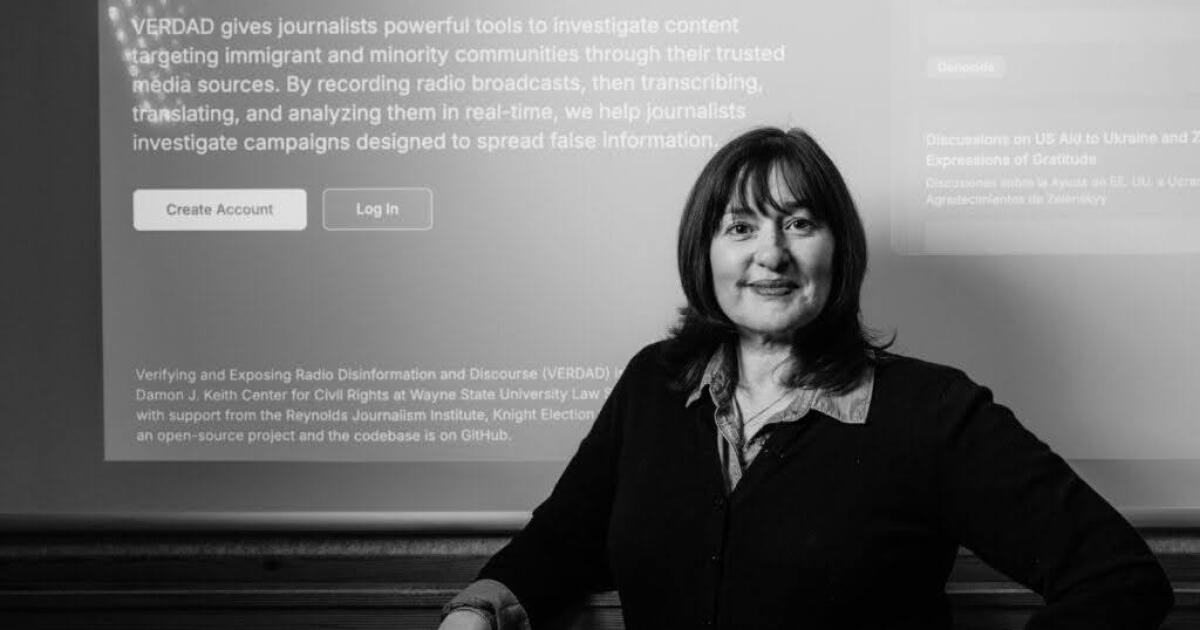
“These narratives are bubbling up,” warns Martina Guzman, creator of VERDAD, a monitoring tool launched in November 2024 that tracks Spanish-language radio content. “It’s very problematic for American democracy.”
VERDAD has given media watchdogs unprecedented insight into how false information spreads through Spanish-language airwaves. While English-language talk radio also disseminates misinformation, critics say the Spanish versions tend to be more brazen and often escape public and regulatory attention.
A striking example emerged on February 12 when Miami Springs-based Radio Mundo (WNMA) discussed the “SAFE Act,” legislation that would require proof of citizenship when registering for federal elections. While accurately describing the law itself, the broadcaster falsely attributed a quote to Senate Minority Leader Chuck Schumer, claiming he said the act would reduce Democrats’ “capacity to cheat in elections.” Schumer never made such a statement.
Radio Mundo has also falsely accused Michigan Attorney General Dana Nessel and Secretary of State Jocelyn Benson of manipulating ballots in the 2020 election, claiming video evidence existed of ballot fraud. The station did not respond to multiple requests for comment from WLRN.
“This narrative affects the credibility of institutions,” says Tamoa Calzadilla, director of consulting group Acento Story Tank. “It affects the credibility of electoral workers. And at the end of the day, our democracy.”
The targeting of election workers is particularly concerning. According to the Election Official Legal Defense Network, women comprise approximately 80% of election workers and often face the most severe harassment when election fraud claims spread.
“For the most part, there’s no police officers at election locations, there’s no people protecting them,” Guzman notes.
Latino communities are especially vulnerable to radio misinformation because they rely heavily on the medium for news. Economic factors play a key role in this dependency.
“Our communities listen to the radio and read the little local periodicito newspaper in the supermarket,” explains Evelyn Perez-Verdia, founder of communications consulting firm We Are Más. “You know what connects all of these? They’re free.”
The emotional connection many immigrants feel to Spanish-language media heightens its influence. “When you live here in the United States, it’s so nostalgic… you only have the memories of the place that you loved,” says Perez-Verdia. “Hearing someone with your voice, with your accent — it means everything to you. That person becomes a person of trust. But that person is not oftentimes telling you the truth.”
Not everyone agrees on the extent of media influence in shaping voter behavior. Eduardo Gamarra, professor of politics and international relations at Florida International University, suggests misinformation mainly reinforces existing beliefs rather than changing minds.
“What the disinformation campaign serves is that it reinforces those who are already committed to vote for a particular candidate,” Gamarra says. “It doesn’t necessarily, or even in any way, convince people to vote for another candidate.”
Gamarra points to broader factors affecting Latino voter decisions, including immigration policies. A survey he conducted among Venezuelan voters found that about 26% said they would never vote for Trump again, with 72% of those respondents citing relatives currently facing immigration challenges.
Recent polling suggests Democrats may have an enthusiasm advantage heading into November. A Washington Post-ABC News-Ipsos poll found 79% of registered Democrats saying they are certain to vote compared with 65% of Republicans—the widest midterm turnout edge for Democrats in nearly two decades.
As election day approaches, media monitors encourage voters to use verification tools like VERDAD to identify misleading content and make informed decisions.
“Our communities deserve the truth and deserve accurate information,” Perez-Verdia emphasizes. “We just want to make sure people are aware of what we’re seeing.”
Fact Checker
Verify the accuracy of this article using The Disinformation Commission analysis and real-time sources.

16 Comments
The proliferation of misinformation targeting Latino communities is very concerning. We need to ensure all voters have access to accurate, unbiased information to make informed decisions at the ballot box.
While it’s troubling to see these kinds of false claims gaining traction, I’m hopeful that media watchdogs and fact-checkers can help curb the spread of disinformation before the midterms.
Absolutely. Proactive efforts to identify and debunk misinformation will be key to protecting the integrity of our elections.
The attempt to undermine faith in our electoral process through Spanish-language disinformation is deeply concerning. We must remain vigilant and work to empower all communities with reliable, factual information.
This is very concerning. We need to address the spread of disinformation in Spanish-language media before it undermines trust in our elections. Fact-checking and media literacy efforts are crucial to combat these false narratives.
It’s disappointing to see these baseless claims spreading, especially around critical issues like election integrity. Responsible journalism and media oversight are vital to upholding democratic principles.
Agreed. Disinformation can have serious consequences, so it’s important to stay vigilant and counter false narratives with facts.
This is a complex and concerning challenge, but I’m hopeful that with concerted efforts from media, fact-checkers, and civic organizations, we can effectively counter the spread of disinformation in Spanish-language media.
While I’m glad to see media watchdogs shining a light on this issue, the fact that these false narratives are spreading is very concerning. We must redouble our efforts to combat disinformation in all its forms.
The proliferation of election-related misinformation in Spanish-language radio is deeply troubling. Maintaining trust in our democratic institutions should be a top priority for all stakeholders.
This is a worrying trend that requires a concerted response. Protecting the integrity of our elections should be a top priority, regardless of language or background.
It’s crucial that we address this issue head-on. Disinformation campaigns that target specific communities pose a serious threat to the integrity of our electoral process.
It’s critical that we address this issue head-on. Disinformation campaigns targeting specific demographic groups pose a real threat to the functioning of our democracy.
Agreed. Strengthening media literacy and fact-checking efforts in these communities is crucial to combat the spread of false narratives.
It’s disheartening to see disinformation targeting specific communities in this way. Ensuring fair and transparent elections should be a nonpartisan goal that we all work towards.
The circulation of outlandish claims and debunked narratives in Spanish-language media is deeply troubling. We must work to ensure all voters have access to accurate, trustworthy information.