


Listen to the article
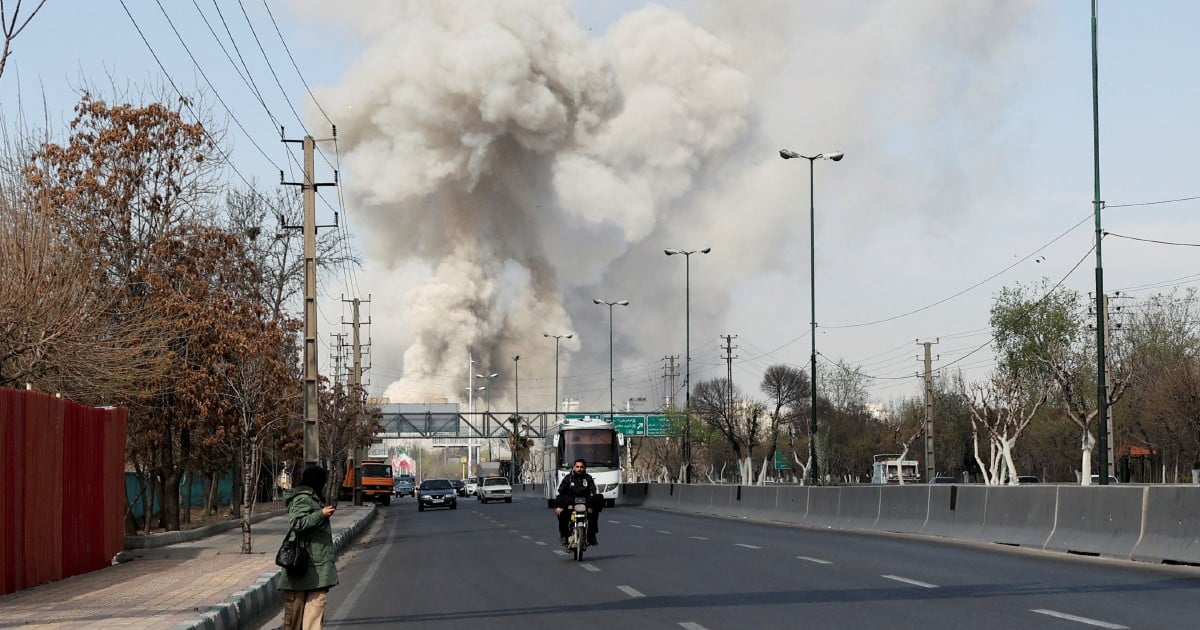
Airstrikes by U.S. and Israeli forces targeting Iranian military sites over the weekend have triggered a surge of disinformation across social media platforms, creating a complex information landscape for users trying to navigate the latest developments in Middle East tensions.
Digital monitoring groups and fact-checkers report that misleading content began flooding platforms like X (formerly Twitter), Facebook, and Telegram within hours of the coordinated military operation. Much of the false information has included recycled footage from unrelated conflicts, manipulated images, and fabricated statements attributed to government officials.
“We’re seeing a pattern that’s become all too familiar in modern conflicts,” said Melissa Chen, director of the Digital Crisis Response Unit at a leading media monitoring organization. “The speed at which misleading content spread following the strikes demonstrates how geopolitical tensions immediately create fertile ground for disinformation campaigns.”
Among the most prominent examples of false information were videos purportedly showing Iranian air defenses successfully intercepting incoming missiles. Fact-checkers determined that many of these clips actually originated from conflicts in Syria and Ukraine, with some footage dating back several years.
Other viral posts falsely claimed that Iran had launched retaliatory strikes against Israel immediately following the attack, while fabricated statements attributed to U.S. President Joe Biden and Iranian Supreme Leader Ali Khamenei circulated widely before being debunked.
The military strikes, which targeted missile production facilities and air defense systems inside Iran, were described by U.S. officials as a proportional response to Iran’s unprecedented direct missile attack against Israel earlier this month. The operation marked a significant escalation in the ongoing regional conflict that began with Hamas’s October 7 attack on Israel last year.
Social media companies have struggled to contain the spread of misleading content, despite pledges to enhance their monitoring capabilities. Platform policy experts note that the sheer volume of posts, combined with the complexity of verifying information during active conflicts, presents significant challenges.
“Platforms are dealing with content in multiple languages, coming from accounts with varying levels of credibility, and often facing coordinated inauthentic behavior from state-affiliated networks,” explained Dr. Sarah Marsden, a researcher specializing in online extremism at Cambridge University.
The disinformation surge comes amid heightened concerns about the influence of false information on public perception of the widening Middle East conflict. Recent polling suggests that increasing numbers of Americans and Europeans report feeling confused about the basic facts of the situation, with many citing social media as their primary news source.
Intelligence officials from several Western countries have warned that the information space surrounding the Iran-Israel conflict has become a battleground for influence operations, with state actors and their proxies attempting to shape narrative and public opinion through coordinated campaigns.
“What we’re witnessing is essentially an information war running parallel to the physical conflict,” said Robert Jennings, a former intelligence analyst now consulting on disinformation threats. “The strategic objective is to create confusion, undermine official accounts, and ultimately influence public support for various actors in the conflict.”
Experts recommend that users exercise heightened skepticism toward dramatic claims and emotional content related to the conflict, particularly videos and images that can easily be taken out of context. They suggest relying on established news organizations with journalists on the ground and fact-checking resources before sharing content.
Meanwhile, tensions remain high across the Middle East as international diplomats work to prevent further escalation. Oil markets have shown volatility in response to the strikes, with prices fluctuating as traders assess the potential for disruption to energy supplies from the region.
The ongoing information battle underscores a troubling reality of modern conflicts: alongside conventional military operations, the struggle to control narratives and public perception has become an equally critical dimension of geopolitical confrontations.
Fact Checker
Verify the accuracy of this article using The Disinformation Commission analysis and real-time sources.

11 Comments
The report highlights the urgent need for improved digital media literacy. Users must be equipped to identify and avoid sharing misleading content, especially during times of conflict.
Disinformation campaigns thrive on uncertainty and fear. Fact-based reporting and transparent communication from authorities are essential to counter the proliferation of false narratives.
It’s concerning to see how quickly misleading information can spread online following military operations. Strengthening media monitoring and debunking efforts is vital.
This is a troubling example of how geopolitical tensions can quickly create an environment ripe for disinformation. Maintaining a critical eye and verifying sources is crucial.
Concerning to see the surge of disinformation online following the US-Israeli strikes on Iran. Fact-checking and media monitoring will be crucial in this charged information environment.
Agreed. The speed at which false narratives can spread is alarming. Vigilance and critical thinking are key for users to navigate the complexity.
The surge in disinformation following the strikes on Iran is deeply concerning. Fact-checkers and media monitors have an important role to play in combating the spread of false narratives.
The report highlights how geopolitical conflicts quickly become breeding grounds for disinformation. Manipulated media and fabricated statements are especially troubling.
Yes, the recycled footage and doctored images are particularly concerning. Disinformation can dangerously distort public understanding of events.
It’s unfortunate but not surprising to see this pattern of disinformation surrounding military operations. Careful verification of information sources is critical in these situations.
Absolutely. The public needs to be very discerning and rely on reputable, fact-based reporting to cut through the noise of misleading content.