


Listen to the article
U.S. Denies Visa to Global Disinformation Index Chief in Broader Crackdown on “Censorship Complex”
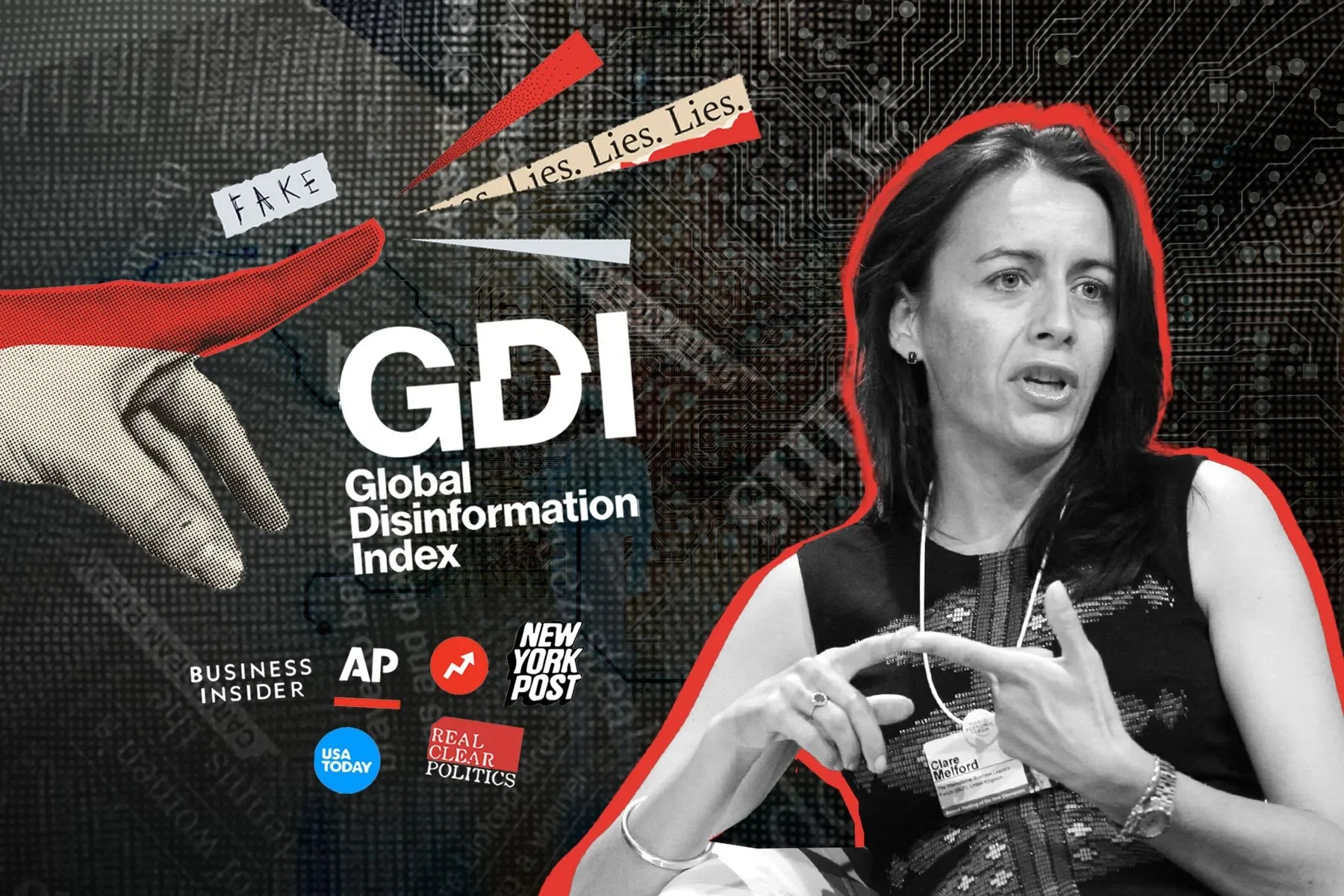
The United States has barred Clare Melford, co-founder and chief executive of the UK-based Global Disinformation Index (GDI), from entering the country as part of a wider effort targeting what officials describe as a “global censorship-industrial complex.”
The State Department announced visa restrictions against five individuals, including Melford and former EU commissioner Thierry Breton, accusing them of attempting to coerce American social media platforms and advertisers into censoring views they oppose. This marks a significant escalation in tensions between the U.S. government and organizations involved in content moderation and digital advertising oversight.
Under Secretary of State Sarah B. Rogers specifically accused the GDI of misusing American taxpayer funds “to exhort censorship and blacklisting of American speech and press.” Secretary of State Marco Rubio framed the visa bans as targeting “agents of the global censorship-industrial complex” engaged in what he termed extraterritorial overreach against U.S. sovereignty.
Founded in 2018, the GDI operates as a ratings agency within the online advertising ecosystem, evaluating news outlets based on their perceived risk of spreading “disinformation.” The organization encourages advertisers to avoid sites given poor ratings, effectively creating a financial incentive for publishers to adhere to GDI’s content standards.
The visa ban comes amid growing controversy over GDI’s practices, particularly regarding media outlets like UnHerd. In January 2024, GDI confirmed it had placed UnHerd on a “dynamic exclusion list,” citing articles by writers including Kathleen Stock, Julie Bindel, and Debbie Hayton as problematic content. The organization controversially equated “gender-critical” views with disinformation, despite such beliefs being legally protected under UK law.
According to reports, GDI’s negative rating resulted in UnHerd receiving only 2% to 6% of the advertising revenue typically expected for a publication of its size. By comparison, a competing ratings agency, NewsGuard, gave UnHerd a trust score of 92.5%, higher than even the New York Times.
The GDI has received funding from multiple government sources, including the UK Government, European Union, German Foreign Office, and entities linked to the U.S. State Department. Critics argue this gives the organization outsized influence as an “invisible gatekeeper” in the digital media landscape, with the power to significantly impact news outlets’ financial viability without public accountability.
Melford has previously advocated for an expansive definition of disinformation that goes beyond factual inaccuracies to include content she considers “harmful” or “divisive,” even when factually correct. In a 2021 lecture, she suggested this broader approach was more “useful” than traditional fact-checking methodologies.
In response to the visa sanctions, a GDI spokesperson issued a strongly worded statement condemning the U.S. decision as “an authoritarian attack on free speech and an egregious act of government censorship.” The statement accused the administration of using federal power to “intimidate, censor, and silence voices they disagree with.”
Other individuals targeted by the visa restrictions include Imran Ahmed of the Center for Countering Digital Hate and senior figures from the German organization HateAid. Breton dismissed the action as a “witch hunt,” writing online that “Censorship isn’t where you think it is.”
This move reflects growing tensions between government entities, tech platforms, and third-party organizations over content moderation practices and the boundaries of free speech online. Industry observers note this could signal a significant shift in U.S. policy regarding international influence over American media and technology companies, with potential implications for global information governance frameworks.
Fact Checker
Verify the accuracy of this article using The Disinformation Commission analysis and real-time sources.

9 Comments
The US government’s accusation that the GDI is misusing taxpayer funds to censor American speech is quite serious. I’d be curious to see the evidence behind that claim. This seems like a complex issue that merits further scrutiny.
Absolutely, the evidence and reasoning behind these actions needs to be thoroughly examined. Transparency and due process are important, regardless of one’s views on the GDI’s work.
The US government’s framing of this as targeting the ‘global censorship-industrial complex’ is quite provocative. I’m curious to hear more about their specific concerns and how they view the role of organizations like the GDI.
Denying a visa to the head of the Global Disinformation Index is a bold move by the US. I wonder if this signals a broader shift in how the US views the role of organizations focused on content moderation and oversight.
Yes, this could be indicative of a larger policy shift. It will be important to follow how this situation develops and what the implications might be for the broader ‘censorship-industrial complex’ as the US sees it.
This sounds like a concerning escalation in tensions between the US and organizations involved in content moderation. I hope both sides can work towards a balanced approach that respects free speech while also addressing real disinformation concerns.
Agreed, a balanced approach is key. It will be interesting to see the US government’s specific rationale for denying the visa and targeting the GDI.
Interesting move by the US government. I wonder what specific concerns they have about the Global Disinformation Index and its activities. Seems like a complex issue around balancing free speech and content moderation.
Yes, it’s a tricky balance. Free speech is important, but so is combating the spread of genuine disinformation. Curious to see how this plays out.