


Listen to the article
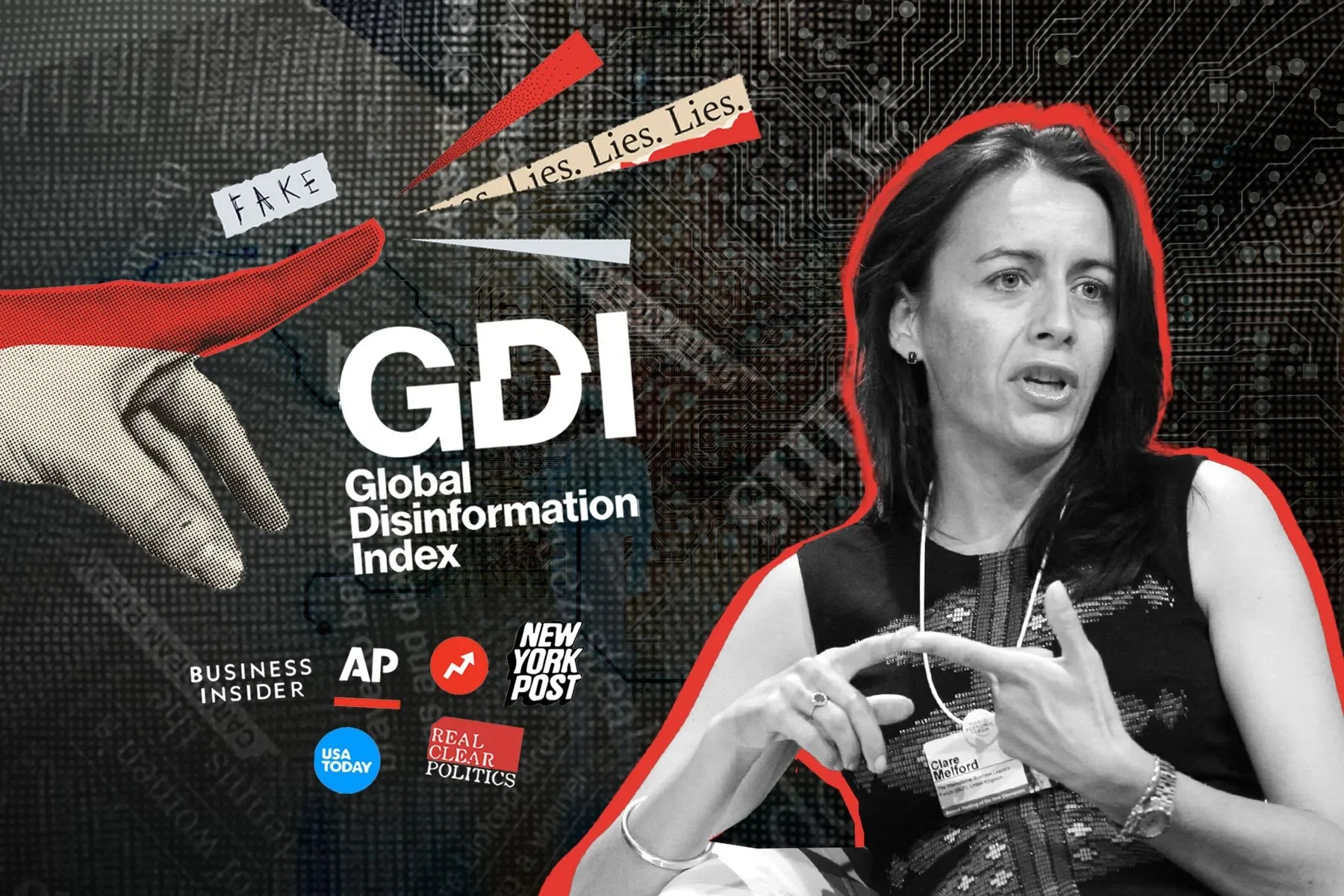
In a significant move highlighting growing tensions over digital speech regulation, the United States has denied entry to Clare Melford, co-founder and CEO of the UK-based Global Disinformation Index (GDI), as part of broader visa restrictions targeting individuals accused of pressuring American companies to censor legal speech.
The State Department announced visa bans on five individuals, including former EU commissioner Thierry Breton, who officials claim have sought to “coerce” U.S. social media platforms and advertisers into suppressing certain viewpoints. Those affected will generally be barred from entering the United States.
Under Secretary of State Sarah B. Rogers specifically accused the GDI of misusing American taxpayer funds “to exhort censorship and blacklisting of American speech and press.” Secretary of State Marco Rubio characterized the targets as “agents of the global censorship-industrial complex” engaged in actions that undermine U.S. sovereignty.
Founded in 2018, the GDI operates as a self-described ratings agency within the digital advertising ecosystem, evaluating news outlets based on their perceived risk of spreading “disinformation” and encouraging advertisers to avoid those with poor ratings. The organization has received funding from several governmental bodies, including the UK Government, European Union, German Foreign Office, and entities connected to the U.S. State Department.
The visa restrictions come amid escalating controversy surrounding the GDI’s influence and methodology. In January 2024, the organization confirmed it had placed media outlet UnHerd on a “dynamic exclusion list,” citing articles by writers including Kathleen Stock, Julie Bindel, and Debbie Hayton as problematic content. The GDI reportedly equated “gender-critical” views with disinformation, despite such perspectives being legally protected in the United Kingdom.
This designation reportedly resulted in UnHerd receiving just 2% to 6% of the advertising revenue typically expected for a publication of its size. By comparison, competing ratings agency NewsGuard awarded UnHerd a trust score of 92.5%, exceeding even that of the New York Times.
Critics argue that the GDI’s position as an “invisible gatekeeper” in digital advertising grants it disproportionate control over media landscape and revenue streams. Melford herself has advocated for an expansive definition of disinformation that extends beyond factual inaccuracies to include content she considers “harmful” or “divisive,” even when factually correct. In a 2021 lecture, she suggested this broader approach was more “useful” than traditional fact-checking methods.
In response to the visa restrictions, a GDI spokesperson condemned the U.S. decision as “an authoritarian attack on free speech and an egregious act of government censorship.” Their statement accused the administration of wielding federal power to “intimidate, censor, and silence voices they disagree with.”
Other individuals targeted by these visa bans include Imran Ahmed of the Center for Countering Digital Hate and senior figures from the German organization HateAid. Breton dismissed the action as a “witch hunt,” stating online that “Censorship isn’t where you think it is.”
This diplomatic action represents a notable escalation in the global debate over content moderation, free speech boundaries, and who holds the authority to determine which voices deserve platform access and monetization opportunities. The conflict highlights fundamental tensions between combating harmful content and preserving open discourse, particularly across international jurisdictions with differing legal frameworks and cultural norms regarding freedom of expression.
Fact Checker
Verify the accuracy of this article using The Disinformation Commission analysis and real-time sources.

10 Comments
As someone interested in the mining sector, I’m curious to see how this plays out. Disinformation can certainly impact commodity markets, so having objective data on news sources is valuable. But the US government’s actions here raise red flags about potential overreach.
I agree, the mining industry could be impacted by disinformation campaigns, so having a credible monitor like the GDI seems useful. But the US government’s move to deny the CEO entry is concerning and deserves further scrutiny.
As someone who follows the energy and mining sectors, I’m wary of any efforts to restrict the flow of information, even if it’s framed as fighting ‘disinformation.’ The GDI’s work may have flaws, but the US government’s response raises concerns about censorship.
This is a concerning development that highlights the growing tensions around content moderation and digital speech. While combating disinformation is important, the US government’s actions here seem heavy-handed and warrant closer scrutiny. I hope cooler heads can prevail and find a more constructive path forward.
The US denying entry to the GDI chief is a strong statement. I wonder if this will lead to further escalation or open up space for dialogue on these sensitive topics. Striking the right balance between free speech and combating harmful content is an ongoing challenge.
This is a complex issue without easy answers. While combating disinformation is important, the US government’s tactics here seem heavy-handed. I hope there can be a more constructive dialogue to address these challenges around online speech and content moderation.
Well said. Knee-jerk reactions rarely lead to good solutions on these nuanced topics. I’m curious to see if any compromise can be reached or if this dispute will only escalate further.
The accusations against the GDI are serious, but denying their CEO a visa seems like a drastic step. I’d want to see clear evidence of wrongdoing before supporting such a move that could infringe on free speech protections. These issues deserve a more measured approach.
This seems like a complex issue around free speech, disinformation, and the role of tech platforms. I’d like to understand the nuances better before forming an opinion. Reasonable people can disagree on where to draw the line.
Interesting move by the US government. Curious to hear more about the allegations against the Global Disinformation Index and their methods for evaluating news outlets. Transparency and accountability are important when it comes to content moderation.