


Listen to the article
French President Emmanuel Macron has accused the United States of “intimidation and coercion” after the Trump administration imposed sanctions on several European anti-disinformation campaigners, barring them from entering the US.
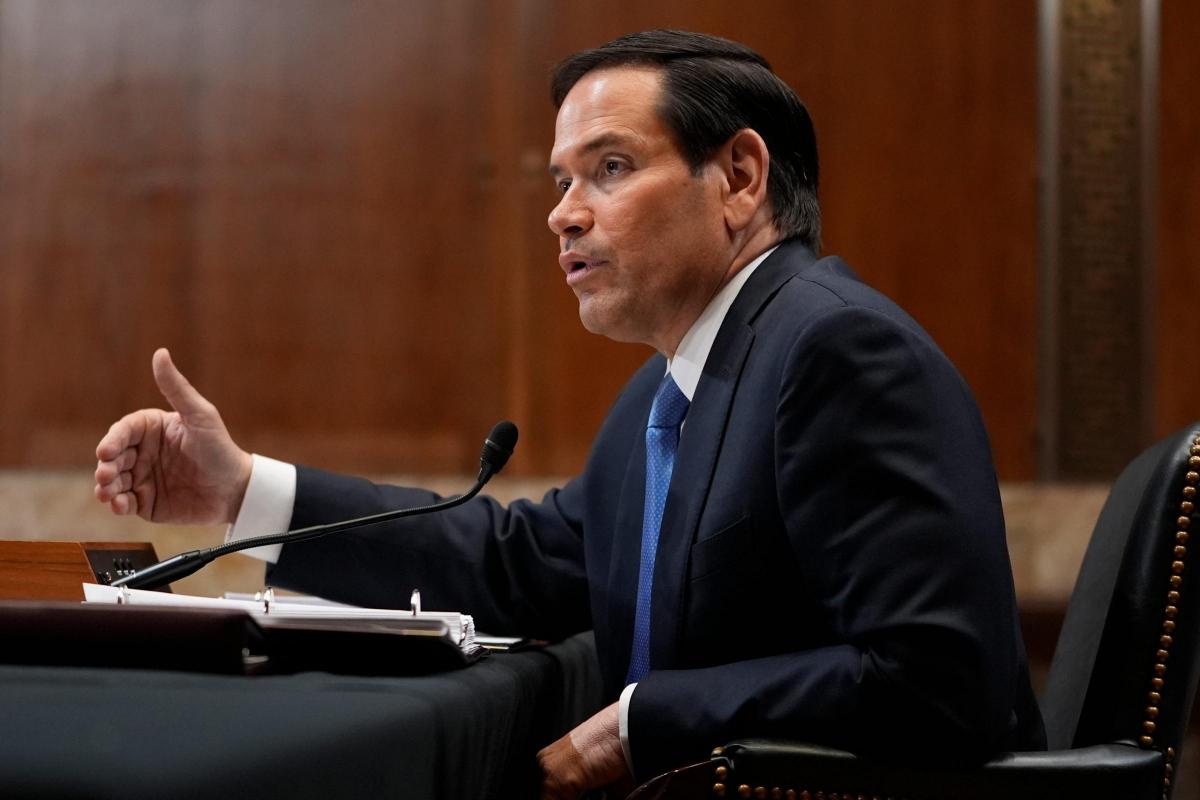
The controversial move targets five Europeans, including UK-based Imran Ahmed, chief executive of the Centre for Countering Digital Hate (CCDH). US Secretary of State Marco Rubio justified the sanctions by claiming these individuals led “efforts to coerce American platforms to punish American viewpoints they oppose.”
Macron condemned the sanctions in strong terms on social media, stating: “The rules governing the European Union’s digital space are not meant to be determined outside Europe.” He pledged to continue defending Europe’s “digital sovereignty and regulatory autonomy” alongside the European Commission and other European partners.
The Trump administration has indicated these sanctions could be merely the first step, with potential further actions targeting serving politicians or officials. The decision represents a significant escalation in tensions over online content moderation and digital regulation between the US and Europe.
Ahmed, from Manchester, has established connections with senior Labour figures in the UK. He previously worked as an adviser to Hilary Benn, the current Northern Ireland Secretary, during Benn’s time as shadow foreign secretary. Additionally, Keir Starmer’s chief of staff, Morgan McSweeney, was once a director at the CCDH, resigning from that position in April 2020.
The UK government responded cautiously to the sanctions, stating it is “fully committed to upholding the right to free speech” while acknowledging that “every country has the right to set its own visa rules.” The statement also emphasized support for “laws and institutions which are working to keep the internet free from the most harmful content.”
Jonathan Hall KC, the UK’s independent reviewer of terror legislation, called the US sanctions a “significant move,” noting that such measures are typically “reserved for really serious matters of foreign policy where a country feels that its own interests are being severely threatened.” He warned the action would create a “massive chilling effect” on discussions around online content regulation.
The sanctions follow a history of tension between tech platforms and anti-disinformation groups. In October 2024, Elon Musk declared “war” on the CCDH, branding it a “criminal organisation.” Ahmed has previously stated that his work was inspired by seeing the rise of antisemitism in the UK and the murder of his colleague, Labour MP Jo Cox, by a white supremacist who was radicalized partly online.
Other individuals barred from entering the US include Clare Melford, another British executive who runs the Global Disinformation Index, former EU Commissioner Thierry Breton, and Anna-Lena von Hodenberg and Josephine Ballon of the German non-profit HateAid.
The Trump administration has framed these sanctions as part of a broader campaign against foreign influence over online speech. Sarah Rogers, US Under Secretary of State for Public Diplomacy, noted that while none of those sanctioned are current UK or EU officials, “foreign government officials are actively targeting the United States.”
The Liberal Democrats in the UK accused the US administration of using “bullying tactics” against critics. Calum Miller, the party’s foreign affairs spokesman, stated: “Trump and his backers plan to pour money into British and European politics to try to change the outcomes of elections. That is different from the right to speak out and scrutinize the powerful. Trump likes to dish it out but not to take criticism.”
The European Union’s foreign policy chief, Kaja Kallas, described the US decision as “unacceptable,” calling it “an attempt to challenge our sovereignty.” She affirmed that “Europe will keep defending its values: Freedom of expression, fair digital rules, and the right to regulate our own space.”
This diplomatic standoff highlights growing transatlantic tensions over digital policy, with European efforts to regulate online content increasingly colliding with American concepts of free speech and corporate autonomy in the digital sphere.
Fact Checker
Verify the accuracy of this article using The Disinformation Commission analysis and real-time sources.

12 Comments
It’s disappointing to see the US taking such an adversarial stance against European anti-disinformation efforts. Macron is right to condemn this as an infringement on digital sovereignty. A coordinated, multinational approach is needed to address this global challenge.
Agreed. Unilateral action by the US undermines international cooperation on this issue. A more collaborative approach respecting different national contexts would be far more constructive.
This is a concerning development, as free speech and the free exchange of ideas are fundamental to democracy. It’s troubling to see the US government take such measures to restrict activists working to counter online disinformation. We should be vigilant in protecting our digital rights and freedoms.
I agree, this sets a worrying precedent. Blocking entry of anti-disinformation activists raises serious questions about the US government’s commitment to transparency and accountability online.
While I understand the US government’s desire to address disinformation, these sanctions appear to be a heavy-handed and counterproductive approach. Restricting the movement of activists could undermine efforts to find effective, collaborative solutions to this global challenge.
The US sanctions on European anti-disinformation activists are deeply troubling. This heavy-handed approach undermines international cooperation and infringes on digital sovereignty. A coordinated, transparent effort respecting different national contexts is needed to tackle this global challenge effectively.
While combating disinformation is important, these sanctions appear to be a heavy-handed and counterproductive approach. Restricting the movement of these activists will likely only embolden critics and undermine efforts to address this complex issue constructively.
You make a fair point. An open and inclusive dialogue is crucial to finding effective solutions to online disinformation. Blocking key voices risks further polarizing the debate.
This is a worrying development that raises serious concerns about the US government’s commitment to free speech and digital rights. Blocking entry of anti-disinformation activists sets a dangerous precedent and could backfire by drawing more attention to their work.
Agreed. This move seems more about political posturing than addressing the complex issue of online disinformation in a constructive manner. A more inclusive, multinational approach would be far more productive.
This move seems to be more about political posturing than actually tackling the complex problem of online disinformation. Barring activists from entering the US is unlikely to resolve the underlying issues and may even backfire by drawing more attention to their work.
Good observation. Clamping down on critics rather than engaging with them constructively is a concerning sign of an authoritarian impulse, not a commitment to democratic values.