


Listen to the article
In the face of mounting challenges posed by the spread of misinformation and disinformation, United Nations peacekeepers are developing new strategies to safeguard their missions and protect vulnerable communities in conflict zones around the world.
Recent survey data reveals the severity of the problem: 68% of peacekeepers reported that false or misleading information significantly impacted their peace and security operations, while 76% indicated it posed moderate to severe threats to their personal safety.
The consequences have been particularly dire for women serving with MONUSCO, the UN peacekeeping mission in the Democratic Republic of the Congo. Following an M23 attack in January 2025, women peacekeepers became targets of an online disinformation campaign that included threats of rape and sexual violence. These threats restricted their movements and hindered their ability to provide security for Congolese communities.
“Misinformation, disinformation and hate speech pose a risk to the lives of the people we are trying to protect, and to our ability to protect them,” explained Major John Rice, an Operations Officer with UNFICYP, the peacekeeping mission in Cyprus.
Boris-Ephrem, Chief of the Community Liaison office in UNISFA (the UN mission in Abyei), described how threat actors deliberately weaponize false information. “They use mis- and disinformation as weapons of war to create tensions, manipulate, and destabilize communities. They influence community behaviors, which affects our capacity to protect populations.”
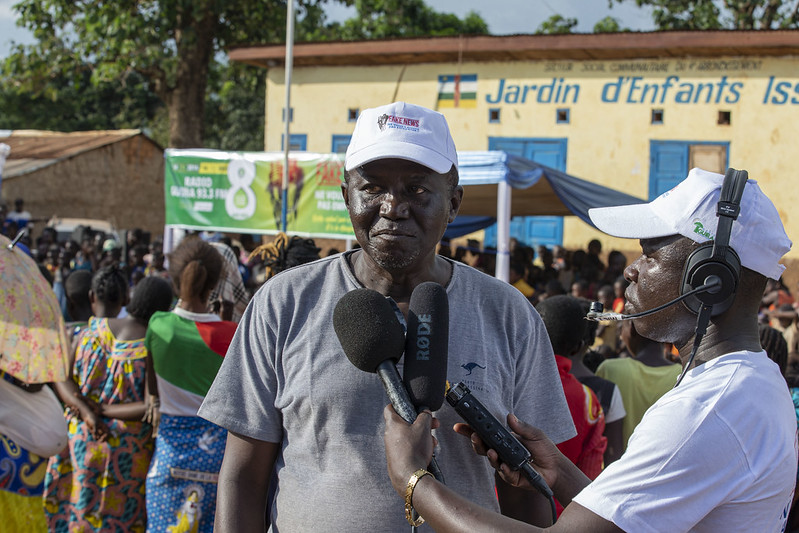
Peacekeeping missions are now actively tracking misinformation to anticipate potential violence and develop tailored intervention strategies. In Abyei, the approach recognizes local information ecosystems. “MDH does not come through headlines and hashtags – it spreads through markets, churches, community leaders, and other sources,” noted Antonette Midday, UNISFA’s Spokesperson. Her team engages communities through artistic events, dialogues, and local conferences to build trust and share accurate information before harmful rumors take hold.
Trust remains fundamental to effective peacekeeping operations. Open communication helps local populations understand the UN’s presence while ensuring community concerns are heard and addressed. This dialogue serves as an early warning system for potential violence, allowing missions to counter false narratives with accurate information through both traditional and social media channels.
However, peacekeepers face significant challenges in responding to the volume and speed of misinformation. Recent cuts to content moderation on major social media platforms have exacerbated the problem. Many platforms have adopted more permissive policies regarding hate speech, misinformation, and abusive language, potentially accelerating the spread of harmful content.
To address these growing challenges, UN Peacekeeping headquarters in New York has established an Information Integrity Unit. This specialized team monitors digital information environments, analyzes trends, and provides field missions with tools to combat harmful narratives.
Speaking to information integrity experts in Entebbe, Uganda, Under-Secretary-General for Peace Operations Jean-Pierre Lacroix emphasized the importance of maintaining progress in this area. He called for continued political, financial, and technical support from Member States to ensure peacekeeping operations can effectively prevent conflicts and protect both civilians and peace processes.
As information warfare becomes an increasingly central aspect of modern conflicts, the ability of peacekeepers to navigate complex information environments may prove as crucial as their physical presence in conflict zones. Their evolving strategies represent an important adaptation to the changing nature of global security challenges in the digital age.
Fact Checker
Verify the accuracy of this article using The Disinformation Commission analysis and real-time sources.

12 Comments
It’s alarming to see how disinformation and hate speech are jeopardizing UN peacekeeping efforts. This underscores the importance of fact-based reporting and information-sharing to support these critical missions. The UN will need to be proactive and creative in its response.
Disinformation and hate speech pose serious risks to UN peacekeeping efforts. It’s concerning to hear how this has impacted the safety of peacekeepers, especially women, and their ability to protect vulnerable communities. Tackling this challenge will require innovative strategies and a concerted global effort.
Agreed, this is a complex issue that requires a multi-pronged approach. Strengthening digital literacy and media verification skills could help, as could improving coordination between peacekeepers and local communities.
Protecting vulnerable communities should be the top priority for UN peacekeepers. The threat posed by disinformation is deeply concerning and could have devastating consequences. I hope the UN’s new strategies are effective in mitigating these risks and keeping their personnel and the people they serve safe.
Agreed. The safety and security of peacekeepers and civilians must be the paramount consideration. Innovative approaches that leverage technology and engage local stakeholders will be crucial to countering the spread of harmful content.
This is a complex challenge without easy solutions. Disinformation and hate speech can quickly escalate and spiral out of control, putting lives at risk. The UN will need to be vigilant and nimble in its response, drawing on the expertise of digital security and conflict resolution specialists.
The UN’s peacekeeping efforts play a vital role in maintaining global stability, so it’s deeply concerning to see how disinformation is undermining their work. Strengthening digital literacy and empowering local communities to be discerning consumers of information could be an important part of the solution.
Agreed, building resilience at the community level is crucial. The UN should also work closely with tech companies and media outlets to identify and counter the spread of harmful content more effectively.
Maintaining trust and credibility is crucial for UN peacekeepers, so the spread of disinformation is very problematic. I’m curious to learn more about the specific strategies they are developing to address this threat and protect their personnel and the populations they serve.
That’s a good point. Transparency and open communication will be key in building that trust and credibility back up. Proactively debunking false narratives and empowering local voices could be part of the solution.
This is a worrying trend that could undermine the critical work of UN peacekeepers. Disinformation erodes public confidence and makes their jobs much harder. I hope the UN can find effective ways to counter these threats and ensure the safety of their personnel.
Absolutely. Safeguarding the neutrality and impartiality of UN peacekeeping missions is vital. Stronger coordination with tech platforms and local media outlets may be part of the answer to combat the spread of harmful content.