


Listen to the article
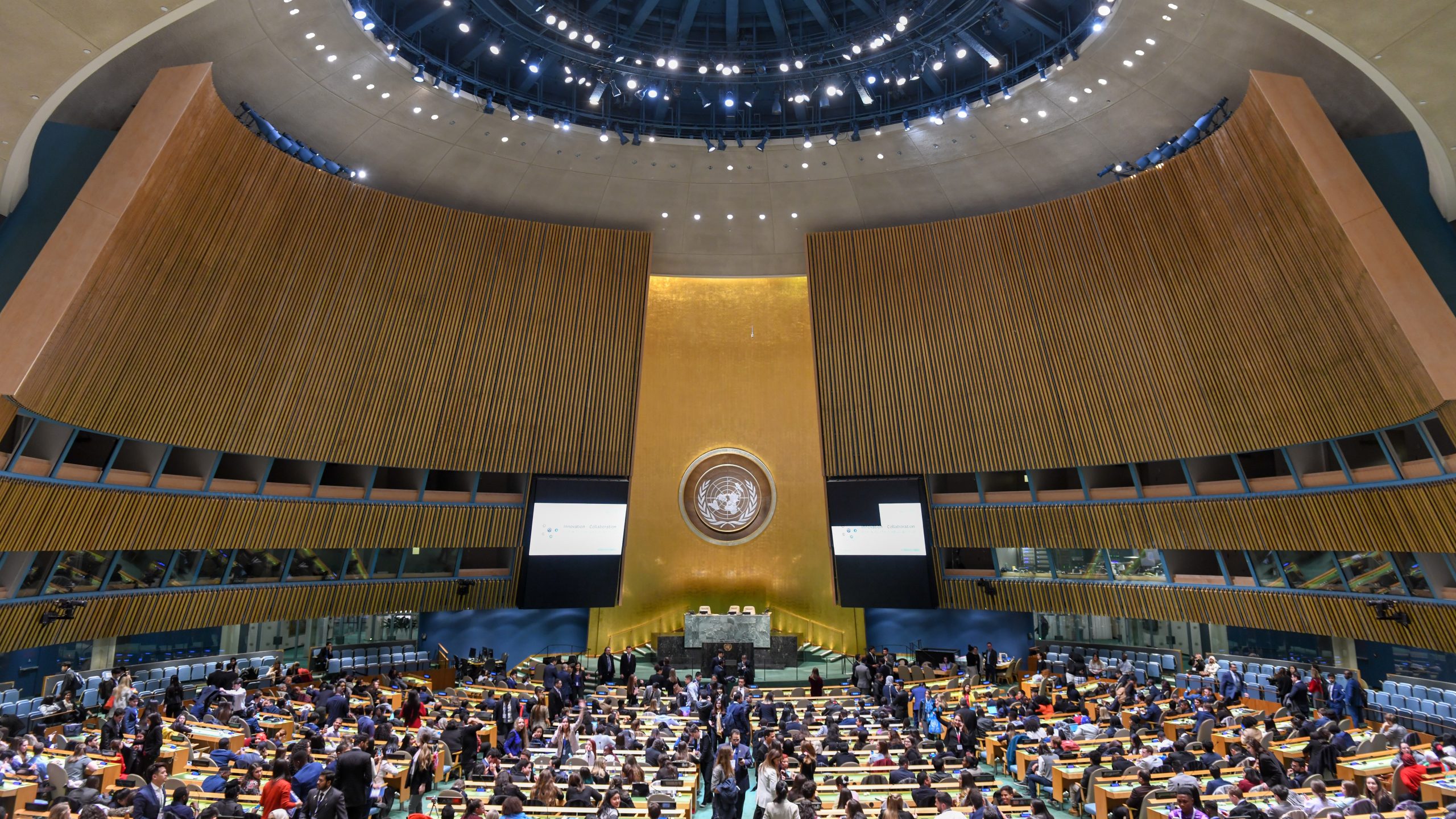
In a significant diplomatic move, the United Nations General Assembly recently approved a resolution establishing a framework to address disinformation and hate speech, with 169 nations voting in favor. Notably, only three countries opposed the measure: the United States, Argentina, and Paraguay, while four others abstained.
The resolution, passed by the General Assembly’s Third Committee on social issues, has sparked intense debate about freedom of expression, national sovereignty, and the regulation of information in the digital age.
A U.S. diplomatic representative delivered a forceful critique of the resolution, arguing that it promotes “frameworks that undermine the sovereignty of states and infringe upon freedom of expression.” The American position emphasized constitutional protections for expression, even when it includes what might be considered hateful speech.
The U.S. objections also focused on the resolution’s approach to artificial intelligence regulation, characterizing it as a move toward a “centralized, globalized model” that could potentially stifle innovation through “broad and open-ended commitments to international frameworks.”
This latest resolution represents a marked departure from a version adopted two years ago that received support from the Biden administration. Critics point out that the current text grants significant authority to the UN Secretary-General and other UN bodies to determine censorship policies intended for global application, including those affecting private companies.
According to the resolution, nations have a “responsibility” to censor disinformation and counter it through official government messaging. This approach has raised concerns among free speech advocates, who note that “disinformation” lacks a standardized international definition and is frequently used to suppress legitimate political discourse on contentious issues including immigration, climate change, abortion, and transgender rights.
The resolution explicitly supports the United Nations Global Principles for Information Integrity, an initiative launched by the Secretary-General. These principles endorse various content moderation tactics including direct and indirect censorship, official propaganda, and content suppression methods such as “stealth banning” and demonetization—practices that involve blocking or limiting user content without notification.
Critics have linked these mechanisms to systems recently investigated by the U.S. House Subcommittee on the Instrumentalization of the Federal Government, suggesting they represent overreaching social control efforts.
The framework has reportedly been developed with input from both the U.S. State Department and the European Union. According to some observers, it aims to suppress political movements similar to Donald Trump’s MAGA campaign in America and the Brexit movement in the United Kingdom. The incoming Trump administration has indicated plans to dismantle this system.
The U.S. delegation argued that most countries lack America’s strong traditions of self-government and do not place the same value on freedom of expression that has historically characterized U.S. policy.
By contrast, the European Union has positioned itself as a leading proponent of regulatory oversight for online content. The EU’s Digital Services Act and AI Act require technology companies to restrict certain political opinions deemed problematic by the European Commission, particularly regarding migration, climate policy, and transgender issues.
European officials have defended their regulatory framework as a global model, framing censorship measures as “necessary protective measures to guarantee human rights.”
A recent example of this European approach was French President Emmanuel Macron’s proposal for a media “labeling” system to be administered by a committee of journalists—a suggestion made while criticizing the French opinion channel CNews.
Religious freedom advocates have expressed concern that these principles, which they compare to censorship mechanisms used in authoritarian states like China, could also impact religious expression, including Catholic doctrine.
Fact Checker
Verify the accuracy of this article using The Disinformation Commission analysis and real-time sources.

10 Comments
Disinformation is a serious problem, but the US critique of this resolution highlights the risks of overly broad regulations. Protecting free expression while curbing malicious falsehoods is a delicate challenge.
While the intentions behind this UN resolution are understandable, the US concerns about infringing on free speech and stifling innovation merit serious consideration. Policymakers will need to tread carefully on this issue.
This UN resolution is a significant diplomatic move, but the US opposition underscores the difficulty in finding the right approach. Combating disinformation is crucial, but not at the expense of free speech protections.
Interesting to see the US take a firm stance against this UN resolution. Freedom of expression is critical, but tackling malicious disinformation is also vital. Finding the right policy solutions won’t be easy.
You raise a good point. This is a complex issue without easy answers. Reasonable people can disagree on where to draw the line between free speech and necessary content moderation.
The debate over this UN resolution touches on fundamental issues of sovereignty, free expression, and the regulation of online content. It’s a complex challenge without easy solutions.
While I’m sympathetic to the UN’s goals, the US objections around sovereignty and innovation merit consideration. Striking the right balance on this issue will require nuanced policymaking on a global scale.
This resolution is a complex issue with valid concerns on both sides. While combating disinformation is important, overly broad regulations could infringe on free speech protections. Balancing these interests will require nuanced policymaking.
The UN’s attempt to address disinformation is understandable, but the US opposition highlights the difficulty in finding the right approach. Regulating online content is tricky and could have unintended consequences if not done carefully.
I agree, this is a delicate balance. Overzealous regulation risks stifling legitimate discourse, while doing nothing leaves the door open for damaging misinformation to spread.