


Listen to the article
Ukraine Accuses Russia of Disinformation Campaign Targeting Hungarian Minority
Ukraine’s government has accused Russia of orchestrating a sophisticated disinformation operation targeting ethnic Hungarians living in Ukraine’s Transcarpathia region, further escalating tensions in an already volatile relationship between Kyiv and Budapest.
According to Ukrainian Foreign Minister Andrii Sybiha, the Security Service of Ukraine (SSU) uncovered evidence that Russian operatives made threatening phone calls to ethnic Hungarians while impersonating Ukrainian law enforcement officials. The alleged operation appears designed to inflame ethnic tensions in Ukraine’s western region, which shares a border with Hungary.
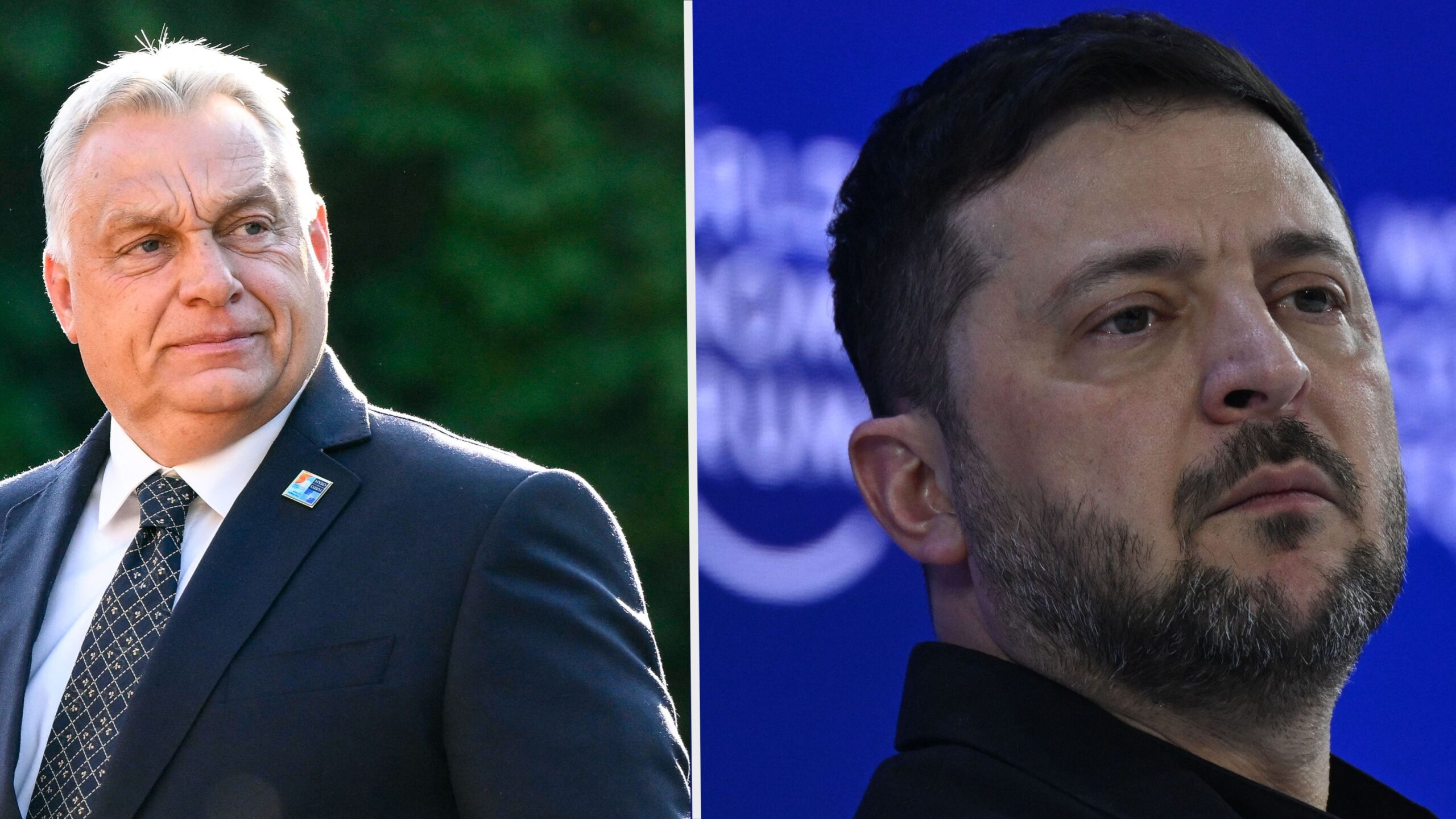
“The revealed operation demonstrates the scale of Russian interference in Hungarian elections on the side of Viktor Orbán,” Sybiha wrote on social media platform X on Wednesday. He went further, directly accusing the Hungarian prime minister’s campaign team of coordinating with the alleged Russian operatives.
The SSU claimed its technical investigation established that the threatening calls originated from Russian territory. Ukrainian authorities are reportedly working to block what they described as a “hostile information and psychological operation” and urged citizens to report any suspicious communications to law enforcement immediately.
This accusation emerges amid Hungary’s contentious electoral campaign ahead of voting on April 12. Claims of Russian interference have become central to the narrative pushed by Orbán’s political opposition both domestically and across Europe. Recently, Hungarian media outlet Direkt36 published a report alleging that Russian military intelligence officers had been deployed to Hungary to support Orbán’s campaign, though critics note the report relied solely on anonymous sources.
Opposition leader Péter Magyar seized on these allegations, accusing Orbán of “inviting Russians” to Hungary and comparing him to former communist leader János Kádár. Other opposition figures have gone as far as requesting NATO intervention in Hungarian domestic politics.
Prime Minister Orbán has firmly rejected these accusations while countering with his own claims that the European Commission and Ukraine are interfering in Hungary’s election by supporting Magyar’s Tisza party. According to Orbán, Hungarian intelligence indicates the opposition is receiving funding from Kyiv, which he claims is motivated by Ukraine’s desire to remove his government due to Hungary’s opposition to Ukraine’s EU membership, additional EU military aid to Kyiv, and sanctions on Russian energy.
The bilateral relationship has deteriorated dramatically in recent months. Ukraine halted the transit of Russian oil through the critical Druzhba pipeline in late January, directly affecting energy supplies to both Hungary and Slovakia. Hungarian officials view this as deliberate pressure, while Ukrainian President Volodymyr Zelenskyy indicated Kyiv has “no political will” to resume the transit soon.
The European Union has attempted to mediate by offering to finance pipeline repairs in exchange for Hungary lifting its veto on a €90 billion loan package to Ukraine, which Orbán implemented in response to the oil blockade.
Adding to the complexity, the European Commission has activated its intervention mechanism under the Digital Services Act ahead of Hungary’s election. This “rapid response system” involves cooperation between technology companies, fact-checkers, and civil society organizations to identify and address suspected foreign interference. Critics see this as EU-level interference, particularly after Facebook began restricting content related to Orbán shortly after the system’s activation.
Hungarian Foreign Minister Péter Szijjártó responded forcefully to Ukraine’s allegations, demanding Kyiv “stop telling lies, stop interfering” in Hungary’s election and cease using “the Hungarian community in Transcarpathia” for what he called “dirty goals.” Szijjártó asserted that Ukraine clearly prefers an opposition victory, as this would align with Kyiv’s strategic interests regarding EU membership and military support.
As Europe faces a complex web of accusations about electoral interference from multiple directions, the controversy highlights the increasingly blurred lines between national politics, regional tensions, and information warfare in the continent’s eastern regions.
Fact Checker
Verify the accuracy of this article using The Disinformation Commission analysis and real-time sources.

11 Comments
Interesting allegations from Ukraine. Ethnic tensions and foreign interference in elections are certainly concerning issues that deserve close scrutiny. I wonder what evidence the Ukrainian authorities have to support these claims against Russia and Orbán’s team.
Agreed, transparency and independent verification of these claims would be important. Geopolitical tensions often lead to finger-pointing, so I hope this can be investigated thoroughly and objectively.
Allegations of foreign interference in domestic politics are always concerning. I’ll be interested to see what other evidence and perspectives emerge as this story develops. Objective analysis from credible sources will be important.
Agreed. With high stakes involved, it’s critical that any investigation into these claims is thorough, impartial, and transparent to maintain public trust.
This is a delicate and politically-charged issue. I hope all parties involved can focus on facts, engage in constructive dialogue, and work towards de-escalating the situation for the benefit of the people caught in the middle.
The relationship between Ukraine and Hungary has been tense for some time. This latest development adds another layer of complexity. It will be important to understand the nuances and avoid oversimplifying the situation.
Absolutely. Regional dynamics and historical context are crucial when examining these types of cross-border issues. Simplistic narratives often fall short of capturing the full picture.
The tensions between Ukraine and Hungary over this issue highlight the challenging geopolitical landscape in the region. I hope cooler heads can prevail and all sides work to de-escalate the situation through diplomatic channels.
Absolutely. Maintaining open lines of communication and finding common ground, even in tense times, is crucial for regional stability and the wellbeing of all citizens.
This seems like a complex, multi-faceted situation. I’m curious to learn more about the nature of the alleged Russian disinformation campaign and how it may be impacting the Hungarian minority population in Transcarpathia.
Yes, understanding the specific tactics and goals of any disinformation efforts will be key. It’s a delicate balance between addressing real threats and avoiding unfounded accusations.