


Listen to the article
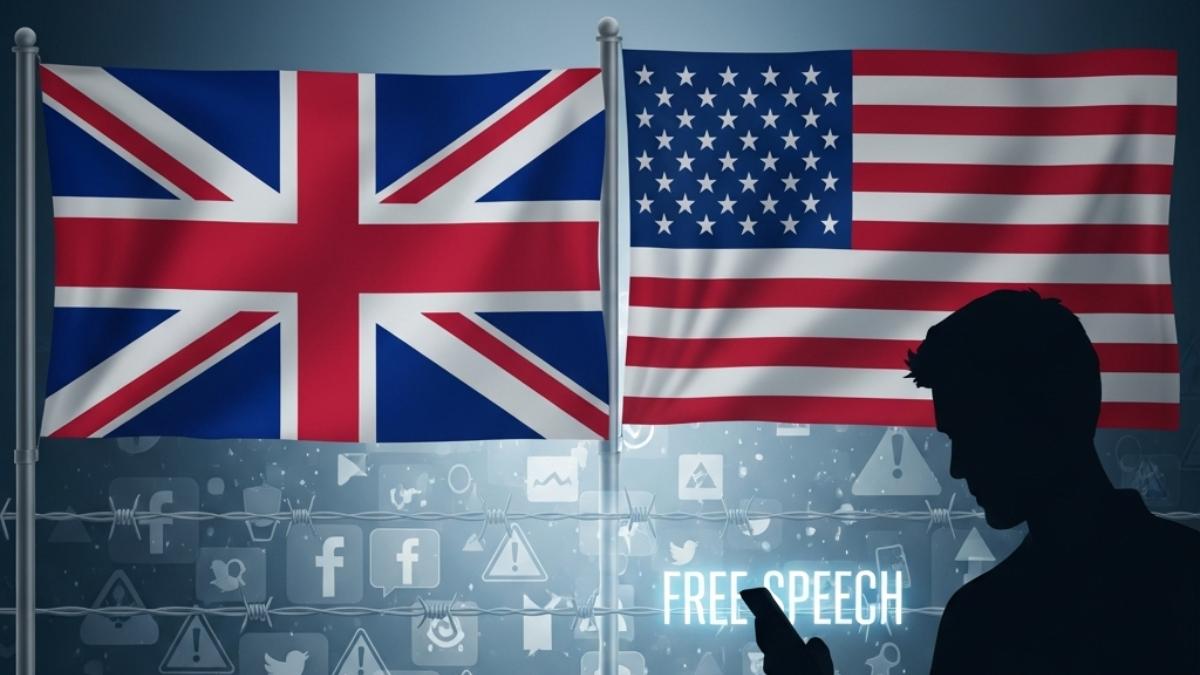
The UK government has reaffirmed its commitment to upholding free speech principles while acknowledging the need for online content regulation, following controversial visa bans imposed by the United States on anti-disinformation campaigners.
In a statement released Wednesday, a UK government spokesperson emphasized that while nations maintain sovereignty over their visa policies, Britain continues to support legal structures and institutions designed to maintain an open internet that is also protected from harmful content.
“Free expression must be balanced with appropriate safeguards against digital platform misuse,” the spokesperson said, highlighting specific concerns about online spaces being used to distribute child sexual abuse material, promote hatred or violence, or deliberately circulate false information and manipulated videos.
The British position attempts to strike a delicate balance in the increasingly contentious global debate surrounding online content moderation. While defending the principle of free speech, UK officials have made clear they support targeted regulation aimed at curbing the most harmful forms of digital content.
This stance comes at a time of heightened international tension over how governments should address disinformation without encroaching on fundamental freedoms. The US decision to implement visa restrictions on individuals involved in anti-disinformation efforts has sparked concern among free speech advocates, who worry such measures could have a chilling effect on legitimate efforts to combat harmful falsehoods online.
Digital rights experts note that the disagreement highlights the growing divergence in how democratic nations approach online regulation. While the United States has traditionally favored a more hands-off approach rooted in First Amendment protections, European countries including the UK have moved toward regulatory frameworks that place greater responsibility on platforms to moderate harmful content.
“We’re seeing a fracturing of the global consensus on how to handle digital speech,” explained Dr. Emma Wilson, a digital policy researcher at Oxford University. “The UK is attempting to chart a middle path that preserves free expression while acknowledging that completely unregulated online spaces can pose genuine societal harms.”
The UK’s Online Safety Act, passed in 2023, exemplifies this approach, requiring tech companies to protect users from harmful content while maintaining exemptions for journalistic content and content of democratic importance. The legislation has been both praised for addressing online harms and criticized for potentially overreaching in ways that could restrict legitimate speech.
Technology platforms have been caught in the middle of these competing governmental approaches. Major companies like Meta, Google, and Twitter (now X) have faced increasing pressure to develop more sophisticated content moderation systems while navigating different regulatory requirements across jurisdictions.
Industry analysts suggest the transatlantic difference in approach could create complications for global tech companies, potentially forcing them to develop region-specific policies and systems.
The UK government’s statement carefully avoided direct criticism of the US decision while reaffirming Britain’s own regulatory approach. This diplomatic response reflects the importance of the UK-US relationship, particularly as both nations work to coordinate responses to other digital challenges like cybersecurity threats and artificial intelligence regulation.
As the international debate over online content moderation continues to evolve, the UK’s position highlights the ongoing challenge democratic societies face: how to protect citizens from genuine online harms while preserving the open exchange of ideas that underpins democratic discourse.
Fact Checker
Verify the accuracy of this article using The Disinformation Commission analysis and real-time sources.

8 Comments
Free speech is a fundamental right, but it can’t be a blank check for malicious actors to spread disinformation or incite violence. Curious to see how the UK navigates this nuanced issue and what specific regulations they may propose.
Balancing free speech and content regulation is challenging, but necessary in the digital age. The UK’s approach seems sensible – upholding core freedoms while taking targeted action against the most egregious harms. Curious to see how this unfolds.
Agree, it’s a delicate balance. Outright censorship is concerning, but so is the unchecked spread of dangerous misinformation. The UK is right to try and find a middle ground here.
The UK’s stance on this is thought-provoking. Maintaining free speech while curbing the worst online abuses is a worthy goal, but the details will be crucial. Looking forward to seeing how they approach this complex issue.
This is a complex issue without easy solutions. I can understand the UK’s position of defending free speech principles while supporting measures to curb the spread of dangerous misinformation and abusive content online.
Agreed, it’s about finding the right balance. Outright bans on speech can be problematic, but some guardrails are needed to prevent the worst abuses on digital platforms.
The debate over online content moderation continues to evolve. I appreciate the UK’s measured stance, recognizing the importance of both free expression and responsible platform governance. It will be interesting to see how this plays out globally.
Interesting to see the UK’s balanced approach, upholding free speech while acknowledging the need for targeted content regulation. It’s a tricky balance, but important to address the most harmful online content while preserving legitimate discourse.