


Listen to the article
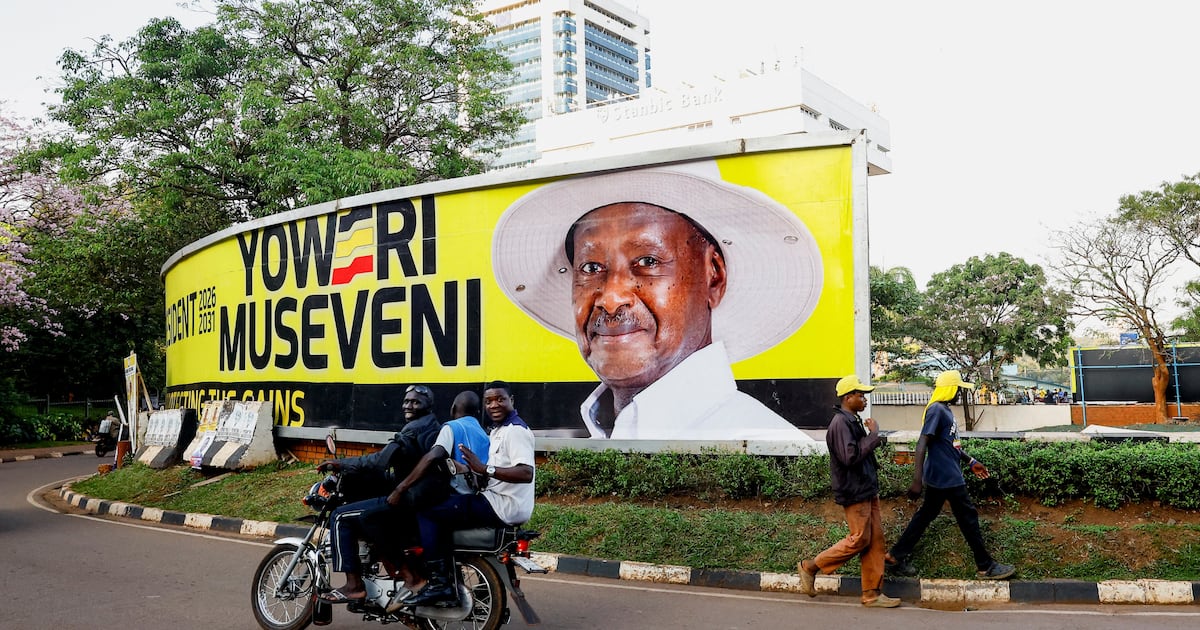
Uganda shut down internet access across the country Wednesday night, just hours before polls opened for a contentious presidential election. The unprecedented measure comes amid escalating tensions between longtime President Yoweri Museveni and his main challenger, pop star-turned-politician Bobi Wine.
Ugandan authorities framed the shutdown as necessary to prevent the spread of disinformation that could disrupt the electoral process. The Uganda Communications Commission ordered service providers to suspend all internet gateways until further notice, effectively cutting the nation’s 18 million internet users from both domestic and international online communication.
“The government has shut down the internet because they fear the people,” Wine told reporters at a press conference in Kampala. “They don’t want Ugandans to talk to each other. They don’t want Ugandans to reveal the fraud and irregularities that are already ongoing.”
Wine, whose real name is Robert Kyagulanyi, has emerged as the most significant challenger to Museveni’s 35-year rule. The 38-year-old former musician has galvanized young voters with his calls for political change in a country where more than 75 percent of the population is under 30 years old.
The internet blackout follows months of escalating restrictions on social media platforms and messaging services. In early January, Facebook removed several accounts linked to Uganda’s Ministry of Information, citing evidence they were being used to manipulate public debate ahead of the election. The government responded by blocking access to Facebook and other social media platforms.
International observers have expressed concern about the shutdown’s implications for electoral transparency. Sarah Jackson, Amnesty International’s Deputy Regional Director for East Africa, called the move “a blatant violation of the right to freedom of expression and access to information.”
“The blocking of social media platforms is clearly intended to silence the few accredited election observers, opposition politicians, human rights defenders, activists, journalists, and bloggers who are monitoring the elections,” Jackson said.
The shutdown has significant economic ramifications for Uganda, a growing technology hub in East Africa. The country has made substantial investments in digital infrastructure over the past decade, with tech startups and e-commerce businesses emerging as important economic drivers. Industry analysts estimate that each day of internet blackout costs the Ugandan economy approximately $6 million.
This disruption comes as Uganda already faces economic challenges from the COVID-19 pandemic. The World Bank projects that Uganda’s economic growth will slow to 2.9 percent in the 2020-2021 fiscal year, down from 5.6 percent the previous year, largely due to pandemic-related disruptions.
The shutdown also affects humanitarian operations in a country that hosts over 1.4 million refugees, primarily from South Sudan and the Democratic Republic of Congo. Aid organizations rely heavily on internet connectivity to coordinate relief efforts and maintain contact with field operations.
Uganda’s election pits 76-year-old Museveni, who has held power since 1986, against a field of 10 challengers, with Wine considered the most formidable. Museveni has defended the internet restrictions as a security measure against foreign interference.
“This is a matter of life and death. It’s not a matter of convenience or expression or just talking,” Museveni said in a televised address Tuesday. “We cannot tolerate the arrogance of anybody coming to decide for us who is good and who is bad.”
Election observers note that internet shutdowns have become increasingly common during African elections, with similar measures implemented in recent years in Tanzania, Ethiopia, and Zimbabwe. Digital rights advocates warn that such practices threaten democratic processes and violate international standards for free and fair elections.
Polling stations across Uganda will remain open until 4 p.m. local time, with results expected within 48 hours. With internet access severed, many Ugandans will rely on radio broadcasts and word of mouth for news about the outcome of this critical election that could determine the future direction of one of East Africa’s most influential nations.
Fact Checker
Verify the accuracy of this article using The Disinformation Commission analysis and real-time sources.

20 Comments
Shutting down the internet ahead of elections raises serious concerns about democratic freedoms and transparency. Voters should have unfettered access to information to make informed decisions.
I agree. Restricting internet access during a contentious election is a concerning move that can undermine the electoral process and public trust.
The internet shutdown in Uganda is a concerning development that could undermine the fairness and credibility of the upcoming election. Voters should have access to information to make informed choices.
I agree. Cutting off internet access is an authoritarian move that can conceal electoral fraud and irregularities from public scrutiny.
The Ugandan government’s decision to shut down the internet ahead of the election is a concerning move that could undermine the democratic process. Voters deserve unfettered access to information to make informed choices.
Agreed. Restricting internet access is an authoritarian tactic that can conceal electoral irregularities and prevent citizens from freely communicating and organizing.
It’s alarming to see the Ugandan government taking such drastic measures to control the flow of information ahead of the election. Transparent and free elections are a cornerstone of democracy.
Exactly. Restricting internet access is an undemocratic tactic that raises serious questions about the integrity of the electoral process in Uganda.
This internet blackout in Uganda is a worrying sign that the government may be trying to suppress information and dissent ahead of the election. Transparent and open communication is essential for a healthy democracy.
I agree. Cutting off internet access is an authoritarian move that can undermine the integrity of the electoral process and conceal potential irregularities from public scrutiny.
This internet shutdown in Uganda is a troubling development. Preventing open communication and information-sharing is a tactic often used to stifle dissent and consolidate power.
You’re right. Cutting off internet access is an authoritarian move that can silence opposition voices and hide election irregularities from the public.
The decision to shut down the internet in Uganda is a concerning move that raises questions about the government’s commitment to free and fair elections. Voters should have access to information to make informed choices.
Exactly. Restricting internet access is an undemocratic tactic that can prevent citizens from freely communicating, organizing, and exposing electoral irregularities.
This internet shutdown in Uganda is a worrying development that could undermine the fairness and credibility of the upcoming election. Transparent and open communication is essential for a healthy democracy.
You make a good point. Cutting off internet access is a tactic often used by authoritarian regimes to stifle dissent and consolidate power, undermining the democratic process.
This internet blackout in Uganda is a worrying sign. Restricting communication and information-sharing during an election is a tactic used to consolidate power and silence dissent.
You’re absolutely right. Denying citizens access to the internet is an undemocratic measure that raises serious questions about the integrity of the electoral process.
The Ugandan government’s decision to shut down the internet is a concerning development that could undermine the fairness and credibility of the upcoming election. Voters should have unimpeded access to information to make informed choices.
You’re right. Restricting internet access is a tactic often used by authoritarian regimes to silence dissent and consolidate power, which is deeply troubling for democracy in Uganda.