


Listen to the article
Türkiye Refutes Allegations of Supporting Daesh Terrorists
Türkiye’s Centre for Combating Disinformation (DMM) has issued a strong denial against claims spreading across social media platforms that the country supports Daesh terrorists. The allegations, which include assertions that such groups have committed violence against women, were labeled as “completely baseless” by Turkish officials on Sunday.
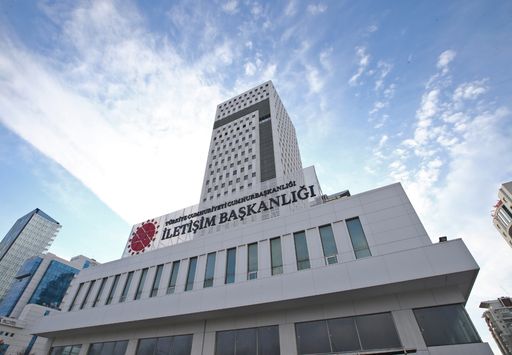
The DMM, which operates under Türkiye’s Directorate of Communications, released a statement on X (formerly Twitter) addressing what it described as a “deliberate disinformation campaign” designed to damage Türkiye’s international reputation and security efforts in the region.
“The images and posts alleging that Türkiye supports Daesh terrorists and that these terrorists are perpetrating violence against women are baseless,” the statement read, emphasizing that the footage being circulated had been deliberately misrepresented to mislead the public.
According to the DMM’s investigation, the video at the center of the controversy actually depicts female YPG militants surrendering to Arab tribal forces following clashes in the region—not Daesh fighters as claimed in the false social media narratives. This mischaracterization appears designed to associate Türkiye with terrorist groups that it has consistently opposed.
The timing of this misinformation campaign comes amid Türkiye’s continued military operations against various militant groups in northern Syria and Iraq. Since 2016, Türkiye has conducted several cross-border operations targeting both Daesh and Kurdish militant groups, which it considers terrorist organizations.
Türkiye has long maintained that it stands firmly against all forms of terrorism, including Daesh. The country has suffered multiple terrorist attacks attributed to Daesh, including the 2016 Istanbul airport bombing and the Reina nightclub attack on New Year’s Eve that same year. These attacks claimed dozens of lives and reinforced Türkiye’s commitment to combating the terrorist organization.
The false claims also emerge against the backdrop of complex regional dynamics in Syria, where Türkiye has been actively involved in military and diplomatic efforts. The country hosts approximately 3.6 million Syrian refugees, more than any other nation, and has established buffer zones along its southern border to address security concerns.
Security experts note that disinformation regarding Türkiye’s position on terrorist groups has been a recurring issue in recent years, often coinciding with critical phases of its military operations or diplomatic initiatives in the region.
“These kinds of false narratives are particularly dangerous because they can influence international perceptions and potentially impact cooperation between nations in counter-terrorism efforts,” said a regional security analyst who requested anonymity due to the sensitivity of the topic.
The DMM was established specifically to identify and counter such disinformation campaigns that target Türkiye. The organization regularly monitors social media platforms and news outlets for false claims that could harm national security or damage the country’s international standing.
Turkish officials have urged social media users to verify information through official channels before sharing content, particularly during times of heightened regional tension when disinformation tends to proliferate rapidly.
The incident highlights the growing challenge of combating digitally disseminated misinformation in conflict zones, where narrative control can be as strategically important as territorial control, and where distinguishing fact from fiction becomes increasingly difficult for outside observers.
Fact Checker
Verify the accuracy of this article using The Disinformation Commission analysis and real-time sources.

8 Comments
This seems like another case of misleading information being spread online. It’s important to verify claims and not spread unsubstantiated rumors, especially on sensitive geopolitical issues.
It’s concerning to see allegations of this nature being circulated, especially without clear evidence to support them. Turkey’s response seems warranted in calling out this apparent disinformation campaign.
This highlights the need for greater media literacy and critical thinking when it comes to information shared online. Relying on authoritative and credible sources is key to avoiding the spread of misinformation.
Carefully examining the sources and context behind these types of claims is crucial. Jumping to conclusions without solid evidence can lead to the spread of harmful misinformation.
Absolutely. Fact-checking and verifying information, especially on sensitive geopolitical issues, should be a priority to avoid perpetuating disinformation.
Turkey has been a key NATO ally in the fight against terrorist groups in the region. Accusations of supporting Daesh seem highly questionable and could be part of a disinformation campaign.
I agree, Turkey has taken significant actions against Daesh and other extremist groups. Dismissing these allegations as baseless seems justified based on the information provided.
While I don’t have a definitive opinion on this matter, I appreciate Turkey’s firm stance in refuting these claims and calling for a more rigorous examination of the evidence behind them.