


Listen to the article
Turkey has restricted access to dozens of social media accounts and removed online content as part of efforts to combat what officials describe as a coordinated disinformation campaign following recent attacks on Iran.
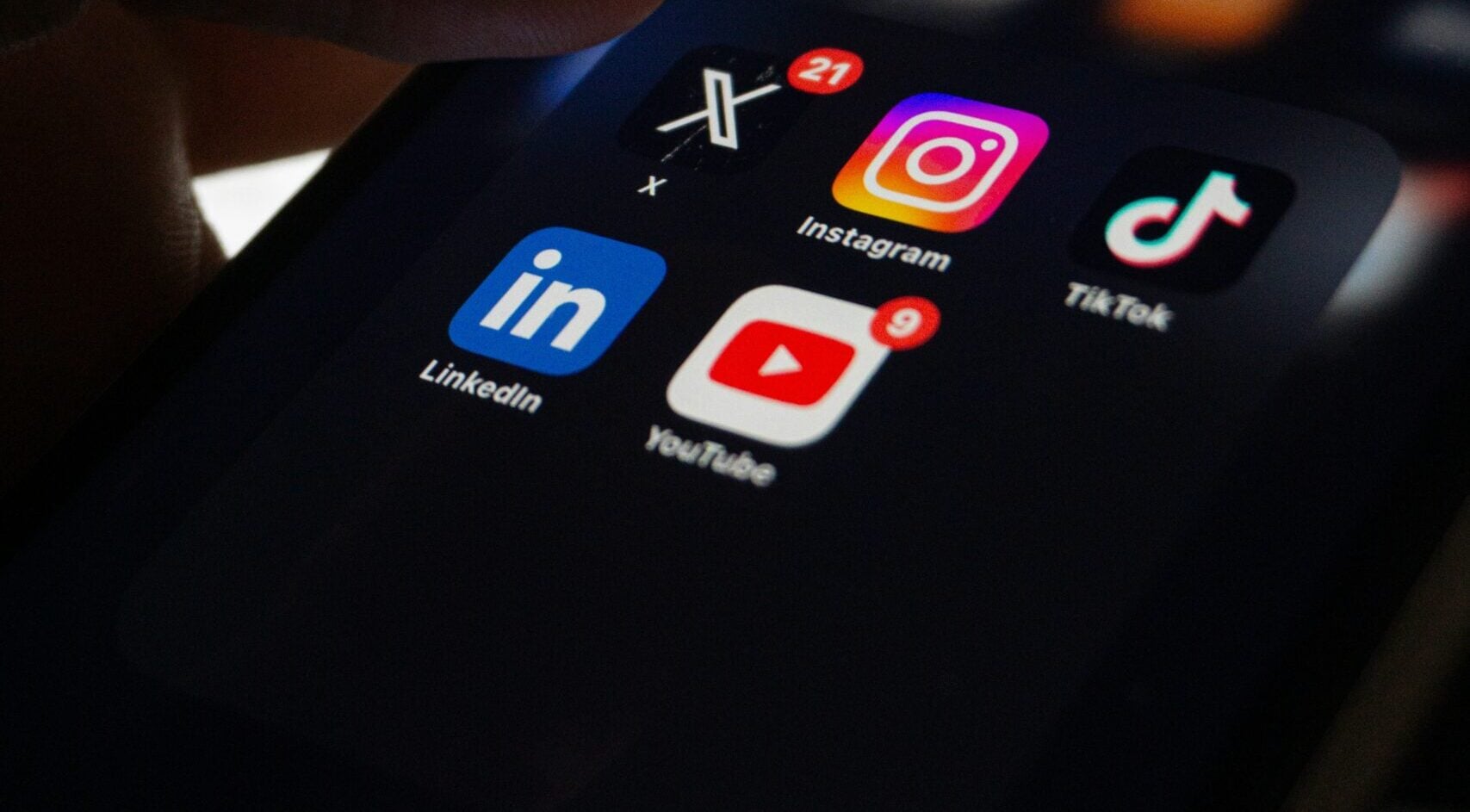
Presidential Communications Director Burhanettin Duran announced Friday that authorities had identified 41 social media accounts across X (formerly Twitter), Facebook, and Instagram that have been restricted, while 75 pieces of online content have been removed. The action comes amid what Turkish officials characterize as an “intense effort” to spread unverified information designed to create fear and undermine public trust.
“Since the first attacks on Iran, we have observed systematic attempts to spread panic and distrust among our citizens through digital platforms,” Duran stated in a post on X. He described the targeted content as deliberately provocative and aimed at weakening what Turkish officials commonly refer to as the “home front” – a term signifying domestic unity and stability during periods of security concern.
The crackdown involved coordinated action between multiple government agencies, including the Communications Directorate, the cybercrime division of the Security Directorate General, the Information and Communication Technologies Authority, and various public prosecutors’ offices throughout the country.
Duran indicated that legal proceedings have been initiated against account holders whose posts allegedly contained “criminal elements” or appeared to be part of psychological operations targeting Turkish citizens. Additional accounts remain under investigation, suggesting the scope of the crackdown may expand in coming days.
Turkey’s position in the region makes it particularly sensitive to developments in neighboring countries. As a NATO member that maintains complex relationships with both Western powers and regional players like Iran, the country often finds itself navigating complicated geopolitical waters. The recent escalation between Israel and Iran has heightened tensions throughout the Middle East, with Turkish officials concerned about potential spillover effects.
Media freedom observers have noted Turkey’s increasingly strict controls over online content in recent years. The country has implemented comprehensive social media regulations that require platforms to establish local offices and comply with content removal requests. Critics argue these measures have been used to silence legitimate political discourse, while government officials maintain they are necessary safeguards against misinformation and threats to national security.
“The Turkish state considers the digital sphere an inseparable part of national security,” Duran emphasized in his statement, highlighting the government’s view that online narratives can directly impact real-world stability and security concerns.
Turkey’s approach reflects a growing trend among governments worldwide to assert greater control over social media platforms during times of crisis or conflict. The practice raises questions about the balance between legitimate security concerns and rights to free expression online.
The country’s strategic position – sharing borders with Syria, Iraq, and Iran – makes it particularly vulnerable to regional instability. Turkish officials have repeatedly expressed concerns about how external conflicts might affect domestic security, especially given the country’s experiences with terrorism and its hosting of millions of refugees from neighboring conflicts.
As the situation in the Middle East continues to evolve, Turkey’s monitoring of online content is likely to remain stringent, with authorities indicating they will maintain vigilance against what they perceive as attempts to manipulate public opinion during a sensitive geopolitical period.
Neither the specific accounts affected nor examples of the removed content were disclosed in Duran’s announcement, making independent assessment of the alleged disinformation difficult.
Fact Checker
Verify the accuracy of this article using The Disinformation Commission analysis and real-time sources.

8 Comments
As someone invested in the mining and commodities sector, I’m curious to see how this crackdown on ‘disinformation’ might impact public perceptions and discussions around issues like Iran’s energy and mineral resources. Transparency from the government will be key to maintaining trust.
The need to combat disinformation is understandable, but blocking social media accounts is a concerning tactic that could set a precedent for censorship. I hope Turkish authorities can find ways to address the problem without unduly infringing on freedom of expression.
Restricting social media during times of conflict is a complex issue. While I appreciate the government’s aim to maintain domestic stability, I worry about the potential for overreach and the chilling effect on legitimate public discourse. Careful oversight will be crucial.
Well said. Balancing national security and civil liberties is never easy, but it’s critical that any restrictions on online activity are proportionate, transparent, and subject to robust checks and balances.
This highlights the challenges governments face in the digital age when it comes to managing the spread of unverified information, especially during periods of heightened tension. I’m curious to learn more about the specific tactics and content that Turkish officials deemed as deliberately provocative.
Agreed, the details around the targeted accounts and content would be helpful to better understand the rationale behind these measures. Transparency is key when restricting online activity, even for national security reasons.
Interesting move by Turkey to combat disinformation during this sensitive geopolitical situation. Spreading panic and undermining public trust is concerning, so I understand the need for action. However, the crackdown on social media raises questions about balancing security and free expression.
You raise a good point. It’s a delicate balance, and authorities will need to be transparent about their criteria and process to maintain public confidence.