


Listen to the article
British Digital Hate Campaigners Face US Visa Ban Amid Free Speech Controversy
Two British activists who campaign against online hate speech and misinformation have been denied entry to the United States, caught in the crossfire of an escalating transatlantic dispute over digital content regulation.
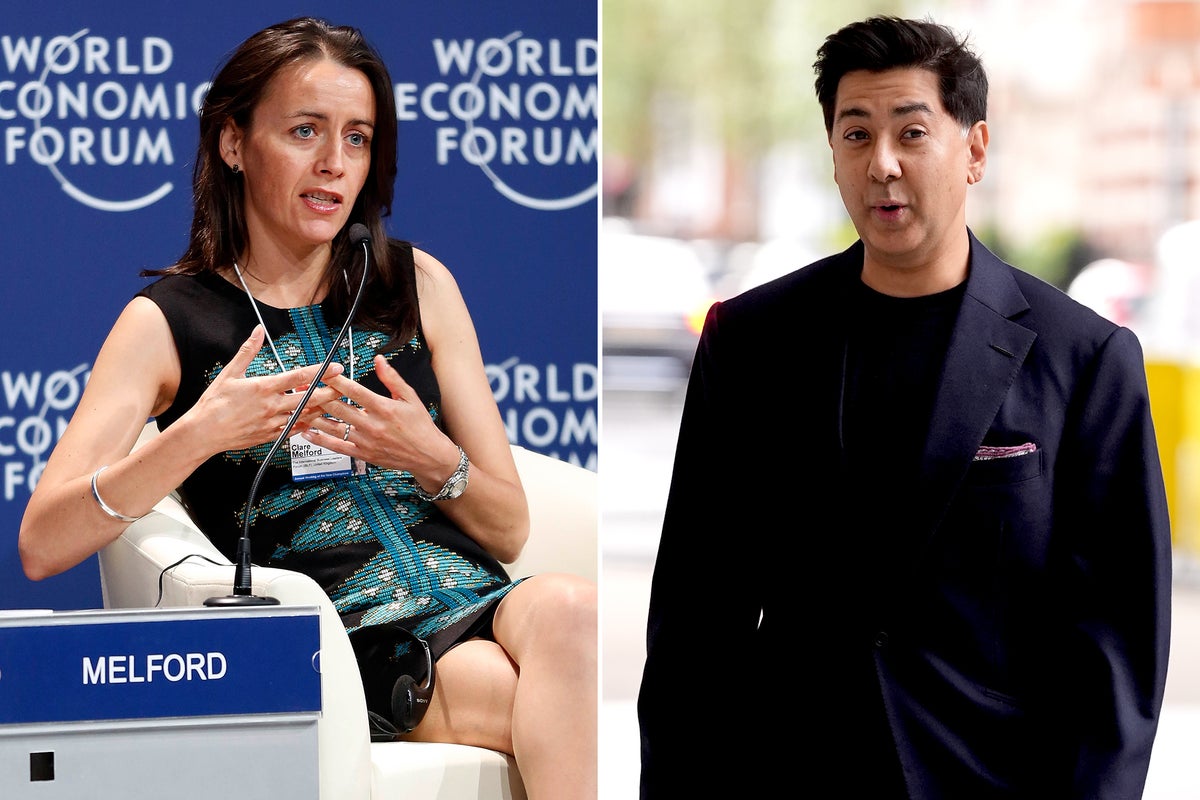
Imran Ahmed, chief executive of the Centre for Countering Digital Hate (CCDH) and former adviser to Labour minister Hilary Benn, along with Clare Melford, CEO of the Global Disinformation Index (GDI), were among five Europeans barred from entering the US under a controversial decision by the Trump administration.
US Secretary of State Marco Rubio characterized the pair as “radical activists” who had led “organised efforts to coerce American platforms to censor, demonetise, and suppress American viewpoints they oppose.” He further claimed these individuals had “advanced censorship crackdowns by foreign states – in each case targeting American speakers and American companies.”
The visa denial has significant implications for Ahmed, who reportedly operates from CCDH’s Washington office and now faces potential deportation. His ties to the current UK government add a layer of political sensitivity to the situation, as Sir Keir Starmer’s influential chief of staff, Morgan McSweeney, previously served as a director at CCDH until 2020.
Three other Europeans faced similar visa bans: Thierry Breton, who recently served as European Commissioner for the Internal Market, and two senior figures from the German nonprofit organization HateAid. The move represents a dramatic escalation in US opposition to European digital regulation efforts.
The visa bans appear directly linked to the Trump administration’s campaign against the European Union’s Digital Services Act (DSA), a landmark regulatory framework designed to combat harmful online content including hate speech, misinformation, and disinformation. US officials have instructed diplomats to actively oppose the legislation, arguing it infringes upon free speech principles and imposes undue financial burdens on technology companies.
In response to the visa denials, the UK government issued a measured statement, affirming it is “fully committed to upholding the right to free speech” while noting that “every country has the right to set its own visa rules.” The statement added, “We support the laws and institutions which are working to keep the internet free from the most harmful contact. Social media platforms should not be used to disseminate child sex abuse material, incite hatred and violence, or spread fake information and videos for that purpose.”
European reactions have been more forceful. The European Commission “strongly condemns the US decision,” emphasizing that “freedom of expression is a fundamental right in Europe and a shared core value with the United States across the democratic world.”
French President Emmanuel Macron characterized the visa bans as “intimidation and coercion aimed at undermining European digital sovereignty.” He defended EU digital regulations as measures to “ensure fair competition among platforms, without targeting any third country, and to ensure that what is illegal offline is also illegal online.”
Germany’s justice ministry expressed “support and solidarity” with the banned German nationals, calling the visa restrictions “unacceptable” and rejecting the characterization of European content moderation as censorship.
Jonathan Hall KC, the UK’s independent reviewer of terror legislation, highlighted the extraordinary nature of the US action, telling Times Radio, “Sanctions are generally reserved for really serious matters of foreign policy where a country feels that its own interests are being severely threatened or where the world order feels threatened.”
The dispute underscores fundamental differences in how the US and Europe approach online speech regulation, with potential long-term implications for transatlantic digital policy cooperation and the global future of content moderation.
Fact Checker
Verify the accuracy of this article using The Disinformation Commission analysis and real-time sources.

15 Comments
The Trump administration’s decision to bar these activists from entering the US is troubling and seems to undermine the very principles of free expression they claim to defend. Combating online harms is important, but this heavy-handed approach risks further inflaming the debate.
It’s a complex issue with valid concerns on both sides. While the activists’ advocacy for greater content moderation may be controversial, the Trump administration’s decision to bar them from entering the US is a concerning step that could set a dangerous precedent. Transparency and due process are crucial here.
Agreed, this move seems heavy-handed and risks further polarizing an already contentious debate. Upholding free speech principles should be the priority, even as we grapple with the challenges of online harms and misinformation. A measured, balanced approach is needed.
This is a complex issue with valid concerns on both sides. While online hate and disinformation are real problems, using visa bans to target activists sets a dangerous precedent. Upholding free speech principles should be paramount, even as we grapple with content moderation challenges.
This case highlights the ongoing tensions around content regulation and the role of social media platforms. While the activists’ work may be controversial, denying them entry to the US is a concerning overreach that could backfire and embolden those who feel their voices are being silenced.
This situation highlights the growing tensions around content moderation and the delicate balance between free speech and online safety. While the activists’ work may be controversial, denying them entry to the US is an aggressive step that could backfire and further inflame the debate. Transparency and due process should be the priority.
It’s a complex issue – freedom of speech vs. content moderation. Both sides likely have valid points, but a heavy-handed approach like this could backfire and further inflame the debate. Curious to see how this dispute plays out and what the broader implications are.
Agreed, it’s a delicate balance. Reasonable people can disagree on where to draw the line between free expression and harmful content. Hopefully cooler heads can prevail and find a measured solution that respects principles of free speech.
This is a concerning development that seems to pit free speech against efforts to combat online misinformation and hate. While the latter is important, using visa bans to target activists sets a worrying precedent. Transparency and due process should be the priority here.
Interesting that these activists, who advocate for greater content moderation, are now facing restrictions themselves. It highlights the delicate balance between free expression and managing harmful online content. I’d be curious to learn more about the specific rationale behind this decision.
Agreed, the irony is not lost. This seems like an aggressive and potentially counterproductive move by the Trump administration. Reasonable people can disagree on content moderation, but banning activists from entering the country is a concerning escalation.
This story underscores the growing tensions around content regulation on digital platforms. It’s a minefield with valid concerns on both sides. I’m curious to hear more perspectives on where the line should be drawn and what the appropriate role of government should be, if any.
Agreed, it’s a complex issue with no easy answers. Free speech advocates will be troubled by this move, while those concerned about online harms may see it as a necessary step. Hopefully the debate can happen in a constructive way that upholds democratic principles.
This is a concerning situation and raises important questions around free speech, censorship, and the role of social media platforms. While combating online hate and disinformation is important, it seems the Trump administration may have overstepped in barring these activists from entering the US.
From what I can tell, these activists have a track record of pushing social media platforms to crack down on certain content and viewpoints. While that may be well-intentioned, denying them entry to the US sets a concerning precedent. Transparency and due process are important here.