


Listen to the article
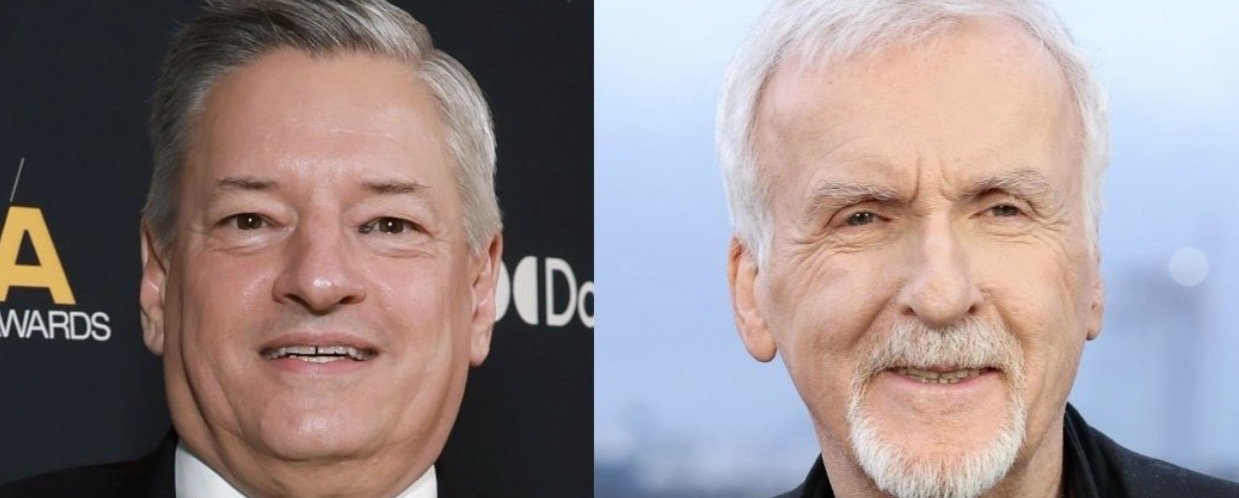
Netflix Co-CEO Clashes with James Cameron Over Warner Bros. Merger Opposition
Netflix Co-CEO Ted Sarandos has publicly criticized acclaimed filmmaker James Cameron for opposing the potential Netflix-Warner Bros. Discovery merger, escalating tensions between streaming platforms and traditional theatrical advocates.
“I am particularly surprised and disappointed that James chose to be part of the Paramount disinformation campaign that’s been going on for months about this deal,” Sarandos told Fox Business in a pointed response to Cameron’s recent actions.
The dispute emerged after Cameron, director of some of Hollywood’s highest-grossing films including “Avatar” and “Titanic,” sent a letter to Senator Mike Lee of Utah, who chairs the Senate subcommittee on antitrust. In his correspondence, Cameron expressed deep concerns about the proposed merger, suggesting it would rapidly transform the theatrical industry into a “sinking ship.”
This confrontation highlights the growing divide between streaming-focused executives and filmmakers committed to preserving traditional theatrical exhibition. Cameron has consistently positioned himself as a champion of the theatrical experience, having previously criticized Netflix’s limited theatrical release strategies even before the Warner Bros. deal was proposed.
The filmmaker has been vocal about his opposition to Netflix’s approach to cinema, particularly taking issue with what he perceives as the streaming giant’s dismissive attitude toward theatrical releases as an “outmoded idea”—a position Cameron considers detrimental to the film industry’s ecosystem.
Sarandos, defending Netflix’s intentions, reiterated commitments he made under oath regarding theatrical windows for Warner Bros. films should the merger proceed. “I have talked about that commitment in the press, countless times,” he stated. “I swore under oath in front of the Senate subcommittee on antitrust that that’s what we were doing.”
The Netflix executive elaborated on these promises, specifying that Warner Bros. films would receive 45-day theatrical windows before transitioning to premium video-on-demand (PVOD) platforms, and only afterward becoming available on HBO Max for streaming.
Despite these assurances, skepticism remains prevalent throughout the industry. A recent poll indicated that 78% of respondents believe Sarandos is not being truthful about his theatrical release intentions, with only 22% expressing confidence in his promises.
The clash between Sarandos and Cameron represents more than a personal disagreement; it symbolizes the fundamental tension reshaping Hollywood as streaming services continue disrupting traditional distribution models. The potential Netflix-Warner Bros. Discovery merger has become a flashpoint in this ongoing transformation, with significant implications for how films reach audiences.
Industry analysts note that this dispute occurs against the backdrop of a theatrical exhibition sector still recovering from pandemic-related disruptions and struggling to adapt to changing consumer viewing habits. Major studios and filmmakers remain divided on the optimal balance between theatrical exclusivity and streaming availability.
For Cameron, whose career has been defined by technological innovation paired with a commitment to theatrical spectacle, the preservation of cinema as a communal, big-screen experience appears non-negotiable. His intervention in the regulatory process signals the high stakes involved for filmmakers concerned about their creative works’ presentation and financial models.
As regulatory scrutiny of the proposed merger continues, this public disagreement between one of streaming’s most powerful executives and one of Hollywood’s most commercially successful directors underscores the complex considerations facing policymakers evaluating the deal’s potential impact on the entertainment landscape.
The outcome will likely influence not just the business structures of major entertainment companies but also shape how audiences experience films for years to come.
Fact Checker
Verify the accuracy of this article using The Disinformation Commission analysis and real-time sources.

10 Comments
The movie industry is going through a major transition. It’s understandable that established filmmakers like Cameron would want to preserve the traditional theatrical experience.
At the same time, streaming platforms have provided new opportunities for content creators. Hopefully a balanced approach can be found.
This dispute highlights the tensions between tech/streaming and traditional Hollywood. Both sides have compelling arguments, but finding the right path forward won’t be easy.
Curious to see if they can find a compromise that works for filmmakers, studios, and audiences.
This power struggle between streaming and cinema will have major implications for the future of the movie industry. Lots of complex factors at play.
Curious to see if the two sides can find a mutually beneficial solution, or if this conflict will only intensify.
Interesting clash between streaming and traditional cinema. Curious to see how this power struggle plays out and if there’s room for both to thrive.
Definitely a complex issue with valid concerns on both sides. Time will tell if they can find a middle ground.
Sarandos’ strong words suggest Netflix is digging in on this issue. But Cameron has a point about preserving the theatrical experience. Hard to predict how this will play out.
Hopefully they can find a middle ground that supports both streaming and traditional cinema in a balanced way.