


Listen to the article
In a bold move to counter growing international threats, Sweden established its Psychological Defense Agency (PDA) two years ago, marking a significant step in the nation’s efforts to combat disinformation and psychological warfare campaigns targeting its citizens and institutions.
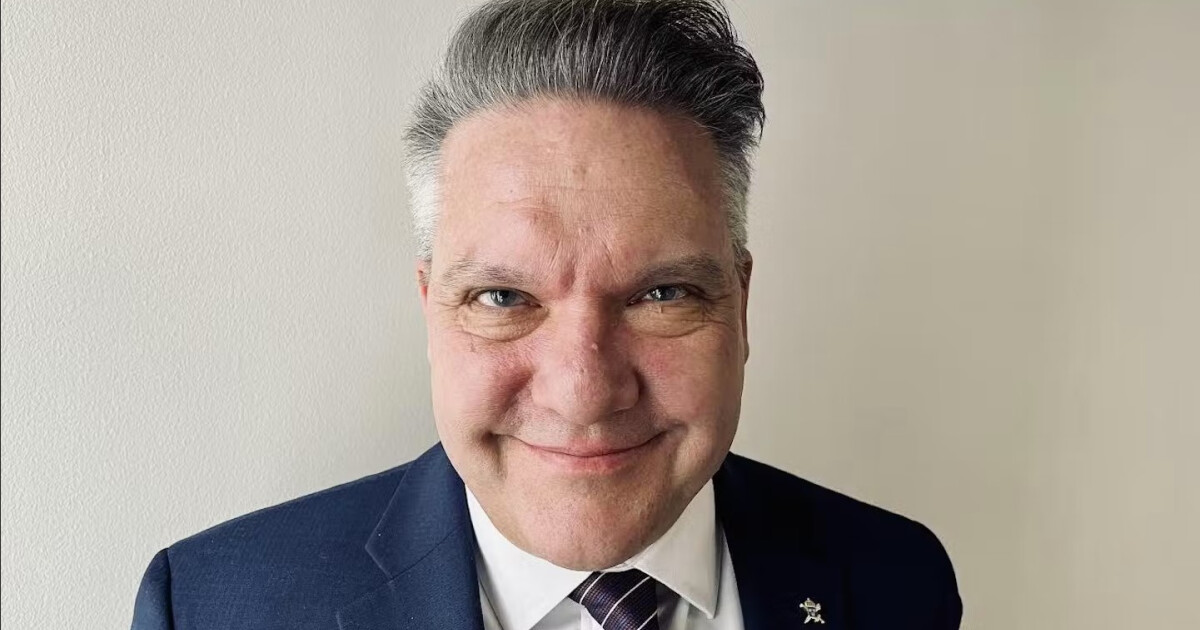
Frederick Fooy, a representative from the agency, notes that both China and Russia have substantially ramped up their propaganda activities abroad in recent years. These campaigns aim to influence public opinion, undermine democratic institutions, and sow discord in Western societies.
“Fortunately, these efforts are not always well coordinated,” Fooy explains, highlighting a weakness that allows counter-disinformation experts to identify and neutralize malign influence operations.
Sweden’s decision to create a dedicated state agency reflects the growing recognition among Western democracies that information warfare represents a serious national security threat. The PDA’s establishment came against the backdrop of increasing tensions with Russia, particularly following Moscow’s full-scale invasion of Ukraine, and China’s more assertive global posture.
The agency combines elements of public education, strategic communication, and coordination with other government bodies to build societal resilience against foreign influence operations. This whole-of-society approach represents an evolution in thinking about national defense, where protecting the information space is viewed as critical as traditional military capabilities.
Sweden has particular reason to be vigilant. The Nordic country’s application to join NATO following Russia’s invasion of Ukraine made it a specific target for Russian disinformation. Meanwhile, China has shown increasing interest in the Arctic region and has deployed influence operations in countries that criticize its human rights record.
Sweden’s approach differs from that of some other European countries. Rather than focusing primarily on content removal or platform regulation, the Swedish model emphasizes building citizen resilience and critical thinking skills. This strategy acknowledges that in an open democracy, the best defense against propaganda is an informed public capable of identifying manipulation attempts.
“We’re not fighting against specific countries,” Fooy clarifies. “We’re protecting our democratic system and the right of Swedish citizens to form their own opinions based on accurate information.”
The PDA monitors foreign influence campaigns across traditional and social media platforms, identifying patterns of coordinated inauthentic behavior. When necessary, the agency works with other government departments to issue alerts or clarifications to the public.
Intelligence experts have identified several tactics employed by foreign actors, including amplifying existing societal divisions, creating false narratives around controversial topics, and targeting influential individuals with personalized disinformation. The sophistication of these operations has grown with the advent of artificial intelligence and deepfake technologies.
International cooperation forms an essential part of Sweden’s strategy. The PDA works closely with similar agencies in Finland, the Baltic states, and other EU countries to share intelligence and best practices. This collaboration is crucial as disinformation campaigns rarely target single countries in isolation.
Sweden’s proactive stance has garnered attention from other democracies facing similar challenges. Representatives from countries across Europe, Asia, and North America have visited Stockholm to learn from the Swedish model.
As digital technologies continue to evolve and geopolitical tensions persist, the role of agencies like the PDA is likely to become increasingly important. The battle against disinformation represents a new frontier in national security, one fought not with traditional weapons but with facts, transparency, and citizen engagement.
“In the end,” Fooy concludes, “our greatest strength is an informed citizenry that values truth and understands how manipulation works. That’s what we’re building.”
Sweden’s experience offers valuable lessons for other democracies grappling with the challenge of foreign disinformation, suggesting that alongside technical solutions, building societal resilience may be the most sustainable defense against information warfare in the digital age.
Fact Checker
Verify the accuracy of this article using The Disinformation Commission analysis and real-time sources.

9 Comments
It’s encouraging to see Sweden taking a leadership role in addressing disinformation. The creation of a dedicated agency signals that they understand the gravity of the situation and are committed to protecting their democratic institutions.
You make a good point. As tensions with Russia and China escalate, the need for effective counter-disinformation measures becomes increasingly pressing for Western democracies. Sweden’s proactive approach could serve as a model for other nations.
Public education and awareness-building seem like crucial components of Sweden’s counter-disinformation efforts. Empowering citizens to identify and resist malign influence operations is key to strengthening societal resilience.
Absolutely. Inoculating the public against the effects of disinformation is just as important as neutralizing the source. Equipping people with the critical thinking skills to spot and reject propaganda is a wise investment in democratic safeguards.
Interesting to see Sweden taking a proactive approach to combating disinformation. Establishing a dedicated agency shows they recognize the growing threat of information warfare and are willing to invest resources to protect their citizens and institutions.
I’m curious to learn more about the specific tactics and strategies the Swedish PDA will employ to combat disinformation. Coordinating a national response to this complex challenge will require a multi-faceted approach.
It’s reassuring to see Sweden taking such a proactive stance on this issue. Establishing a dedicated agency demonstrates a clear understanding of the threats posed by information warfare and a willingness to dedicate the necessary resources to address them.
I’m glad to hear Sweden is taking the issue of disinformation seriously. With rising tensions between the West and adversaries like Russia and China, it’s critical that democracies have robust defenses against malicious propaganda campaigns.
Agreed. The fact that these efforts are not always well-coordinated presents an opportunity for Sweden’s PDA to identify and neutralize them. Hopefully other nations will follow suit in strengthening their counter-disinformation capabilities.