


Listen to the article
Russian Intelligence Unmasked in Plot to Inflame Ukrainian-Hungarian Relations
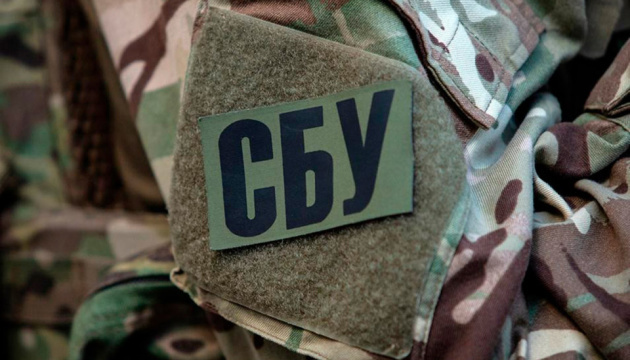
The Security Service of Ukraine (SSU) has exposed a sophisticated Russian intelligence operation designed to destabilize Ukraine’s western Zakarpattia region and drive a wedge between Ukraine and Hungary. The operation specifically targeted the region’s Hungarian minority through a series of threatening phone calls.
Ukrainian counter-intelligence officials discovered that Russian operatives have been employing “caller ID spoofing” technology via IP telephony to disguise their true location. This technique allows callers to manipulate their displayed phone number, making it appear as though calls are originating from within Ukraine rather than Russia.
“During these calls, unidentified individuals, posing as members of ‘national-patriotic groups’ and even as law enforcement officers of our state, demanded that community representatives leave Ukraine and threatened them with physical violence,” the SSU reported in an official statement.
Technical analysis conducted by Ukrainian security services has definitively traced the source of these calls to Russian territory, confirming suspicions of Moscow’s direct involvement in the operation.
This incident occurs against a backdrop of already strained relations between Ukraine and Hungary. The Hungarian minority in Zakarpattia, numbering approximately 150,000 people, has been a point of diplomatic tension between the two neighboring countries for years, particularly regarding language rights and education policies.
The timing of this Russian information operation appears strategic, coming amid heightened tensions between Kyiv and Budapest over the Druzhba oil pipeline. Hungary, which remains heavily dependent on Russian energy despite EU sanctions, has been vocal in its opposition to disruptions in Russian oil supplies through Ukrainian territory.
Russia has historically exploited ethnic tensions in former Soviet republics and Eastern European countries as part of its broader strategy to maintain influence in what it considers its “near abroad.” The targeting of the Hungarian minority represents a classic example of what security experts call “wedge strategy” – driving divisions between NATO and EU members to weaken Western unity on Ukraine.
The SSU has launched countermeasures to block this disinformation campaign and urged citizens to remain vigilant against such provocations. Ukrainian authorities have requested that individuals who receive suspicious calls or threats immediately report them to law enforcement.
“This operation demonstrates Russia’s continued efforts to destabilize Ukraine not only through military means but also through information warfare,” said a regional security analyst who requested anonymity due to the sensitivity of the matter. “By attempting to inflame tensions between ethnic Hungarians and Ukrainians, Moscow hopes to create another front of instability for Kyiv to manage during wartime.”
This is not the first time Russian intelligence has been implicated in information operations targeting Ukraine’s west. Similar campaigns have previously focused on Polish-Ukrainian relations and alleged separatist sentiments in the region.
The SSU has intensified its counter-intelligence efforts in border regions since the full-scale invasion began in February 2022, recognizing that information warfare remains a critical component of Russia’s hybrid war against Ukraine.
Meanwhile, Ukrainian diplomats are likely to engage with their Hungarian counterparts to share intelligence about this operation, hoping to prevent Russian disinformation from further complicating bilateral relations already strained by differences over EU and NATO policy toward the Russia-Ukraine conflict.
Security experts warn that such information operations may intensify as Russia seeks to exploit any potential divisions among Ukraine’s international partners, particularly as the war continues with no immediate end in sight.
Fact Checker
Verify the accuracy of this article using The Disinformation Commission analysis and real-time sources.

7 Comments
Wow, this is a serious escalation of Russia’s disinformation tactics. Targeting minority communities to sow discord and instability is a tried-and-true Kremlin strategy. I’m glad the Ukrainian security services were able to expose this campaign and trace it back to Russian operatives.
This is a troubling revelation, but not entirely unexpected given Russia’s history of using disinformation and subversion tactics. The targeting of the Hungarian minority in Zakarpattia is particularly concerning and speaks to Moscow’s willingness to exploit any potential fault lines within Ukrainian society.
I’m glad the Ukrainian security services were able to trace these calls back to Russia. Caller ID spoofing is a common tactic used by foreign intelligence agencies to obscure the true origins of their influence operations. Kudos to the SSU for exposing this campaign and shedding light on Russia’s continued aggression against Ukraine.
The Russian playbook of sowing discord and division within Ukraine is well-documented. Targeting minority communities like the Hungarians in Zakarpattia is a particularly insidious approach. I hope the Ukrainian government can effectively counter this disinformation campaign and maintain stability in the region.
Absolutely. Protecting vulnerable communities from these kinds of hybrid warfare tactics should be a top priority. The Ukrainian authorities will need to remain vigilant and proactive in order to blunt the impact of Russia’s malign influence operations.
The use of caller ID spoofing to disguise the origin of these threatening calls is a concerning development. It shows how sophisticated Russia’s propaganda and influence operations have become. Kudos to the SSU for uncovering this plot – maintaining social cohesion is crucial during wartime.
Agreed. The Kremlin is clearly ramping up its efforts to destabilize Ukraine on multiple fronts. Protecting vulnerable communities from these kinds of coordinated attacks should be a top priority for Ukrainian authorities.