


Listen to the article
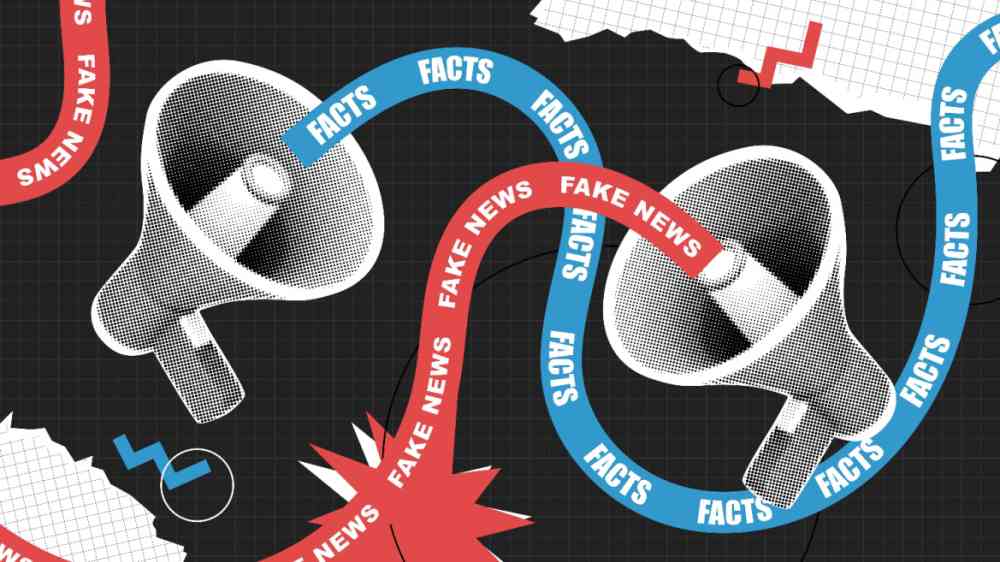
In a significant move toward digital accountability, Spain and Italy are joining the European Union in confronting the growing threat of climate disinformation. These initiatives come in response to increasing concerns about the deliberate spread of false information during critical events like the ten-hour power outage that affected the Iberian Peninsula in April 2025.
The blackout triggered a flood of digital disinformation reminiscent of the 2021 Texas power crisis, when renewable energy was falsely blamed instead of the actual cause: frozen fossil fuel infrastructure. These incidents highlight a troubling pattern where crisis situations become opportunities for spreading misinformation.
Experts emphasize that climate disinformation is not accidental but carefully engineered. It requires both human agents and technological amplification to reach wide audiences. The public relations industry often creates this content, while professional propagandists distribute it across digital platforms whose algorithms favor sensational and divisive content that drives user engagement and advertising revenue.
The European Union recently took a major step by endorsing the UN Declaration on Information Integrity on Climate Change. This endorsement signals a fundamental shift in understanding the climate crisis as both an environmental and informational emergency. The declaration commits governments to protecting science-based climate information, supporting independent journalism, improving transparency, and actively countering disinformation that undermines public understanding of climate issues.
“Without trustworthy information, climate policy cannot succeed,” noted one EU official familiar with the initiative. The declaration provides a framework that gives teeth to existing EU regulatory mechanisms, particularly the Digital Services Act (DSA), which has already been used to penalize major social media companies for failures in content governance.
Meanwhile, local governments are finding additional ways to combat misinformation. Cities like The Hague and Amsterdam in the Netherlands, and most recently Florence in Italy, have implemented bans on fossil fuel advertising. These measures draw inspiration from successful regulatory approaches used against the tobacco industry, aiming to protect the public from both harmful products and the deceptive marketing used to sell them.
Spain has emerged as a particularly bold leader in this space, announcing plans to intensify platform accountability following the EU’s endorsement of the UN Declaration. The Spanish initiative goes beyond surface-level content moderation to establish legal responsibility for platform executives, criminalize algorithmic amplification of illegal content, track polarization metrics, and strengthen online protections for minors.
Public opinion appears to support these measures. Polling conducted by the Climate Action Against Disinformation coalition found that while many Spanish citizens had encountered false claims during the 2025 blackout, an overwhelming majority expressed support for holding technology companies accountable for the spread of misinformation.
These European efforts face significant headwinds, however. In the United States, lawmakers aligned with the MAGA movement have targeted the EU’s Digital Services Act, attempting to weaken regulations designed to hold technology companies accountable. This political pushback underscores the global nature of the struggle over information integrity and digital accountability.
Industry observers note that the stakes extend beyond climate policy. The proliferation of conspiracy theories, denial of scientific consensus, and manufactured outrage threatens to undermine trust in public institutions, democratic processes, and expert knowledge more broadly.
The coordinated action across Spain, Italy, and EU institutions represents a growing recognition that democratic societies must balance technological innovation with public safety and information integrity. By establishing clear regulatory frameworks and consequences for platforms that amplify harmful content, these European initiatives are creating a potential model for how democracies worldwide might defend factual information at scale.
“Spain’s reforms recognize that public safety, truth, and democratic stability must not be sacrificed for the sake of profit,” commented a spokesperson for a European digital rights organization. As these policies take effect, they will likely serve as important test cases for the effectiveness of government intervention in promoting information integrity around climate change and other critical issues.
Fact Checker
Verify the accuracy of this article using The Disinformation Commission analysis and real-time sources.

8 Comments
This is a welcome development. Climate disinformation poses a serious threat, and I’m glad to see governments taking concerted steps to address it. Fact-based policymaking and public discourse are essential.
Agreed. Combating disinformation should be a top priority, as it can undermine critical efforts to tackle climate change and other pressing environmental challenges.
This is an important move to combat the growing threat of climate disinformation. It’s critical that governments take action against the deliberate spread of false information, which can have real consequences during crisis situations.
Agreed. Disinformation can be incredibly damaging, especially when it comes to issues like climate change that require urgent, science-based action.
While I’m encouraged by these measures, I hope they are effectively implemented and enforced. Disinformation campaigns can be highly sophisticated, so a multi-pronged approach will likely be needed to curb their influence.
Kudos to Spain and Italy for joining the EU in this effort. Misinformation and propaganda around climate change need to be aggressively addressed, as they can derail crucial policy decisions and public understanding.
Absolutely. The public deserves access to accurate, fact-based information on these vital issues. Measures to counter disinformation campaigns are long overdue.
The power outage incident highlights how crisis situations can be exploited to spread falsehoods. It’s concerning that such deliberate disinformation campaigns are being engineered by PR firms and propagandists. Robust action is needed.