


Listen to the article
South Korean President’s Comments on Israel Spark Diplomatic Row
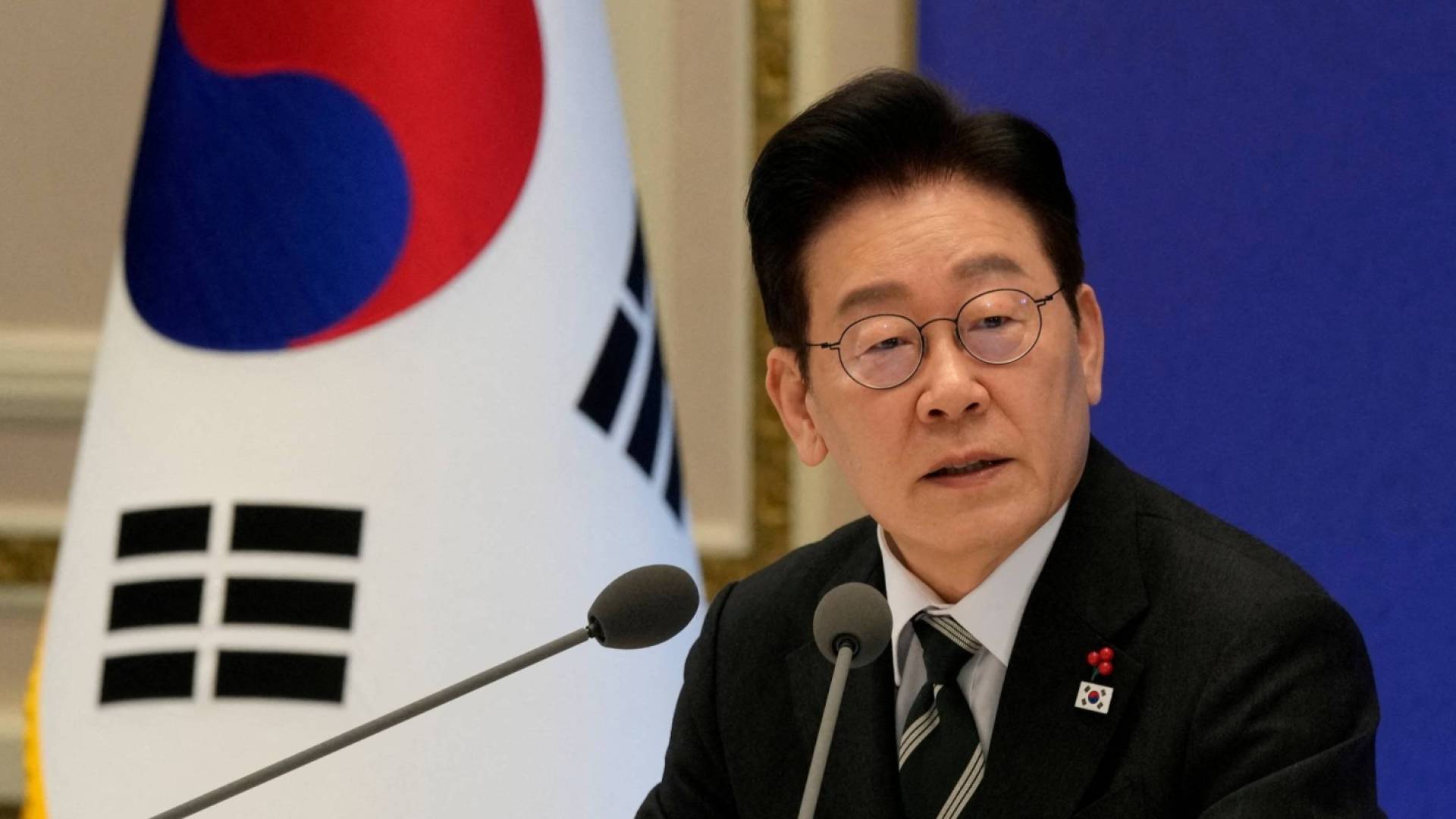
A diplomatic dispute has erupted between South Korea and Israel after President Lee Jae Myung criticized Israel over alleged human rights abuses, refusing to back down despite Israeli objections that his claims were based on outdated and misrepresented information.
The controversy began when Lee shared comments on social media referencing a video that he claimed showed Israeli soldiers abusing a Palestinian child and pushing him off a roof. The South Korean leader later acknowledged the need to verify the footage’s authenticity but maintained that such concerns warranted serious examination.
Israel’s foreign ministry swiftly rejected Lee’s characterization, stating that the incident had already been investigated and addressed. According to diplomatic sources, Israeli officials accused the South Korean president of amplifying disinformation from a social media account known for spreading false narratives about Israel.
The video at the center of the dispute could not be independently verified by AFP. However, reporting suggests it appears to show a different angle of an incident captured by AFPTV approximately two years ago in the occupied West Bank, where an Israeli soldier was recorded using his foot to push the body of a reportedly dead adult man—not a child—off a roof.
In 2024, the original footage prompted concern from the White House, which described it as “deeply disturbing” and called for clarification from Israel amidst ongoing military operations in the West Bank, a territory that has been under Israeli occupation since 1967.
Rather than retreat from his comments, President Lee doubled down on his criticism of Israel’s response. In a follow-up statement on social media, he expressed disappointment that “the international community’s concerns over alleged human rights violations were not being reflected upon” by Israeli authorities.
“When I am in pain, others feel that pain just as deeply,” Lee wrote, emphasizing his call for accountability and further investigation of the allegations.
South Korea’s foreign ministry has attempted to contain the diplomatic fallout, clarifying that Lee’s comments were intended as a broader statement on universal human rights principles rather than a specific accusation against Israel. Officials in Seoul have emphasized South Korea’s traditionally balanced position on Middle East conflicts and its strong alliance with the United States, Israel’s key international partner.
The incident highlights the increasingly complex diplomatic terrain surrounding the Israeli-Palestinian conflict, with leaders worldwide facing pressure to take positions on allegations of human rights abuses. South Korea has historically maintained measured diplomatic positions on Middle East issues while focusing on its economic and security partnerships in the region.
The dispute comes at a sensitive time for Israel, which faces growing international scrutiny over its military operations in both Gaza and the West Bank. Human rights organizations have documented numerous incidents of alleged abuses during these operations, though Israeli authorities typically reject such characterizations and maintain that their forces operate within the bounds of international law.
For South Korea, the exchange marks an unusual diplomatic confrontation with Israel, a country with which it has maintained cordial relations focused primarily on economic and technological cooperation. President Lee, who took office with a reputation for outspoken positions on international issues, appears unwilling to retreat from his stance despite the diplomatic pushback.
Analysts suggest this dispute could potentially complicate bilateral relations between the two countries, which have worked to expand trade ties in recent years, particularly in the technology and defense sectors. However, the immediate practical impact on these relationships remains unclear as both nations navigate this unexpected diplomatic tension.
Fact Checker
Verify the accuracy of this article using The Disinformation Commission analysis and real-time sources.

8 Comments
The mining and energy sectors often intersect with human rights concerns. Addressing these issues requires nuanced, good-faith dialogue grounded in verifiable facts, not political posturing or unsubstantiated claims.
Disinformation campaigns can be particularly damaging when they involve sensitive human rights issues. Both sides should focus on constructive dialogue and verifiable facts to address any legitimate concerns, rather than trading accusations.
This dispute highlights the complexities and sensitivities around claims of human rights abuses. Verifying the authenticity of such footage is crucial before making definitive judgments. Both sides should engage in constructive dialogue to address any legitimate concerns in a fair and impartial manner.
I agree, measured and thoughtful responses are needed here to avoid escalation. All parties should prioritize objective fact-finding over political rhetoric.
This dispute highlights the challenges of addressing human rights claims in the digital age, where unverified footage can spread rapidly. A measured, fact-based approach is essential to find a constructive path forward on these complex issues.
Agreed. Responsible leadership requires rigorously examining evidence before drawing conclusions, even on sensitive geopolitical topics.
The mining and energy sectors are often intertwined with geopolitical tensions and human rights issues. It’s important that leaders approach these topics with nuance, caution and a commitment to the truth, rather than amplifying unverified claims.
Well said. These industries require careful oversight and accountability to ensure ethical practices. Responsible leadership is crucial.