


Listen to the article
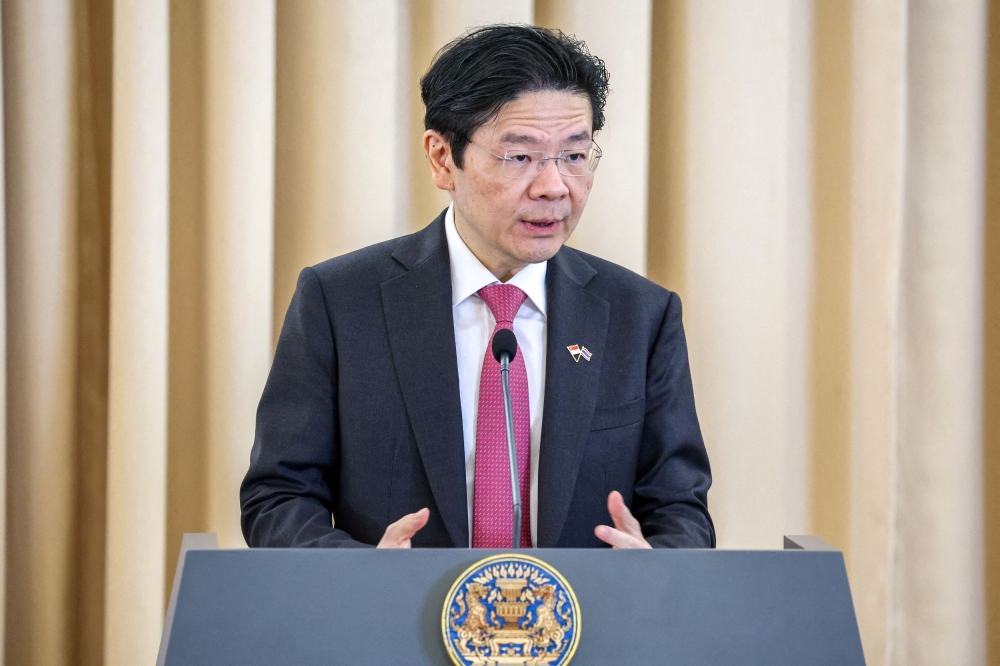
Singapore authorities have uncovered a significant disinformation campaign targeting the city-state and its Prime Minister Lawrence Wong through hundreds of AI-generated videos on YouTube, according to a recent investigation by CNA.
Nearly 300 Chinese-language videos were analyzed over a three-week period, revealing that approximately 70 percent specifically attacked Prime Minister Wong and propagated unfounded conspiracy theories about political instability within Singapore’s leadership. These videos, which have accumulated millions of views since their initial appearance in late 2023, appear to be part of a coordinated effort to spread false information.
In response to the findings, YouTube has taken action against the offending channels. “YouTube doesn’t allow spam, scams, or other deceptive practices that take advantage of the YouTube community. In accordance with these policies, we’ve since terminated the flagged channels,” a spokesperson for the platform told CNA.
The investigation revealed sophisticated tactics employed by the creators of this content. More than 30 different channels were involved in producing these videos, which featured computer-generated Mandarin voiceovers accompanied by traditional Chinese subtitles. The videos were strategically tagged with hashtags related to Singapore and Prime Minister Wong—a technique known as search engine optimization “poisoning” designed to manipulate search results and increase visibility.
The content of these videos contained numerous fabricated claims. Some alleged that Wong was on the verge of being ousted by his predecessor, former Prime Minister Lee Hsien Loong. Others falsely predicted economic disaster for Singapore, claiming the nation’s economy would collapse due to competition from a Chinese port.
CNA noted that such claims are demonstrably false, pointing out that Singapore’s port handled a record 44.66 million containers in 2023, maintaining its position as the world’s second-busiest port facility. This achievement underscores Singapore’s continued economic strength in the maritime sector despite the narratives pushed by these videos.
Other videos sought to undermine Singapore’s diplomatic position, either accusing the nation of being an American puppet or, conversely, fabricating claims about Singapore betraying the United States. These contradictory narratives suggest an attempt to sow confusion about Singapore’s international relationships and geopolitical standing.
The campaign represents a concerning example of how AI technology can be leveraged to create and disseminate disinformation at scale. The use of computer-generated voices and content allows for rapid production of videos that can appear authentic to casual viewers, while the strategic use of search optimization techniques helps ensure this content reaches wide audiences.
While YouTube has removed some of the identified channels, CNA reports that new uploads continue to appear on the platform, making it difficult for researchers and authorities to assess the full extent of the operation or determine who might be behind it. This ongoing activity suggests a persistent and well-resourced effort.
The targeting of Singapore with such a campaign comes at a time when the city-state is navigating complex regional relationships, particularly as tensions between the United States and China continue to shape Indo-Pacific geopolitics. As a small but strategically important nation, Singapore has maintained careful diplomatic balance in the region, making it a potential target for information operations seeking to influence public opinion or create political instability.
Authorities have not yet publicly identified the source of these videos or whether they believe a state actor may be involved in their creation and distribution. The investigation remains ongoing as officials work to counter the spread of false information about Singapore’s leadership and economic position.
Fact Checker
Verify the accuracy of this article using The Disinformation Commission analysis and real-time sources.

8 Comments
AI-generated content has become a major challenge for platforms and governments trying to maintain the integrity of online discourse. The sophisticated tactics used in this campaign, like coordinating across multiple channels, are particularly concerning. I hope Singapore can get to the bottom of this and hold the perpetrators accountable.
This is deeply concerning. The use of AI to create fake videos targeting political leaders is a worrying trend that undermines trust in democratic institutions. I hope Singapore is able to take strong action to counter this disinformation campaign and hold the perpetrators accountable.
YouTube’s swift response in taking down the offending channels is an encouraging first step. Continued vigilance and cooperation between tech platforms, governments, and civil society will be crucial to combat the spread of AI-generated disinformation.
The scale of this disinformation campaign is truly alarming. Over 300 fake videos amassing millions of views is a significant operation. I wonder what the motivations are behind this attack on Singapore’s leadership – is it politically or economically driven?
It’s good to see that the authorities are taking this threat seriously and working with YouTube to address it. Disinformation campaigns can have far-reaching consequences, so a robust, coordinated response is essential.
This is a wake-up call for the need to strengthen regulations and content moderation practices to combat AI-driven disinformation. The ability to create highly convincing fake videos at scale poses a serious threat to democratic processes and public trust. Vigilance and collaboration will be crucial going forward.
The use of AI to target political leaders with false information is a disturbing trend. I hope Singapore’s investigation can shed light on the origins and motivations behind this disinformation campaign. Maintaining the integrity of the public discourse is essential for a healthy democracy.
This is a troubling development that highlights the need for robust safeguards against AI-generated misinformation. While the technology behind these fake videos is impressive, the intent to mislead and sow discord is deeply concerning. I commend Singapore’s efforts to address this issue head-on.