


Listen to the article
Hundreds of AI-Generated Videos Target Singapore’s Prime Minister on YouTube
A sophisticated disinformation campaign featuring nearly 300 Chinese-language videos generated by artificial intelligence has been targeting Singapore and Prime Minister Lawrence Wong on YouTube, according to an investigation by Channel News Asia (CNA).
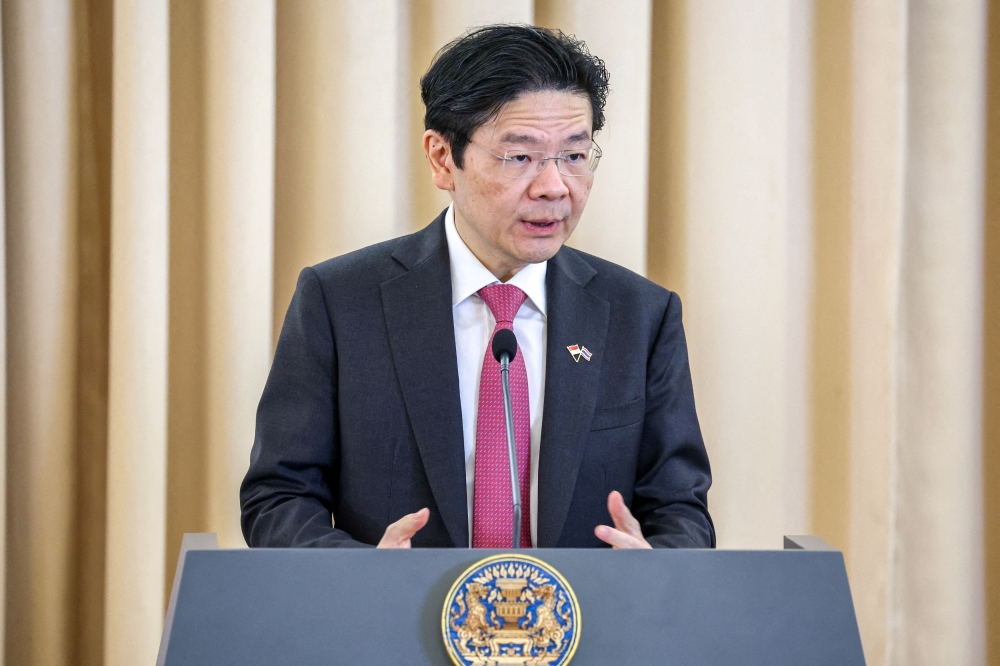
The three-week analysis revealed that approximately 70 percent of these videos specifically attacked Prime Minister Wong, who assumed office in May 2023 as Singapore’s fourth prime minister. The clips spread unfounded conspiracy theories about alleged political infighting within Singapore’s leadership structure.
In response to the findings, YouTube has taken action to remove the content. “YouTube doesn’t allow spam, scams, or other deceptive practices that take advantage of the YouTube community. In accordance with these policies, we’ve since terminated the flagged channels,” a spokesperson for the platform told CNA.
The investigation identified more than 30 channels producing these videos, which have collectively garnered millions of views since their appearance in late 2023. The clips share several distinguishing characteristics, including computer-generated Mandarin voiceovers accompanied by traditional Chinese subtitles – a writing system not commonly used in Singapore, where simplified Chinese characters are standard.
Digital analysts noted that the videos employed sophisticated search engine optimization (SEO) techniques, including the strategic use of hashtags referencing Singapore and Prime Minister Wong. This tactic, known as “poisoning,” manipulates search algorithms to boost the videos’ visibility in search results, potentially reaching wider audiences.
The content of these videos appears designed to undermine confidence in Singapore’s leadership and economic position. Some clips falsely claimed that Wong was on the verge of being ousted by his predecessor, Lee Hsien Loong. Others fabricated narratives about Singapore’s economic decline, suggesting the city-state’s crucial port sector faced collapse due to competition from Chinese facilities.
CNA’s fact-checking debunked these economic claims, noting that Singapore’s port actually handled a record 44.66 million containers in 2023, maintaining its status as the world’s second-busiest shipping hub behind Shanghai – a testament to the resilience of Singapore’s maritime sector despite global supply chain challenges.
Other videos in the campaign pushed contradictory geopolitical narratives, with some portraying Singapore as an American puppet state while others claimed Singapore had betrayed the United States. These conflicting messages suggest a deliberate attempt to sow confusion rather than promote a specific viewpoint.
The campaign’s sophistication is further demonstrated by its persistence. Despite YouTube’s efforts to remove identified channels, CNA reported that new uploads continue to appear, making it challenging for researchers and platform moderators to assess the full scale and reach of the operation.
This disinformation effort comes at a time when Singapore, like many nations, faces increasing challenges from AI-generated content that can be produced rapidly and at scale. The city-state has been working to strengthen its defenses against foreign information operations, including through its Protection from Online Falsehoods and Manipulation Act (POFMA), which gives authorities the power to order corrections or removal of online falsehoods.
Cybersecurity experts have noted that the targeting of Singapore may reflect its strategic importance as a financial center and key player in Southeast Asian geopolitics. The country’s position on issues like the South China Sea disputes and its relationships with both the United States and China make it a potential target for influence operations.
Authorities have not publicly attributed the campaign to any specific state or non-state actor, though investigations are likely ongoing. The incident highlights the growing challenge of AI-generated disinformation for governments, tech platforms, and citizens worldwide as technology continues to evolve.
Fact Checker
Verify the accuracy of this article using The Disinformation Commission analysis and real-time sources.

5 Comments
I’m glad to see YouTube taking action to remove these deceptive and misleading videos. Combating the spread of AI-generated disinformation is an ongoing challenge that requires diligence from both platforms and the public.
Curious to learn more about the tactics and motivations behind this sophisticated campaign. What could be the goal of spreading these unfounded conspiracy theories about Singapore’s leadership?
This is a timely reminder of the risks posed by AI-powered disinformation. While the technology has many beneficial applications, it can also be misused to sow discord and undermine trust in democratic institutions.
This AI disinformation campaign targeting the Singapore PM is very concerning. It’s crucial that we stay vigilant and rely on authoritative and verified sources of information, not fake videos spread online.
I appreciate the transparency from YouTube in addressing this issue. Maintaining the integrity of online platforms is crucial for ensuring citizens have access to accurate, reliable information.