


Listen to the article
Italian Study Shows Promise in Teaching High School Students to Spot Misinformation
A large-scale educational experiment conducted in northern Italy has revealed important insights into how to effectively teach high school students to identify scientific misinformation online, with researchers finding that targeted interventions can significantly improve students’ ability to evaluate content critically.
The study, conducted throughout the 2022-2023 school year, involved approximately 2,300 students from 100 classes across 19 educational institutions, primarily in the Milan and Turin provinces. Researchers randomly assigned classes to three different treatment approaches or a control group to test which methods were most effective at helping students distinguish between valid and invalid scientific information.
“The digital information landscape that today’s students navigate is increasingly complex,” said one of the study’s researchers. “Finding effective ways to equip them with critical thinking skills is essential for their future as informed citizens.”
The three intervention strategies tested included Civic Online Reasoning (COR), which teaches students techniques like “lateral reading” and “click restraint” – professional fact-checking strategies that involve opening multiple browser tabs to verify information from various sources. The Inoculation approach (INOC) focused on preemptively exposing students to common misinformation tactics like emotive content, conspiracy theories, impersonation, and trolling. The third method targeted Cognitive Biases (CB), helping students understand how mental shortcuts can make them vulnerable to misinformation.
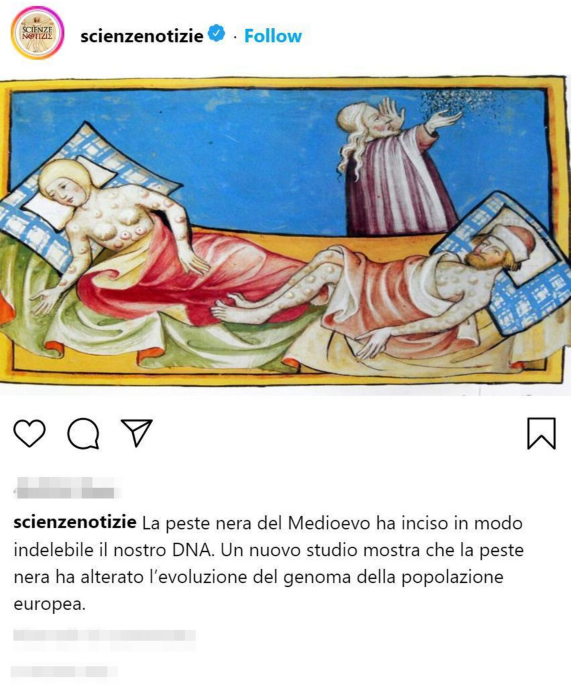
Each intervention consisted of a video presentation of approximately 18-19 minutes, carefully designed to maintain a consistent structure while providing specific tools relevant to each approach. Students’ ability to recognize scientific validity was then tested using fake Instagram posts – half containing pseudoscientific claims and half containing accurate scientific information.
Students rated each post’s scientific validity on a six-point scale, which researchers converted to accuracy scores. The study collected additional data on factors like confidence levels, social media habits, source familiarity, trust in scientists, and conspiracy belief tendencies.
The research team employed a robust methodology, using cumulative link mixed effects logistic regression to analyze the data while accounting for variables at the student, class, and school levels. They also conducted follow-up assessments one to four weeks after the initial interventions to measure the persistence of any improvements.
“What makes this study particularly valuable is its scale and real-world setting,” noted an independent expert familiar with media literacy research. “Testing these interventions in actual classrooms with thousands of students provides compelling evidence about what might work in educational settings.”
While specific results weren’t detailed in the methodological overview, the researchers indicated that at least some interventions showed statistically significant improvements in students’ ability to evaluate scientific content critically. Their comprehensive approach to measuring not just accuracy but also factors influencing decision-making provides valuable insight into how students process online information.
The study contributes to a growing body of evidence suggesting that targeted educational interventions can help combat the spread of misinformation. Previous research has shown that inoculation techniques can remain effective for at least three months, highlighting the potential for lasting impact from such interventions.
As schools worldwide grapple with teaching digital literacy skills, this Italian research offers promising directions for educational policy and classroom practice. The findings suggest that equipping students with specific strategies for evaluating online content may be more effective than general warnings about misinformation.
The research team has made their experimental design and data collection procedures publicly available through the Open Science Framework, allowing other researchers to build upon their methodology in future studies.
Fact Checker
Verify the accuracy of this article using The Disinformation Commission analysis and real-time sources.

25 Comments
If AISC keeps dropping, this becomes investable for me.
If AISC keeps dropping, this becomes investable for me.
Good point. Watching costs and grades closely.
If AISC keeps dropping, this becomes investable for me.
Good point. Watching costs and grades closely.
Exploration results look promising, but permitting will be the key risk.
Nice to see insider buying—usually a good signal in this space.
Nice to see insider buying—usually a good signal in this space.
Production mix shifting toward Disinformation might help margins if metals stay firm.
Good point. Watching costs and grades closely.
If AISC keeps dropping, this becomes investable for me.
The cost guidance is better than expected. If they deliver, the stock could rerate.
Good point. Watching costs and grades closely.
Production mix shifting toward Disinformation might help margins if metals stay firm.
Good point. Watching costs and grades closely.
Good point. Watching costs and grades closely.
Silver leverage is strong here; beta cuts both ways though.
Silver leverage is strong here; beta cuts both ways though.
Good point. Watching costs and grades closely.
Good point. Watching costs and grades closely.
The cost guidance is better than expected. If they deliver, the stock could rerate.
Good point. Watching costs and grades closely.
Production mix shifting toward Disinformation might help margins if metals stay firm.
Good point. Watching costs and grades closely.
Good point. Watching costs and grades closely.