


Listen to the article
Concerns Mount Over Anti-Disinformation Bills in Philippine Congress
Philippine lawmakers are advancing multiple bills aimed at combating disinformation, but free speech advocates and media professionals have expressed growing concerns about potential consequences for civil liberties.
The House of Representatives is currently reviewing at least 14 anti-disinformation bills while the Senate considers five similar measures. Though well-intentioned on the surface, critics warn that certain provisions could threaten freedom of expression, particularly for journalists and content creators.
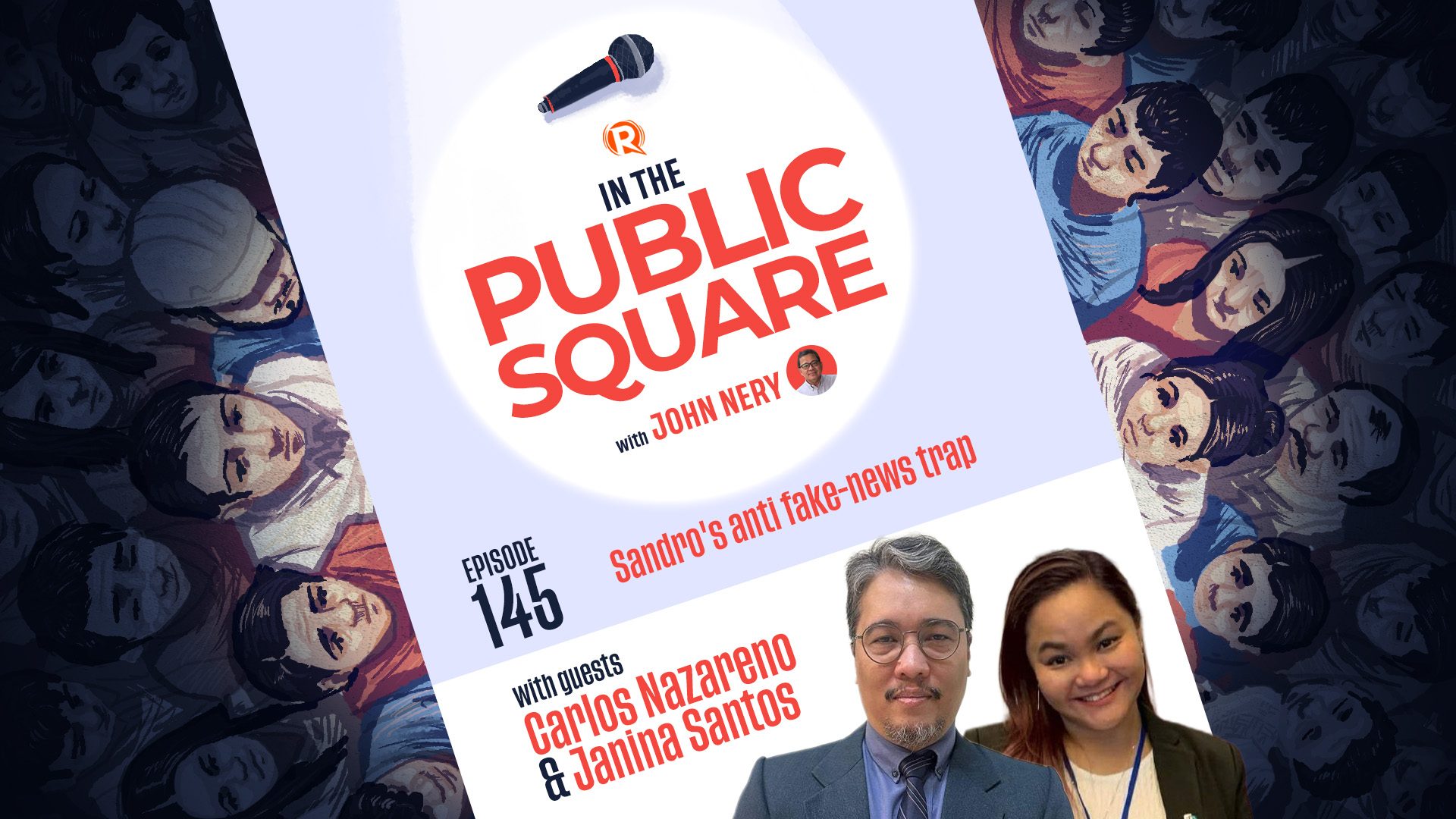
House Bill 2697, authored by Majority Leader Sandro Marcos, has emerged as the leading version in the lower chamber and is drawing particular scrutiny. Experts monitoring the legislation’s development fear it could become a “trap” that undermines constitutional protections for free speech rather than simply addressing harmful misinformation.
“On its face, this effort seems like a good thing. But as they say, God, or the devil, is in the details. And some of the details are worrying,” noted observers familiar with the legislative proposals.
The push for anti-disinformation legislation comes amid growing global concern about the impact of false information on democratic processes. Many countries have struggled to balance the need to combat harmful misinformation with protecting legitimate expression and press freedom. The Philippines, with its vibrant but sometimes polarized media landscape, faces particular challenges in striking this balance.
Despite concerns about the bills’ contents, legislators have maintained an inclusive process. The committees handling these proposals have conducted open hearings, consulted various experts, and welcomed observers to participate in the deliberative process.
Carlos Nazareno, director for Rights at Democracy.net.ph, an advocacy group focused on digital rights, has participated in these hearings and raised concerns about potential overreach. Similarly, Janina Santos, Philippine analyst for Doublethink Lab, an organization that researches information manipulation, has been monitoring the legislative developments closely.
The Philippines has a complex relationship with press freedom. While the country has a constitutionally protected free press, journalists have faced various challenges, including harassment, legal threats, and in extreme cases, violence. Media watchdogs have expressed concern that broadly written anti-disinformation laws could become tools to silence legitimate criticism or reporting.
Some legal experts point to the importance of narrowly defining key terms like “disinformation” to prevent abuse. Vague definitions could potentially criminalize honest mistakes or differences of opinion rather than deliberately fabricated content designed to cause harm.
The Marcos administration has identified combating disinformation as a priority, but critics note the irony given historical revisionism concerns that have surrounded the Marcos family itself. This context adds another layer of complexity to the current legislative efforts.
Digital rights advocates emphasize that any anti-disinformation measure must include strong safeguards to prevent abuse, clear definitions of prohibited conduct, judicial oversight, and proportionate penalties that don’t create a chilling effect on legitimate expression.
The public conversation around these bills continues to evolve, with stakeholders from media, civil society, legal experts, and government engaged in ongoing debate about how to effectively address harmful disinformation without undermining fundamental freedoms.
As these bills move through the legislative process, the final language adopted will determine whether they serve as effective tools against harmful falsehoods or potentially become mechanisms that constrain the Philippines’ democratic discourse.
Fact Checker
Verify the accuracy of this article using The Disinformation Commission analysis and real-time sources.

9 Comments
Addressing misinformation is crucial, but we must be vigilant that the proposed solutions don’t inadvertently create new problems. I’ll be following this situation closely to see how the debate unfolds and what kind of legislation ultimately emerges.
Agreed. It’s a complex issue without easy answers, and getting the right balance will be critical. I hope the lawmakers can find an approach that is both effective and mindful of civil liberties.
Combating disinformation is a worthy goal, but the devil is in the details. I hope the Philippine lawmakers can craft legislation that is effective yet preserves the fundamental right to free speech. It’s a delicate balance that requires careful consideration.
The challenge of addressing misinformation is a complex one with no easy answers. I’m curious to see how Philippine lawmakers navigate this issue and balance the need for accurate information with protecting free expression.
It’s a delicate balance, for sure. I hope they can find an approach that effectively targets harmful falsehoods without infringing on legitimate speech.
This is an important issue that many countries are grappling with. I’m glad to see the Philippines taking it seriously, but the details of the proposed legislation will be crucial. Oversight and public input will be key to ensuring the right balance is struck.
Kudos to the Philippine lawmakers for taking on this important challenge. However, the details of these bills will be crucial in determining whether they strike the right balance between combating misinformation and protecting free speech. I’m interested to see how this situation develops.
Interesting development in the Philippines. While combating disinformation is important, we must be cautious about potential threats to free speech. The details of these bills will be critical to ensuring a balanced approach that upholds democratic principles.
Agreed. Careful consideration of the nuances is essential to find an effective yet fair solution that doesn’t undermine civil liberties.