


Listen to the article
Russian disinformation campaigns are increasingly targeting international development cooperation, according to a new study released by the Center for Monitoring, Analysis and Strategy (CeMAS). The research highlights how Russian government agencies in particular have expanded their efforts to undermine Western development initiatives through coordinated misinformation campaigns.
The study identifies a systematic approach used by Russian actors to discredit German and other Western development policies, with the United States Agency for International Development (USAID) being a prominent target. These tactics have evolved into what researchers describe as “textbook” disinformation operations designed to erode public trust in international aid programs.
“We’re seeing increasingly sophisticated efforts to manipulate public perception of development work,” said a CeMAS researcher involved in the study. “The narratives are carefully crafted to exploit existing tensions and skepticism about foreign aid effectiveness.”
The research reveals that Russian-backed campaigns frequently promote narratives suggesting Western development aid is a form of neo-colonialism or a cover for political interference. These messages are then amplified through a network of state-affiliated media outlets, social media accounts, and proxy websites that may not have obvious connections to the Russian government.
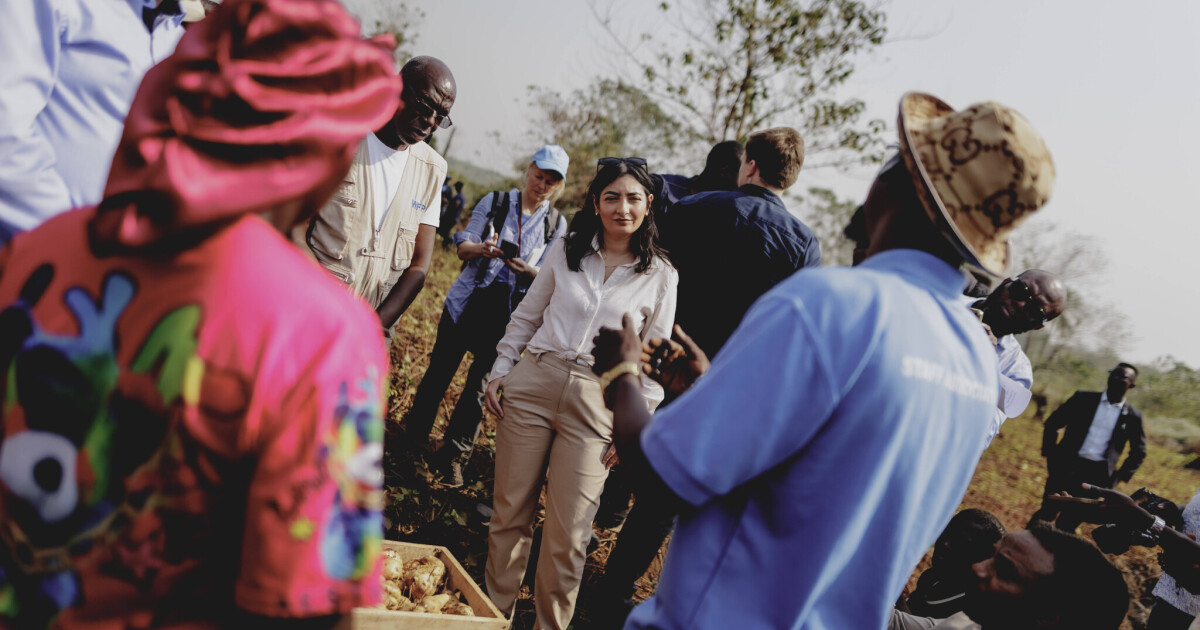
German development initiatives have become particular targets in recent months, coinciding with Federal Development Minister Reem Alabali-Radovan’s increased visibility in regions like West Africa. The minister’s January 2026 visit to Sierra Leone, where she reviewed several German-funded development projects including agricultural initiatives, was met with a surge of misleading social media content questioning Germany’s motives in the region.
The timing of these campaigns is strategic, often coinciding with major policy announcements or high-profile development initiatives. By undermining public confidence in these programs, Russian actors seek to diminish Western influence in regions where Russia has competing strategic interests, particularly across Africa and parts of Asia.
“Development cooperation has become a geopolitical battleground,” noted a security policy expert familiar with the study. “These disinformation campaigns are part of a broader effort to reshape the international order and limit Western influence in regions where Russia is trying to expand its footprint.”
The study identifies several recurring themes in these disinformation narratives, including claims that Western development aid creates dependency, serves primarily as market expansion for Western corporations, or supports political destabilization. These messages are tailored to local contexts and often build upon legitimate criticisms of past development efforts.
CeMAS researchers warn that these campaigns could have real-world consequences by undermining support for critical development initiatives addressing poverty, health crises, and climate adaptation. They also note that the disinformation efforts extend beyond Russian actors, with several other nations adopting similar tactics.
The report recommends greater transparency in development communication, proactive media engagement, and better coordination between government agencies and NGOs to counter these disinformation efforts. It also calls for increased digital literacy programs in target regions to help local populations better identify misleading content.
German officials have acknowledged the challenge, with the Federal Ministry for Economic Cooperation and Development (BMZ) recently establishing a dedicated unit to monitor and respond to disinformation targeting its programs.
The findings come as Germany and other Western nations reassess their approach to development cooperation amid shifting global power dynamics and growing competition for influence in resource-rich developing regions.
Experts suggest that countering these disinformation campaigns will require not just defensive measures, but also more effective communication about the tangible benefits and long-term impacts of development initiatives.
Fact Checker
Verify the accuracy of this article using The Disinformation Commission analysis and real-time sources.

9 Comments
This is concerning but not surprising. Russia has a long history of using disinformation to undermine Western institutions and initiatives. It’s critical that the public remains vigilant and fact-checks claims about development aid.
Disinformation targeting development cooperation is a concerning trend. Strengthening transparency and accountability around aid programs, while also educating the public, will be key to building resilience against these manipulative tactics.
It’s disheartening to see Russia actively working to discredit vital international development initiatives. This highlights the importance of maintaining a robust, fact-based discourse around the impact and importance of foreign aid programs.
This research is a sobering reminder of the lengths Russia will go to undermine Western institutions. Countering these sophisticated disinformation campaigns requires a multifaceted approach focused on media literacy and fact-based advocacy.
While I’m not surprised by Russia’s tactics, it’s troubling to see the level of sophistication in these disinformation campaigns. Undermining public trust in development aid is a concerning trend that warrants close attention.
Absolutely. The ability of these campaigns to exploit existing skepticism about aid effectiveness is particularly worrying. Continued research and public awareness are crucial to countering these narratives.
While I’m not surprised by Russia’s tactics, it’s still troubling to see the scale and coordination of these efforts to discredit development aid. Maintaining public trust in these critical programs will be an ongoing challenge.
Disinformation campaigns targeting international development cooperation are particularly insidious as they erode public support for vital aid programs. Rigorous research and transparency around these tactics are essential to counter Russian propaganda.
Agreed. Exposing the coordinated nature of these efforts and the narratives used is an important first step. Ongoing monitoring and fact-checking will be key to building resilience against this kind of manipulation.