


Listen to the article
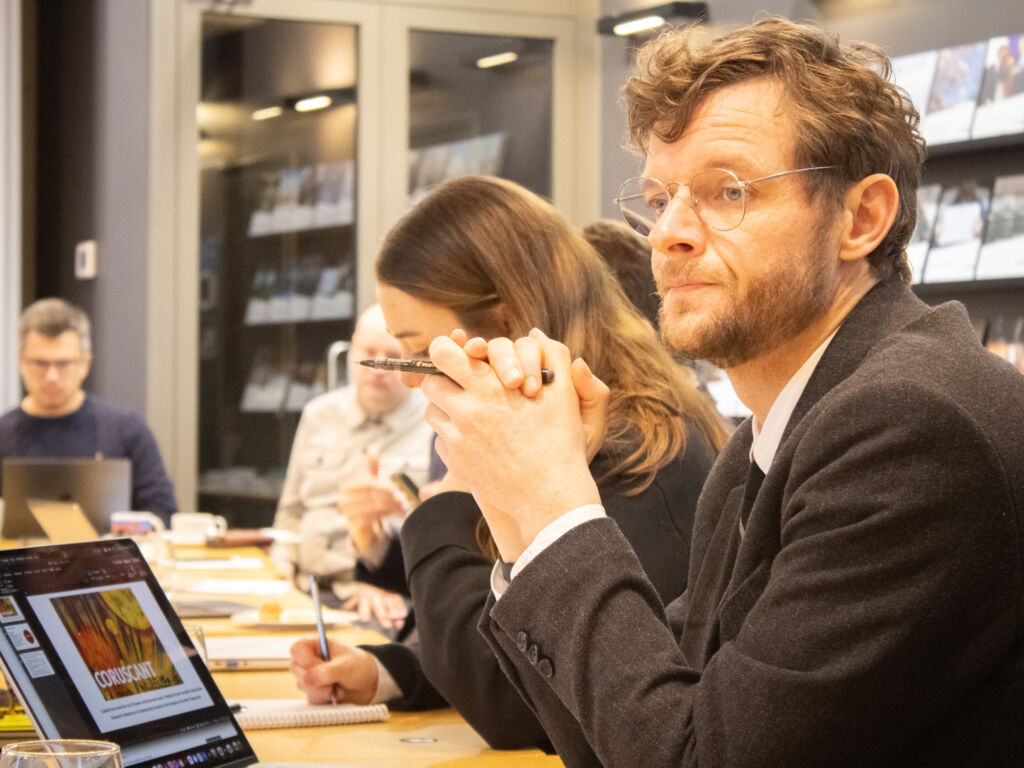
International experts convened at the International Centre for Defence and Security (ICDS) on December 18 to discuss Russia’s evolving cyber capabilities and strategic digital operations. The event featured presentations from leading researchers in the field of Russian digital studies, offering critical insights into the shifting cybersecurity landscape along NATO’s northeastern border.
Professor Kévin Limonier, a senior researcher from the GEODE laboratory, presented comprehensive findings on Russia’s digital destabilization strategies. GEODE, which specializes in analyzing the impact of digital transformation on global strategic environments, has developed sophisticated mapping techniques to visualize the multidimensional nature of Russian cyber operations.
“Understanding the architecture of Russian cyber capabilities is essential for developing effective countermeasures,” Limonier explained during his presentation. His research highlights how Russia has increasingly weaponized digital space as an extension of its geopolitical ambitions.
PhD candidate Olivier Royer complemented Limonier’s overview with a detailed analysis of the digital border between NATO’s northeastern flank and Russia. Royer’s research examines the unique vulnerabilities and security challenges facing Baltic states and other frontline NATO members, where digital infrastructure has become a critical component of national defense strategies.
The digital border concept has gained increased attention following Russia’s full-scale invasion of Ukraine, which demonstrated Moscow’s willingness to deploy cyber operations alongside conventional military actions. Experts note that countries bordering Russia have experienced a dramatic increase in cyber incidents since 2022, ranging from distributed denial-of-service attacks to more sophisticated infiltration attempts targeting critical infrastructure.
Morvan Lallouet introduced CORUSCANT, an innovative research network focused on Russian studies. The initiative aims to reframe how researchers approach Russian studies in an era when direct access to Russia has become increasingly restricted for Western academics and journalists.
“CORUSCANT is responding to the urgent need to maintain expertise on Russia despite growing isolation,” Lallouet told attendees. “We’re developing new digital methodologies that allow researchers to continue monitoring and analyzing Russian society and politics despite physical access limitations.”
The network has four primary objectives: decentering and refocusing Russian studies away from traditional approaches, enhancing dialogue between researchers and policymakers, building an international community of Russian studies specialists, and training the next generation of Russia experts.
CORUSCANT’s work comes at a critical juncture when understanding Russian capabilities and intentions has never been more important for European security. The network is developing advanced digital tools specifically designed to overcome the challenges posed by Russia’s increasing information isolation and restrictions on foreign researchers.
In response to these challenges, CORUSCANT has announced its annual conference, scheduled for January 16, 2026, in Berlin. The event will be co-hosted with the Centre for East European and International Studies (ZOiS) and is expected to attract leading experts in Russian studies from across Europe and North America.
The ICDS event underscores the growing recognition that cyber operations have become a cornerstone of Russia’s asymmetric strategy against Western democracies. As NATO continues to strengthen its eastern flank with conventional military deployments, the digital dimension requires equally robust attention and resources.
Security analysts note that Russia’s cyber activities extend beyond traditional military objectives to include influence operations, economic disruption, and intelligence gathering. These multifaceted approaches require equally sophisticated detection and deterrence strategies from NATO and its partners.
The presentations highlighted how academic research is increasingly informing practical cybersecurity policies, bridging the gap between theoretical understanding and operational defense capabilities. This collaboration between researchers and security practitioners represents an essential component of effective cyber defense in an era of persistent digital threats.
Fact Checker
Verify the accuracy of this article using The Disinformation Commission analysis and real-time sources.

8 Comments
Fascinating insights into Russia’s evolving cyber tactics and their digital destabilization strategies. Understanding the architecture of their cyber capabilities is crucial for effective countermeasures. This roundtable discussion sounds like it provided critical analysis and valuable context.
Agreed, mapping the multidimensional nature of Russian cyber operations is essential to develop appropriate responses. The weaponization of digital space as an extension of geopolitical ambitions is concerning and requires vigilance.
Russia’s weaponization of digital space is a concerning development that requires a multilayered response. I’m curious to learn more about the specific strategies and techniques employed, as well as potential countermeasures discussed at this roundtable.
Agreed, the experts’ analysis of Russia’s digital destabilization tactics and their impact on the regional security landscape is crucial. Developing effective countermeasures will be an ongoing challenge that requires vigilance and collaboration.
This roundtable discussion on Russia’s cyber and disinformation activities provides valuable insights for policymakers and cybersecurity professionals. Mapping the evolving nature of these threats is essential for maintaining resilience and safeguarding critical infrastructure.
This expert roundtable provides timely and important insights into Russia’s cyber capabilities and disinformation activities. Tracking these trends is critical, especially given the geopolitical tensions in the region. I appreciate the researchers’ efforts to map and visualize these complex issues.
The digital border between NATO’s northeastern flank and Russia seems to be a key area of focus. I’m curious to learn more about the specific tactics and techniques Russia is employing in this region. Monitoring these developments is crucial for maintaining cybersecurity.
Yes, the detailed analysis presented by the PhD candidate on this topic sounds very insightful. Understanding the evolving dynamics along this strategic border region will help inform NATO’s defensive posture and counter-measures.