


Listen to the article
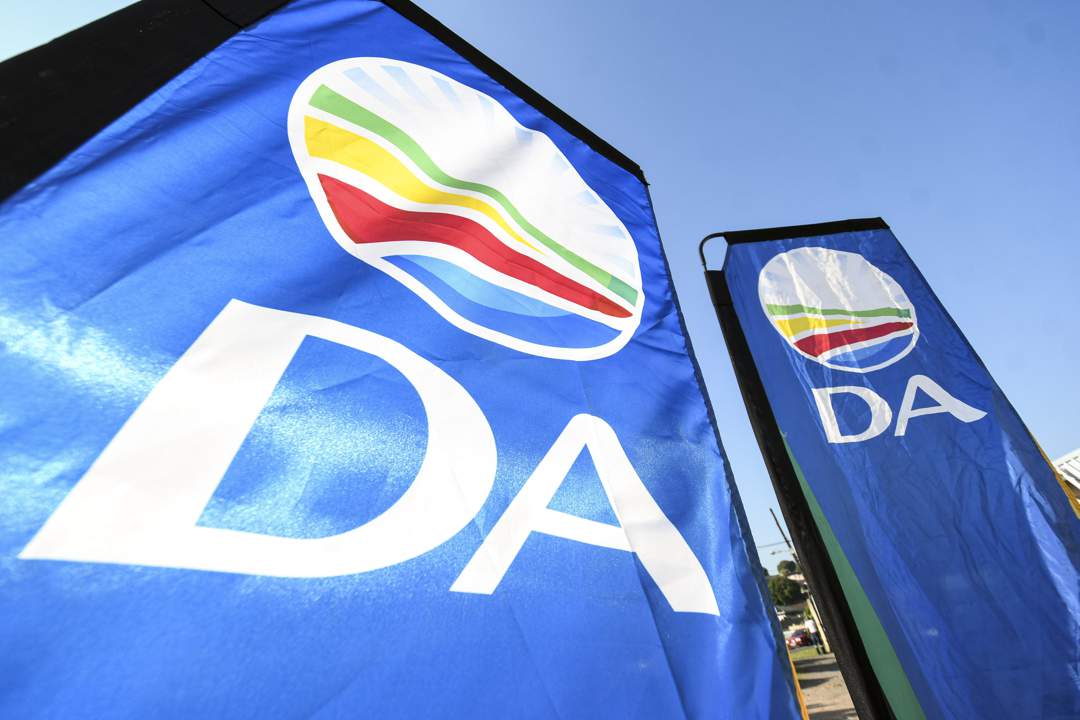
Russian operatives allegedly worked to boost the ANC’s election chances while undermining the DA and Democratic Alliance parties, according to a trove of leaked documents that have emerged from Russia’s secretive information warfare operations.
The documents, part of a wider cache of materials detailing Russian political influence campaigns across Africa, reveal a coordinated effort to sway South African public opinion ahead of recent elections. Among the most striking revelations is the creation of a website called “DumbAlliance,” specifically designed to discredit opposition parties.
Security analysts familiar with the leak describe it as offering unprecedented insight into the methods and tactics employed by Russia’s foreign influence operations. The documents outline strategies for amplifying pro-ANC messaging while simultaneously working to fragment the opposition vote by targeting the Democratic Alliance and its coalition partners.
“What’s particularly concerning about these operations is their sophistication,” said Dr. Melissa van der Merwe, a political security researcher at the University of Cape Town. “This wasn’t crude propaganda, but rather carefully calibrated messaging designed to exploit existing social and political divisions within South Africa.”
The leaked materials suggest Russian operatives conducted extensive research on South African voter demographics, identifying key constituencies where anti-opposition messaging would be most effective. They reportedly deployed networks of fake social media accounts to amplify divisive content and engaged local influencers to spread narratives favorable to the ANC.
The “DumbAlliance” website appears to have been a centerpiece of these efforts. According to the documents, it was designed to portray the Democratic Alliance as incompetent, elitist, and out of touch with ordinary South Africans. Content from the site was systematically distributed through various channels to reach target audiences, particularly in swing constituencies.
South African intelligence officials have declined to comment specifically on the leak, but a senior government source speaking on condition of anonymity confirmed that foreign interference in domestic politics has been a growing concern. “We’ve seen increasing evidence of external actors attempting to influence our democratic processes,” the official said.
The ANC has strongly denied any knowledge of or involvement with Russian influence operations. Party spokesperson Mahlengi Bhengu-Motsiri issued a statement saying, “The ANC wins elections through its policies and connection with the people, not through any foreign assistance. These allegations are baseless and appear designed to delegitimize the democratic choices of South African voters.”
For its part, the Democratic Alliance has called for a parliamentary investigation into the allegations. “These documents, if authenticated, represent a direct attack on our democracy,” said DA federal chairperson Helen Zille. “South Africans deserve to know the extent to which foreign powers have attempted to manipulate our elections.”
International relations experts point out that this alleged Russian activity aligns with similar operations documented across the African continent, where Moscow has sought to expand its influence in recent years. Russia has strengthened diplomatic, military, and economic ties with several African nations, including South Africa, which is a member of the BRICS economic bloc alongside Russia.
“This fits into Russia’s broader geopolitical strategy in Africa,” explained Professor Thomas Mandrup, an international relations specialist. “By supporting incumbent parties sympathetic to Russian interests, Moscow can secure favorable trade deals, resource access, and diplomatic support on the international stage.”
The leak comes at a sensitive time for South African politics, with the country facing economic challenges and growing voter disillusionment. Electoral support for the ANC has declined in recent elections, pushing the party to form coalition governments in several key municipalities.
Media freedom advocates and election monitoring organizations have called for greater vigilance against foreign information operations in future South African elections. They recommend strengthened digital literacy programs to help voters identify manipulation attempts and more robust regulations for political advertising on social media platforms.
As investigations into the authenticity of these documents continue, the alleged Russian interference serves as a reminder of the evolving nature of threats to democratic processes worldwide, where battles for political power increasingly extend into the digital realm.
Fact Checker
Verify the accuracy of this article using The Disinformation Commission analysis and real-time sources.

11 Comments
This news highlights the importance of understanding how foreign actors may attempt to interfere in domestic politics. Careful analysis of the leaked materials could provide valuable insights into Russia’s information warfare tactics.
This is a concerning revelation about alleged Russian interference in South African politics. It’s important to carefully examine the leaked documents and understand the full scope and impact of these influence operations.
Agreed, the use of sophisticated tactics to sway public opinion is troubling. Transparency and rigorous investigation will be crucial to address this threat to democratic processes.
This news serves as a stark reminder of the need for vigilance against foreign interference in domestic politics. Building resilience against disinformation campaigns should be a key focus for South African authorities and citizens alike.
Absolutely. Strengthening democratic institutions, media literacy, and fact-checking efforts will be crucial to safeguarding the country’s electoral processes from foreign manipulation.
While the allegations are concerning, it’s important to verify the authenticity of the leaked documents and their contents. Thorough, independent investigation will be crucial to determine the full extent of Russian involvement.
Agreed, caution is warranted until the veracity of the leaks can be confirmed. Rushing to conclusions without solid evidence could undermine the credibility of the investigation.
The creation of a website like ‘DumbAlliance’ to discredit opposition parties is a clear example of the type of disinformation campaigns we’ve seen from Russia in other countries. It’s vital that South Africans remain vigilant and critical consumers of political information.
Absolutely, disinformation can have severe consequences for the integrity of elections. Strengthening media literacy and fact-checking efforts will be key to combating these tactics.
The alleged Russian tactics described in the leaked documents, if verified, would represent a serious breach of South Africa’s sovereignty. Transparent and thorough investigation is essential to understanding the full scope of this issue.
The reported efforts to amplify pro-ANC messaging while fragmenting the opposition vote are troubling, if true. Protecting the integrity of South Africa’s democratic processes should be a top priority.