


Listen to the article
Russia Amplifies “Secret Prison” Claims Against Ukraine as Munich Security Conference Begins
Russia has escalated a disinformation campaign alleging that Ukraine operates “secret prisons” where Russian prisoners of war are tortured, according to a report released Monday by Ukraine’s Center for Countering Disinformation (CPD).
The timing of this renewed narrative push coincides with the opening of the 62nd Munich Security Conference, one of the world’s premier forums for international security policy discussions. Days before the conference began, Ukraine’s military intelligence agency (HUR) had warned that Russia would launch multiple disinformation operations targeting the event, including organizing covert protests in German cities.
Security experts note this follows a well-established pattern dating back to 2014, where Moscow recycles fabricated atrocity claims at strategic moments to deflect international attention from its own actions in Ukraine.
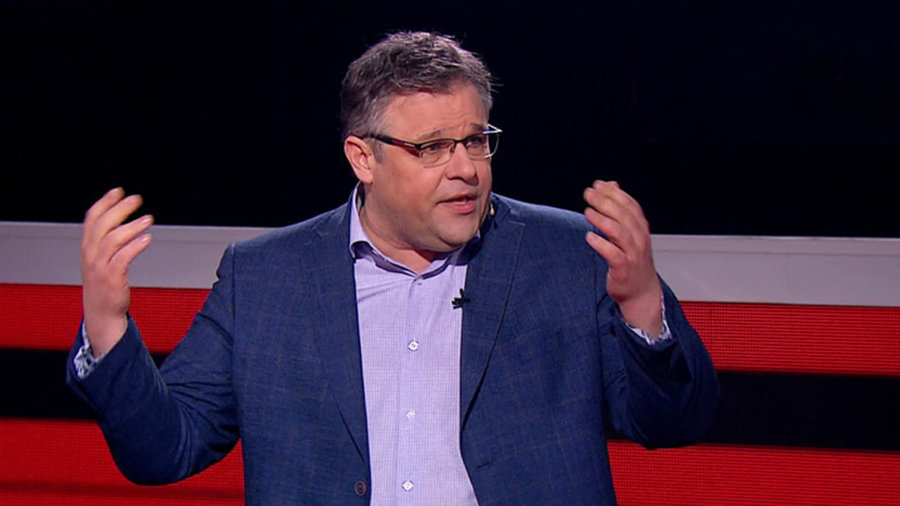
At the center of the latest allegations is Rodion Miroshnik, a high-ranking figure in the Russian-backed separatist Luhansk People’s Republic who now serves as Russia’s ambassador-at-large for “crimes of the Kyiv regime.” In interviews with Kremlin-aligned media, Miroshnik claimed Ukraine holds Russian POWs in basement facilities where they allegedly face torture via “electric chairs” and are forced to participate in staged videos.
The CPD pointed out that identical claims surfaced last July and rely exclusively on testimonies from Russian POWs who were returned through prisoner exchanges. Ukrainian officials argue that the physical condition of these returned prisoners contradicts claims of mistreatment, suggesting their testimonies may have been coerced.
“These fabricated claims serve a dual purpose,” explained a CPD spokesperson. “They shift blame for war crimes from the aggressor to the victim and create an information smokescreen to obscure mounting evidence of Russia’s own documented atrocities.”
The European Union’s anti-disinformation task force, EUvsDisinfo, has extensively tracked Russia’s pattern of deploying fabricated atrocity narratives ahead of significant diplomatic events. This approach aims to muddy moral distinctions and create a false equivalence that can erode Western resolve to support Ukraine.
What makes this disinformation particularly cynical is how it inverts reality. While Russia promotes stories about Ukrainian torture chambers, substantial evidence documents Russia’s own systematic mistreatment of Ukrainian prisoners.
A comprehensive investigation published by the independent Russian outlet Meduza in December described a pattern of “violence for violence’s sake” against Ukrainian prisoners in Russian custody. The Wall Street Journal separately reported that Russian prison officials had instructed guards to “be cruel” to Ukrainian POWs from the earliest weeks of the full-scale invasion.
Ukraine’s Prosecutor General has documented more than 270 cases of Russian forces executing surrendering Ukrainian soldiers, though the international justice system has secured only two convictions thus far.
Security analysts believe the revival of these allegations comes at a critical moment as European leaders debate continued military and financial assistance to Ukraine. With aid packages stalled in both the United States and European Union, Russian disinformation efforts have intensified to exploit hesitation among Western allies.
“Russia operates multiple influence channels simultaneously,” said Dr. Marta Keane, a disinformation researcher at the Atlantic Council. “From street-level provocations to diplomatic messaging, the goal remains consistent—undermine support for Ukraine by creating confusion and doubt.”
Despite twelve years of repeating similar claims, Russia has failed to produce compelling evidence for its allegations about Ukrainian detention facilities. The persistence of these narratives reveals their true purpose: not to convince skeptical audiences but to exhaust them with competing claims until the truth becomes impossible to discern.
Fact Checker
Verify the accuracy of this article using The Disinformation Commission analysis and real-time sources.

20 Comments
If AISC keeps dropping, this becomes investable for me.
Interesting update on Russia Resurrects Discredited Claim About Ukraine Operating Secret Detention Facilities for Russian POWs. Curious how the grades will trend next quarter.
Good point. Watching costs and grades closely.
Silver leverage is strong here; beta cuts both ways though.
Good point. Watching costs and grades closely.
Good point. Watching costs and grades closely.
Uranium names keep pushing higher—supply still tight into 2026.
If AISC keeps dropping, this becomes investable for me.
Good point. Watching costs and grades closely.
Nice to see insider buying—usually a good signal in this space.
If AISC keeps dropping, this becomes investable for me.
The cost guidance is better than expected. If they deliver, the stock could rerate.
Good point. Watching costs and grades closely.
Uranium names keep pushing higher—supply still tight into 2026.
Silver leverage is strong here; beta cuts both ways though.
The cost guidance is better than expected. If they deliver, the stock could rerate.
Good point. Watching costs and grades closely.
Exploration results look promising, but permitting will be the key risk.
The cost guidance is better than expected. If they deliver, the stock could rerate.
Good point. Watching costs and grades closely.