


Listen to the article
Russian Disinformation Campaign Intensifies Amid Ukraine-Hungary Pipeline Dispute
Russian propaganda outlets have dramatically escalated their disinformation efforts targeting Ukraine, with a particular focus on exploiting tensions between Ukraine and Hungary over the damaged Druzhba oil pipeline. According to findings from the Center for Strategic Communication SPRAVDI, Russian-backed sources published nearly 700 manipulative articles on this topic on March 5 alone.
The center’s analysis reveals a coordinated campaign across approximately 120 resources known for spreading disinformation. On March 5, these platforms published around 7,250 materials mentioning Ukraine—1.2 times more than the 6,000 publications from legitimate media outlets. This means that approximately 55% of all foreign-language content about Ukraine that day originated from sources involved in Russia’s foreign information manipulation and interference operations.
The propaganda push appears strategically focused on widening the diplomatic rift between Kyiv and Budapest. Russian outlets have heavily amplified anti-Ukrainian statements from Hungarian Prime Minister Viktor Orban and Foreign Minister Peter Szijjarto, while providing informational support for Hungarian and Slovak government decisions that could potentially harm Ukraine’s interests.
A primary narrative being promoted is that of an “EU split” over support for Ukraine, with particular emphasis on claims that Ukraine is “losing” European backing. Analysts have also observed Russian attempts to portray Ukraine as a threat, with propagandists manipulating statements by Ukrainian President Volodymyr Zelensky to suggest Kyiv is willing to “escalate” tensions and “interfere” in Hungarian elections.
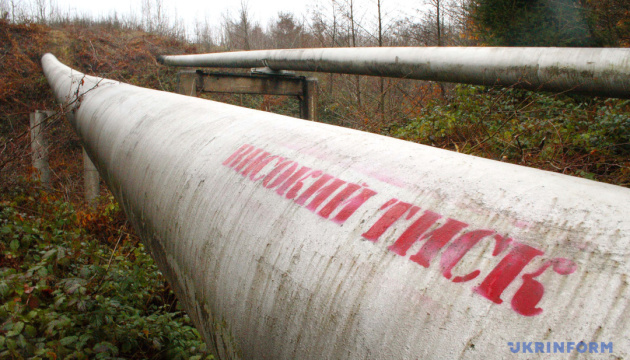
The pipeline dispute began on January 27 when Russian forces struck energy infrastructure in Ukraine’s Lviv region, damaging the Druzhba pipeline and halting the transit of Russian oil to Hungary and Slovakia. Both countries subsequently suspended diesel exports to Ukraine until oil transit is restored.
The situation escalated when Prime Minister Orban sent an open letter to President Zelensky demanding the immediate reopening of the pipeline. Hungary later threatened to halt electricity and gas exports to Ukraine if Russian oil supplies were not restored. President of the European Council Antonio Costa and President Zelensky have since agreed that Ukraine will soon provide an assessment of the repair timeline for the pipeline.
Russian propaganda has attempted to frame Moscow’s actions in a positive light, portraying the transfer of captured Ukrainian citizens of Hungarian origin to Hungary as an “act of humanitarianism” by the Kremlin. These same sources have spread allegations about the “illegal mobilization of Hungarians” in Ukraine, further stoking ethnic tensions.
The information warfare has expanded to include coverage of a separate diplomatic incident. On March 6, Ukrainian Foreign Minister Andrii Sybiha reported that Hungarian authorities in Budapest had detained seven Ukrainian Oschadbank employees and seized the money they were transporting. According to Sybiha, these employees were traveling in bank vehicles from Austria to Ukraine as part of routine financial operations between state banks. Ukrainian officials have characterized the incident as hostage-taking and theft.
Security analysts note that this concentrated disinformation campaign reflects Russia’s broader strategy of exploiting divisions between Ukraine and its European supporters. By amplifying disputes over energy supplies and generating mistrust between neighboring states, Moscow aims to weaken the coalition supporting Ukraine’s defense efforts.
The intensity of this propaganda push underscores the importance of information warfare in Russia’s overall strategy, with disinformation serving as a complementary tool to military operations in its ongoing conflict with Ukraine.
Fact Checker
Verify the accuracy of this article using The Disinformation Commission analysis and real-time sources.

8 Comments
This is a really eye-opening report on the scale of Russia’s disinformation campaign around the Ukraine conflict. Spreading 700 false claims in a single day is an astonishing feat of propaganda. We have to stay vigilant and not let them distort the truth.
Interesting to see Russia’s disinformation campaign escalate around the Ukraine-Hungary pipeline dispute. Clearly they’re trying to sow division and turn allies against each other. It’s important to call out these propaganda efforts and maintain unity against Russian aggression.
Absolutely. This is a concerning tactic – Russia seems willing to spread as much disinformation as possible to undermine Ukraine’s allies and partnerships. Vigilance is key to countering these kinds of influence operations.
Trying to sow division between Ukraine and Hungary over the pipeline dispute – that’s a classic Russian tactic. They’ll stop at nothing to undermine Ukraine’s alliances and partnerships. Kudos to the Disinformation Commission for exposing this propaganda push.
Absolutely. Shining a light on these coordinated disinformation efforts is so important. It allows us to see Russia’s playbook and better counter their attempts to manipulate the narrative. Diligence and fact-checking are key.
Nearly 700 false claims in a single day? That’s an astounding volume of disinformation. It really demonstrates the scale and coordination of Russia’s propaganda machine when it comes to the Ukraine conflict. We can’t let them muddy the waters and obscure the truth.
Agreed. The sheer quantity of manipulative content is staggering. Russia is clearly going all-out to try to control the narrative around this pipeline dispute. It’s crucial that fact-based reporting cuts through the fog of disinformation.
This is a concerning development. Russia seems determined to exploit any tensions it can find between Ukraine and its allies. We need to be vigilant about identifying and calling out these disinformation campaigns, which are aimed at weakening the international response to the invasion.