


Listen to the article
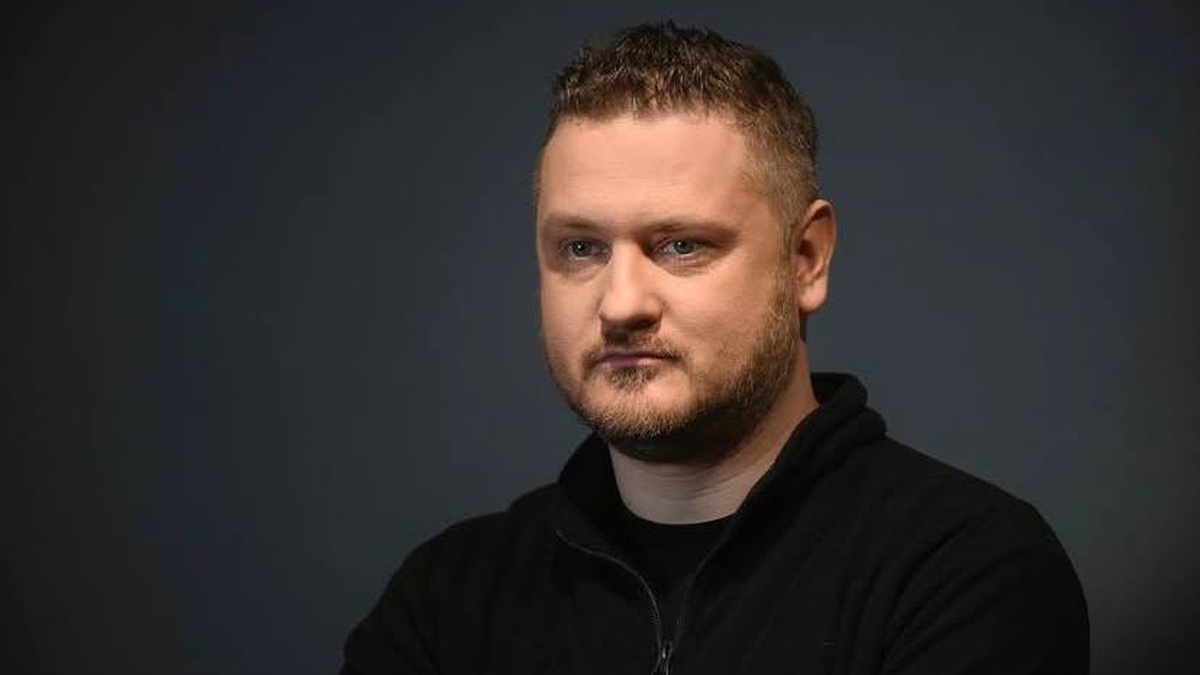
Russian forces are expected to escalate their offensive operations across the Ukrainian front throughout February, according to Andriy Kovalenko, who heads Ukraine’s Center for Countering Disinformation.
“The enemy will try to increase pressure on the front in February, both in the East and elsewhere,” Kovalenko stated Friday in a message shared on his Telegram channel. He emphasized that Ukrainian intelligence has already identified Russia’s strategic intentions, adding confidently that “they will not achieve their goals.”
Kovalenko further projected that Russian forces would maintain heightened military activity “until at least spring,” suggesting Ukraine is preparing for several more months of intensified combat operations.
This assessment comes amid a particularly challenging winter period for Ukrainian defenders. Military analysts have noted that frozen ground conditions typically facilitate mechanized maneuvers, potentially giving Russian forces enhanced mobility for offensive operations during the colder months. The anticipated escalation aligns with patterns observed in previous winter campaigns throughout the nearly two-year-old conflict.
The eastern front, particularly in the Donetsk region, has seen some of the war’s most brutal fighting in recent months. Russian forces have made incremental advances around key strongholds including Avdiivka, where Ukrainian troops have been engaged in fierce defensive operations against numerically superior Russian units.
Ukraine’s military intelligence has repeatedly warned that Russia has been amassing troops and equipment for renewed offensive pushes, with particular concern about pressure points along the 1,000-kilometer front line. Despite facing significant casualties, Russian forces have maintained offensive momentum through continuous mobilization efforts and the deployment of recruits with minimal training.
Military experts suggest the anticipated February escalation may be timed to coincide with the two-year anniversary of Russia’s full-scale invasion, which began on February 24, 2022. Symbolic dates have previously seen increased military activity from Russian forces.
Ukrainian defense officials have expressed concerns about ammunition shortages and delays in Western military aid, which could impact their ability to counter a large-scale Russian offensive. The United States’ $60 billion aid package for Ukraine remains stalled in Congress, creating uncertainty about the sustainability of Ukraine’s defensive capabilities against renewed pressure.
For Ukraine, anticipating Russia’s moves provides valuable time to reinforce defensive positions and allocate limited resources to the most vulnerable sectors of the front. Kovalenko’s public messaging may also serve to prepare the Ukrainian population for potentially difficult weeks ahead while projecting confidence in the armed forces’ ability to withstand the expected pressure.
The Center for Countering Disinformation, which Kovalenko leads, plays a crucial role in identifying and countering Russian information operations that typically accompany major military initiatives. These information campaigns often aim to demoralize Ukrainian resistance and influence Western public opinion regarding military support for Ukraine.
As February begins, Ukrainian forces are bracing for what could be one of the most challenging periods of the conflict since the initial invasion, with the outcome potentially reshaping the strategic landscape as both sides look toward possible spring operations.
Fact Checker
Verify the accuracy of this article using The Disinformation Commission analysis and real-time sources.
