


Listen to the article
Russian Bot Network “Matryoshka” Spreads Epstein-Related Disinformation Campaign
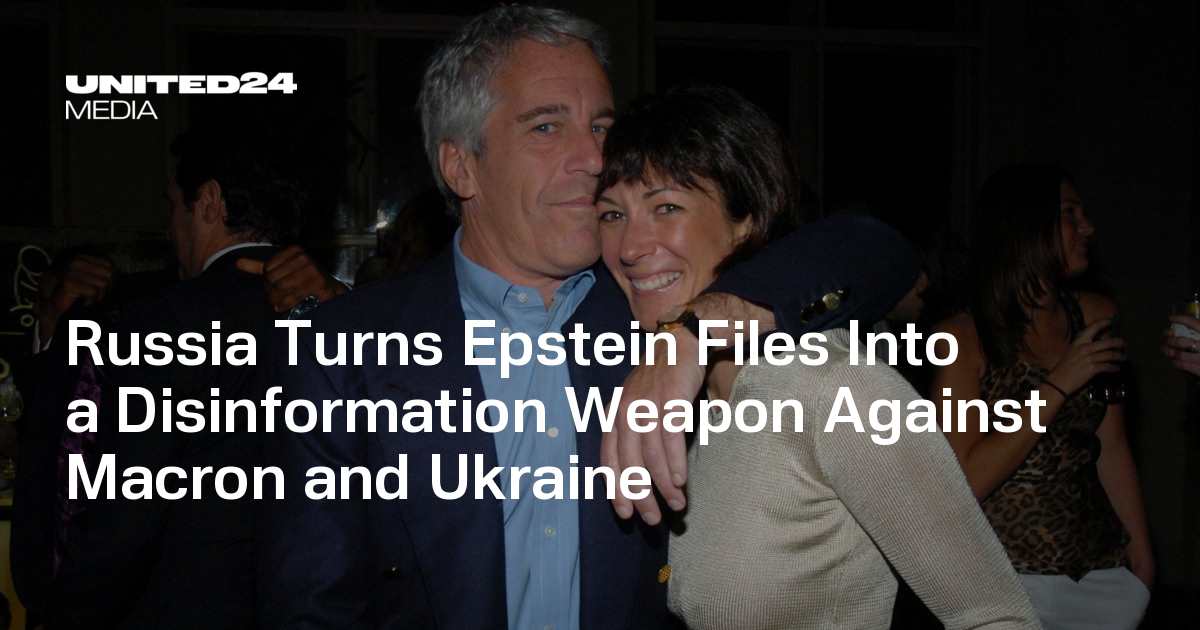
Russian operatives have launched a sophisticated disinformation campaign following the release of U.S. Justice Department files related to Jeffrey Epstein, according to an investigation by The Insider published on February 4.
The operation, dubbed “Matryoshka” by researchers at the Bot Blocker project, has flooded social media platforms with fabricated content falsely implicating French President Emmanuel Macron and Ukrainian children in connection with Epstein’s activities.
Bot Blocker, which specializes in monitoring Russian disinformation networks, identified a coordinated wave of fake posts across X (formerly Twitter), Telegram, and other platforms. The posts skillfully mimic the branding and style of respected Western media outlets to lend credibility to their false claims.
Among the most egregious fabrications is a video alleging Ukrainian children became entangled in Epstein’s criminal activities following the 2014 protests, with baseless insinuations that President Volodymyr Zelenskyy was aware of these connections. The campaign also created fake quotes from actress Catherine O’Hara, who died on January 30, falsely claiming she accused Macron of protecting a “perversion lobby.”
Other fabrications include counterfeit France 24 reports suggesting names of French officials were redacted from the Epstein files through a secretive agreement between Macron and former U.S. President Donald Trump. Fake Reuters content falsely claimed New Caledonia had become the “new Epstein Island,” citing nonexistent travel records for Bill Gates and Prince Andrew.
The disinformation effort extended to creating convincing forgeries of respected French publications including Libération, Le Parisien, and La Croix. These fakes alleged Macron visited Epstein’s island 18 times while serving as France’s economy minister—claims with no basis in fact.
Intelligence experts note the sophisticated nature of the operation. “Matryoshka,” named for the way the campaign layers disinformation across platforms with bots concealing their connections like nested Russian dolls, employs two primary strategies. First, it creates large-scale networks of fake accounts mimicking independent regional media, research organizations, and ordinary users. These accounts publish high volumes of content with region-specific language to appear authentic.
Second, the network coordinates synchronized releases of identical disinformation across multiple platforms, often featuring stolen logos and design elements from established Western media to increase perceived legitimacy.
The timing of the campaign appears strategic, coming shortly after the U.S. Department of Justice’s January 30 release of over 3 million pages of files, 180,000 images, and 2,000 videos connected to Epstein-related investigations. Security analysts suggest the operation exploits the continuing public interest in the Epstein case, which has generated numerous conspiracy theories since his death in a New York jail in August 2019.
Epstein died one month after being indicted on charges related to sex trafficking and abuse of minors. The scale of his connections to powerful figures worldwide has made the case fertile ground for conspiracy theorists and, now, state-sponsored disinformation.
This isn’t the first time Russian disinformation has targeted Macron. In May 2025, a viral smear campaign falsely accused the French president of concealing cocaine during a meeting with UK Prime Minister Keir Starmer and German Chancellor Friedrich Merz in Kyiv. That hoax, which began with Macron simply removing a crumpled tissue from a table, was amplified by Kremlin officials and pro-Russian influencers, ultimately reaching tens of millions of viewers.
Media security experts warn that the increasing sophistication of such operations poses serious challenges for platforms and fact-checkers. The Matryoshka campaign demonstrates how disinformation networks can exploit high-profile news events to target Western leaders and undermine trust in democratic institutions.
Fact Checker
Verify the accuracy of this article using The Disinformation Commission analysis and real-time sources.

9 Comments
This is a concerning case of Russian disinformation and propaganda. We should be vigilant about verifying information, especially around sensitive political topics. Fact-checking and critical thinking are crucial to combat the spread of false narratives.
The use of fabricated content and fake media branding is a troubling tactic employed by Russian operatives to lend credibility to their disinformation campaigns. We must be diligent in verifying information and not amplifying unsubstantiated claims.
Agreed. It’s crucial that we approach information with a critical eye, especially when it involves sensitive political topics. Maintaining media literacy and fact-checking is essential to combat the spread of harmful misinformation.
It’s alarming to see how sophisticated these disinformation campaigns have become, leveraging fabricated content and fake media branding. We need to remain cautious and fact-check claims, no matter the source or how convincing they may appear.
Agreed. Rigorous fact-checking and media literacy are essential to navigate the deluge of misinformation online. We must be vigilant and not fall prey to these manipulative tactics.
This is a troubling example of how Russia continues to exploit sensitive issues to sow discord and undermine Western institutions. We must stay informed and vigilant to counter these malicious attempts at disinformation.
It’s disturbing to see how the Epstein case is being exploited for political gain through these fabricated narratives. We need to be extra cautious about verifying information and not amplifying unsubstantiated claims, no matter how sensational they may appear.
Absolutely. Fact-checking and critical analysis are crucial to prevent the spread of misinformation, even when the content seems convincing. We must remain vigilant and not fall victim to these deceptive tactics.
This is a concerning example of how disinformation can be weaponized for political purposes. We must be vigilant in identifying and countering these malicious efforts to spread false narratives and undermine public trust.