


Listen to the article
In a concerning development for regional stability, Russia appears to be ramping up its disinformation efforts in Armenia as the country approaches elections next year, according to European Union foreign policy chief Kaja Kallas.
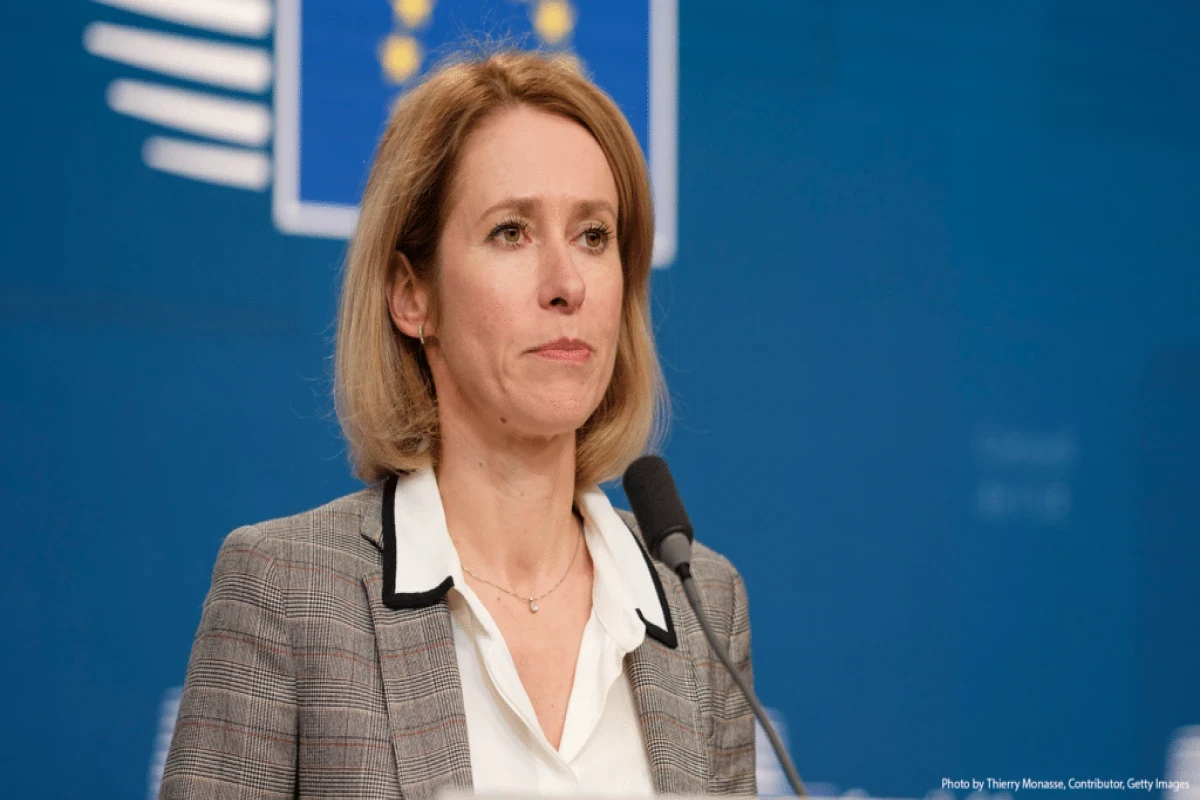
Speaking at a recent EU Foreign Affairs Ministers’ Committee meeting, Kallas, who serves as High Representative for Foreign Affairs and Security Policy and Vice-President of the European Commission, highlighted the growing threat of Russian information warfare in the South Caucasus region.
“Russia is expanding its disinformation campaign in Armenia ahead of next year’s elections,” Kallas stated during her address to EU foreign ministers. Her comments reflect mounting concern within European diplomatic circles about Moscow’s attempts to influence democratic processes in former Soviet states.
The warning comes amid already heightened geopolitical tensions in Armenia. The country has experienced significant political shifts in recent years, particularly following the 2020 Nagorno-Karabakh conflict with Azerbaijan, which resulted in territorial losses and increased Russian military presence in the region.
Kallas drew parallels to similar Russian efforts elsewhere, noting that “the main target of such campaigns this year was Moldova.” Moldova, another former Soviet republic, has faced intensifying Russian information operations as it pursues closer ties with the European Union. The country held critical elections earlier this year amid documented Russian attempts to undermine its democratic processes through coordinated disinformation.
The EU foreign policy chief emphasized the urgent need to strengthen defenses against such operations. “Kallas emphasized the importance of strengthening the fight against Russia’s disinformation campaign,” according to reports from the meeting.
Armenia’s strategic position makes it particularly vulnerable to Russian influence operations. The landlocked nation has historically maintained close ties with Moscow while also pursuing relations with Western institutions. In recent years, however, public sentiment has grown increasingly complex as Armenia navigates its security concerns, democratic aspirations, and regional relationships.
Russia maintains significant economic and military leverage in Armenia, including a military base in the country. Analysts suggest this gives Moscow multiple channels through which to exert influence, particularly during sensitive political periods such as elections.
The European Union has been working to counter Russian disinformation across Eastern Europe and the Caucasus through various initiatives, including election monitoring missions and media literacy programs. Kallas acknowledged these efforts in her address, stating, “The EU highly values its cooperation with this country regarding the monitoring of elections in Moldova.”
Election monitoring has become an increasingly critical component of the EU’s strategy to support democratic processes in neighboring regions. Such missions help validate electoral results and identify external interference, providing crucial legitimacy during politically sensitive transitions.
For Armenia, the warning comes at a delicate moment. The country has been governed by Prime Minister Nikol Pashinyan since the 2018 “Velvet Revolution,” which initially signaled a potential shift toward more Western-oriented policies. However, the aftermath of the 2020 Nagorno-Karabakh conflict complicated Armenia’s geopolitical position, forcing it to balance relations with Russia, the EU, and regional powers.
Security experts note that Russian disinformation typically exploits existing social divisions, often targeting issues like national security, economic stability, and cultural identity. In Armenia’s case, the painful losses in the Nagorno-Karabakh conflict and resulting public discontent provide fertile ground for such campaigns.
The EU’s decision to raise this issue publicly signals both concern about the specific situation in Armenia and a broader recognition of Russia’s systematic efforts to undermine democratic processes across its perceived sphere of influence. As Armenia approaches its electoral cycle, international observers will likely increase scrutiny of information flows and potential foreign interference in the country’s democratic processes.
Fact Checker
Verify the accuracy of this article using The Disinformation Commission analysis and real-time sources.

7 Comments
The geopolitical tensions in the region make Armenia’s upcoming elections even more important. Kudos to the EU for calling out Russia’s disinformation efforts – it’s crucial to expose these tactics and support democratic institutions.
Interesting developments in the South Caucasus. Russia’s information warfare tactics aim to sow discord and weaken democracies. Armenia needs to stay vigilant and work closely with partners to protect its electoral process.
Russia’s meddling in Armenia’s affairs is concerning. Disinformation can have serious consequences for the country’s stability and sovereignty. Hoping Armenia and the international community can effectively counter these malign influence operations.
Absolutely. Disinformation erodes public trust and undermines democracy. Armenia will need robust safeguards to ensure a free and fair electoral process.
Disinformation is a serious threat to democratic processes. Russia’s influence operations in former Soviet states like Armenia are alarming. Hoping the EU and Armenia can work together to safeguard the integrity of the upcoming elections.
Agreed. Transparent and fair elections are crucial for Armenia’s stability and sovereignty. Effective counter-disinformation measures will be key.
Concerning to see Russia ramping up disinformation campaigns in the region. Armenia’s political landscape has been volatile, and external interference in elections is worrying. Curious to see how the EU and Armenia respond to counter these efforts.