


Listen to the article
Russian disinformation campaign targets Ukraine-Hungary tensions with fake videos
A sophisticated disinformation campaign linked to the Kremlin is actively exploiting diplomatic tensions between Ukraine and Hungary, according to researchers at the Bot Blocker project who track pro-Russian bot activity across social media platforms.
The network, dubbed “Matryoshka,” has been disseminating fabricated videos carrying the logos of reputable Western media outlets and organizations, including Reuters, Euronews, RFI, and Human Rights Watch. These forgeries promote several false narratives designed to inflame existing tensions and damage Ukraine’s standing among European allies.
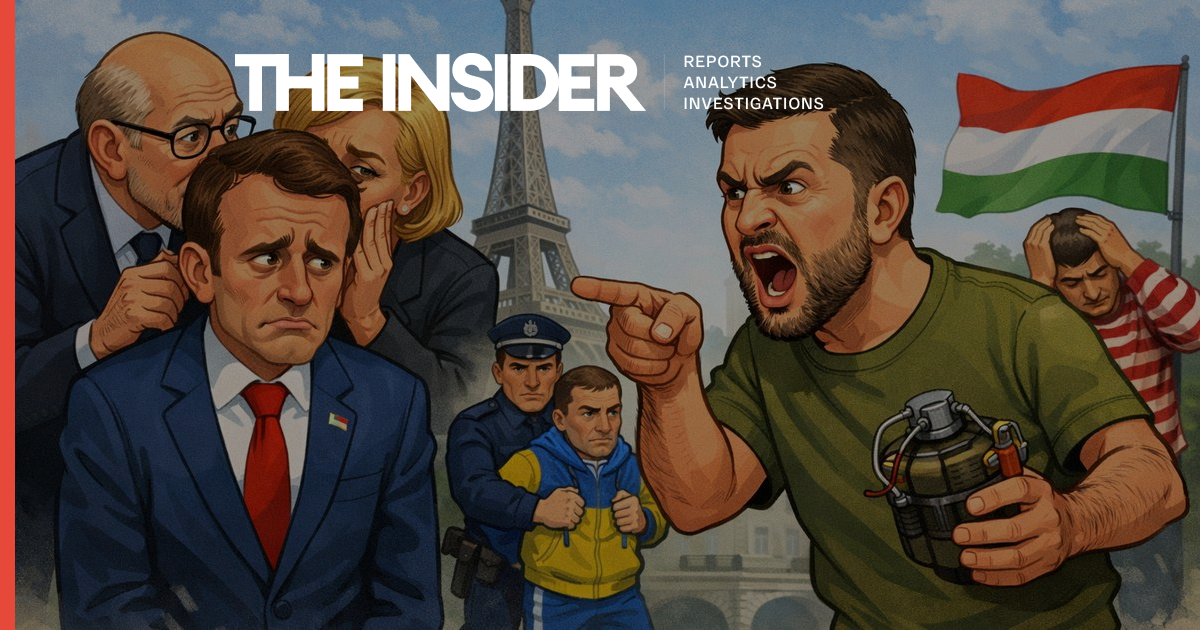
One fabricated video bearing the RFI logo falsely quotes French political scientist Bruno Perreau claiming that President Emmanuel Macron faces internal pressure to distance himself from Ukrainian President Volodymyr Zelensky, whom the fake quote describes as a “toxic country bumpkin.” The video further suggests Macron risks being perceived as “the eternally patient European who can be shouted at and insulted by any urban lunatic” if he maintains support for Ukraine.
Another fraudulent video attributed to Human Rights Watch falsely claims a Ukrainian refugee attempted to throw an improvised grenade at the Hungarian Embassy in Paris. The fabricated report states the suspect was released after 10 hours due to insufficient evidence. No such incident has been documented by legitimate sources.
The disinformation campaign extends to additional false claims, including an invented report that Human Rights Watch documented over a thousand attacks by Ukrainian refugees on Hungarian citizens across Europe. Another counterfeit video, featuring the Institute for the Study of War logo, falsely attributes a quote to analyst Brian Babcock-Lumish stating “Zelensky is challenging the status of the entire European Union by threatening Viktor Orban.”
Perhaps most inflammatory is a forged Reuters video claiming Zelensky called Hungarian citizens “retards” in an interview with Politico. The fake report alleges this comment “was not included in the final version of the interview and was removed during editing.”
The fabrications appear designed to capitalize on genuine diplomatic tensions between Ukraine and Hungary that escalated in January when Ukraine suspended Russian oil deliveries to Hungary through the Druzhba pipeline. Ukraine attributed the disruption to pipeline damage from a Russian drone strike, while Hungary characterized it as political leverage. In response, Hungary blocked a €90 billion EU loan package for Ukraine.
Tensions further escalated in March when Zelensky made comments interpreted as veiled threats, saying: “We hope that no-one in the European Union will block the €90 billion [of EU aid]. Otherwise we will give that person’s address to our armed forces so they can call on him and speak to him in their own language.”
The diplomatic situation deteriorated further when Hungarian authorities detained Ukrainian bank couriers transporting $40 million, €35 million, and 9 kilograms of gold from Austria. Budapest seized the assets, claiming it needed to verify the funds weren’t destined for Hungarian criminal or political organizations. Hungarian Transport Minister Janos Lazar stated the funds would remain confiscated until oil deliveries resumed.
Hungary subsequently passed a parliamentary resolution opposing Ukraine’s EU accession and halted fuel deliveries to Ukraine, while neighboring Slovakia cut emergency electricity supplies to Kyiv.
The “Matryoshka” operation represents a sophisticated Russian influence campaign combining automated bots, human trolls, and anonymous media outlets to generate large volumes of false content across multiple platforms. Experts describe its structure as layered like a matryoshka doll – each layer concealing another, making attribution and tracking challenging.
The operation deploys numerous fake accounts posing as authentic users, research organizations, and independent media, generating dozens or hundreds of posts daily. These accounts carefully mimic local language patterns and contextual cues to appear legitimate while coordinating the dissemination of fabricated stories across platforms including X (formerly Twitter), Telegram, Bluesky, and private messaging groups.
By appropriating the logos and visual styles of respected media outlets and organizations, the campaign attempts to manufacture credibility for content designed to exacerbate existing tensions between Ukraine and its European partners during a critical period in the ongoing conflict with Russia.
Fact Checker
Verify the accuracy of this article using The Disinformation Commission analysis and real-time sources.

12 Comments
This report highlights the Kremlin’s willingness to deploy advanced tactics like bot networks to spread disinformation. It’s a troubling escalation in their information warfare against Ukraine and its allies.
Exposing and debunking these fabricated narratives will be crucial to maintain public trust and support for Ukraine.
The report highlights the Kremlin’s willingness to resort to underhanded tactics like this bot network to sow discord between Ukraine and its allies. This is a concerning escalation of their information warfare.
Addressing this kind of disinformation should be a priority for those monitoring and responding to the ongoing conflict.
This is an alarming development, using bots to widely disseminate fabricated videos and quotes. It’s a brazen attempt to manipulate public opinion and undermine Ukraine’s position in Europe.
The international community must remain vigilant and work together to expose and counter these coordinated disinformation campaigns.
Forging media content and using bots to spread it is a sneaky and deceptive approach. It’s troubling to see the lengths the Kremlin will go to in an effort to undermine Ukraine’s relationships.
Continued vigilance and fact-checking will be crucial to combat these types of coordinated disinformation campaigns.
Interesting report on the Kremlin’s disinformation tactics targeting Ukraine-Hungary relations. It’s concerning to see the use of sophisticated bot networks and fabricated media content to sow discord between allies.
It’s a stark reminder of the need for diligent fact-checking and media literacy to combat the spread of online misinformation.
The Matryoshka network’s use of fabricated videos and quotes is a blatant attempt to manipulate public opinion. This kind of sophisticated disinformation tactic is deeply concerning.
Strengthening media literacy and resilience against online falsehoods should be a priority to counter these malicious efforts.