


Listen to the article
Russian Disinformation Campaign Targets US Hurricane Response, Aims to Undermine Ukraine Support
Russian disinformation efforts are exploiting recent natural disasters to sow division among Americans and reduce support for Ukraine, according to research findings shared by a leading expert on Friday.
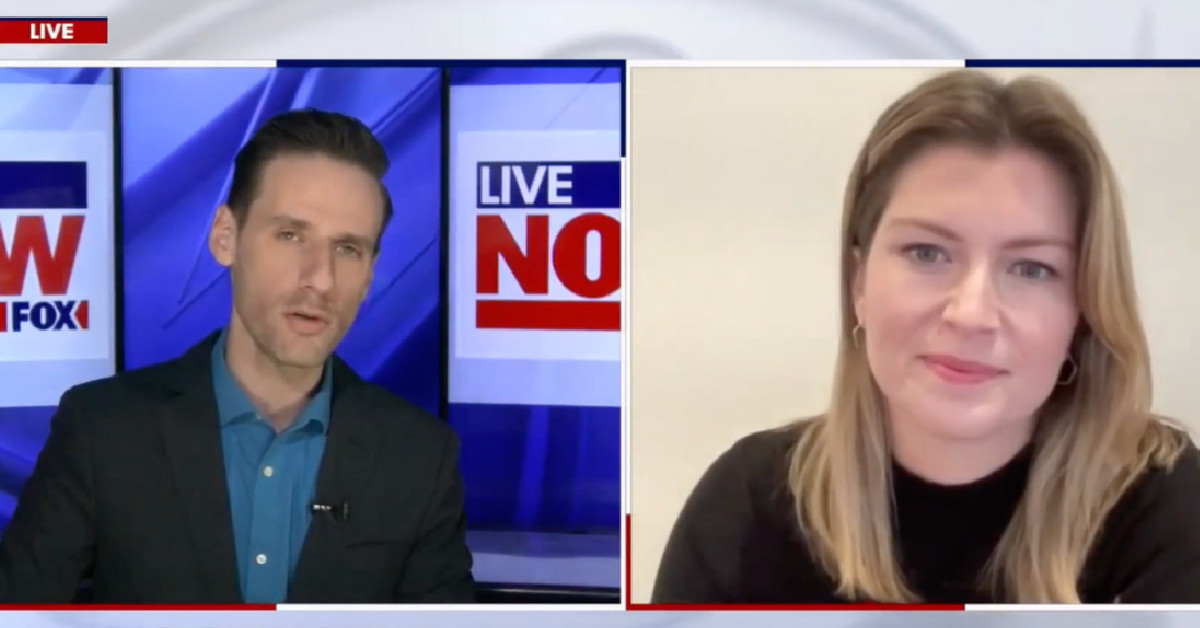
Melanie Smith, Director of Research at the Institute for Strategic Dialogue (ISD) US, revealed in an interview with LiveNOW from FOX that Russian operatives are orchestrating a coordinated campaign across social media platforms focusing on the US government’s response to Hurricanes Helene and Milton.
“What we’re seeing is a sophisticated attempt to create narratives that pit domestic disaster relief against foreign aid,” Smith explained during the interview. The disinformation campaign specifically promotes claims that the Federal Emergency Management Agency (FEMA) funds are being diverted from hurricane victims to support Ukraine’s defense efforts.
The timing of these information operations is particularly strategic, coming as parts of the southeastern United States continue recovery efforts from Hurricane Helene’s devastating impact across North Carolina, South Carolina, Tennessee, and Georgia, while Florida communities assess damage from Hurricane Milton’s recent landfall.
According to ISD’s research, the Russian campaign employs multiple tactics, including the creation of misleading content, amplification through bot networks, and the strategic targeting of communities directly affected by the hurricanes.
Smith noted that this represents an evolution in Russia’s disinformation playbook. “These campaigns are becoming increasingly sophisticated and overt,” she said. “They’re designed to exploit real concerns and anxieties that Americans have during times of crisis.”
The research indicates that while Russian disinformation efforts have targeted political candidates across the spectrum during this election cycle, former President Donald Trump appears to receive more favorable treatment in Russian messaging operations. Smith attributed this to Trump’s previously stated positions on Ukraine, which have at times questioned the extent of US support for the war-torn country.
“What makes these campaigns particularly effective is how they blend legitimate concerns with manufactured narratives,” Smith said. “They take genuine questions about disaster relief funding and transform them into divisive content designed to erode trust in institutions.”
The ISD findings come amid growing concern from national security experts about foreign interference in American public discourse, particularly as the November presidential election approaches. The Department of Homeland Security and other federal agencies have repeatedly warned about Russian efforts to influence US voters through social media manipulation.
Media literacy experts emphasize that these disinformation campaigns often succeed by exploiting emotional reactions to current events. The hurricanes, which have caused billions in damage and claimed dozens of lives, create fertile ground for content designed to provoke outrage.
Smith stressed the importance of public vigilance in combating these influence operations. “We’re encouraging everyone to read beyond headlines, check sources, and be particularly skeptical of content that seems designed primarily to trigger strong emotional reactions,” she advised.
Social media companies have implemented various measures to identify and label state-backed influence operations, though critics argue these efforts remain insufficient given the scale and sophistication of foreign disinformation campaigns.
The Russian campaign targeting hurricane response represents a concerning convergence of domestic disaster politics with geopolitical objectives related to Ukraine. By attempting to frame US support for Ukraine as coming at the expense of American disaster victims, Russian operatives aim to weaken the bipartisan consensus that has sustained American military and financial support for Ukraine since Russia’s full-scale invasion began in February 2022.
As communities across the southeastern United States continue recovery efforts, officials urge residents to rely on official government sources and established news outlets for accurate information about disaster relief operations and funding.
The full interview with Smith, which contains additional details about ISD’s research findings, is available on LiveNOW from FOX’s YouTube channel.
Fact Checker
Verify the accuracy of this article using The Disinformation Commission analysis and real-time sources.
