


Listen to the article
Germany has officially accused Russia of conducting a cyber-attack against German air traffic control and attempting to interfere in the country’s federal election, marking a significant escalation in tensions between the two nations.
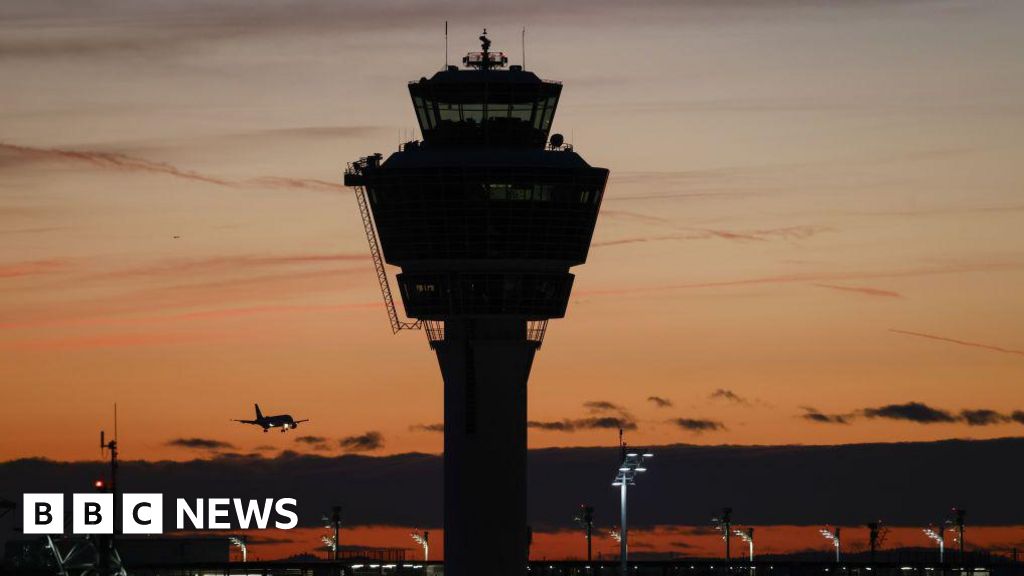
The German foreign ministry announced it had summoned the Russian ambassador following confirmation that Russian military intelligence was behind a cyber-attack targeting air traffic control systems in August 2024. The ministry spokesperson directly attributed the attack to the notorious Russian hacker group Fancy Bear.
“Our intelligence findings prove that the Russian military intelligence service GRU bears responsibility for this attack,” the spokesperson stated. Germany’s air navigation service provider confirmed its office communication systems had been compromised, though they emphasized that actual flight operations remained unaffected.
In addition to the cyber-attack, German officials accused Moscow of orchestrating a disinformation campaign codenamed “Storm 1516” designed to “influence and destabilize” Germany’s federal election held in February. The campaign reportedly targeted prominent political figures, including then-candidates Robert Habeck of the Green Party and Friedrich Merz of the Christian Democratic Union, who is now Germany’s Chancellor.
German security agencies identified fake videos alleging ballot manipulation circulating just days before the election, which they believe were part of Russia’s coordinated disinformation efforts.
Russia has vehemently denied these allegations. In a statement to AFP news agency, the Russian embassy in Berlin called the accusations “baseless, unfounded and absurd,” rejecting claims of Russian state involvement in such incidents or hacker group activities.
The confrontation occurs amid growing European concern about Russian cyber operations since Moscow’s full-scale invasion of Ukraine in 2022. Both the United Kingdom and Romania have made similar accusations against Russia in the past year, alleging interference in their domestic affairs, including targeting organizations providing assistance to Ukraine and meddling in presidential elections.
Germany has pledged to respond to these alleged hybrid attacks, stating it would work “in close coordination with its European partners” to ensure Russia “pays a price for its hybrid actions.”
The cyber-attack attribution to Fancy Bear is particularly significant given the group’s notorious history. Cybersecurity experts have previously linked the group to the 2016 attack on the U.S. Democratic National Committee and leaks of World Anti-Doping Agency data.
Relations between Berlin and Moscow have deteriorated dramatically since Russia’s invasion of Ukraine. Germany has emerged as one of Ukraine’s strongest supporters, providing substantial military, financial, and diplomatic backing to Kyiv. Chancellor Merz has been particularly vocal about using frozen Russian assets to support Ukraine and has repeatedly accused Russia of conducting cyber warfare against Germany.
However, tensions between the two nations predate the Ukraine conflict. In 2019, an ethnic Chechen was assassinated in broad daylight in Berlin’s Tiergarten Park by Russian national Vadim Krasikov. The incident prompted Germany to expel two Russian diplomats after prosecutors determined Krasikov was likely acting on orders from Russia’s state security agency.
This latest dispute represents another chapter in the increasingly hostile relationship between Germany and Russia, with cyber operations and information warfare becoming central battlegrounds alongside more traditional geopolitical conflicts.
As European nations strengthen their cybersecurity postures and cooperation, the incident highlights the evolving nature of interstate conflict in the digital age, where attacks on critical infrastructure and electoral processes can occur without traditional military engagement.
Fact Checker
Verify the accuracy of this article using The Disinformation Commission analysis and real-time sources.

10 Comments
This escalation in tensions between Russia and Germany is concerning. Both countries will need to handle the situation carefully to avoid further escalation.
Agreed. De-escalation and open communication will be crucial to finding a constructive path forward between the two nations.
The accusation that Russia was behind a cyber attack on German air traffic control is quite concerning. I hope the two countries can work to improve their relations and prevent future incidents.
Cyber attacks on critical infrastructure are a major threat. Germany will likely want to bolster its defenses to prevent similar attacks in the future.
Interesting development in the ongoing tensions between Russia and Germany. Cyber attacks and election interference are serious allegations – it will be important to see what evidence is presented to support them.
Agreed, these types of incidents can have significant geopolitical implications. Transparency and accountability will be key going forward.
The alleged Russian cyber attack on German air traffic control and election interference campaign are serious allegations. I hope the two countries can work to resolve these issues through diplomatic channels.
Absolutely. Maintaining open lines of communication and finding common ground will be key to managing this complex situation.
If the claims about Russia’s election interference campaign are accurate, that’s very troubling. Protecting the integrity of elections is fundamental to democracy.
Absolutely. Robust safeguards and transparency around electoral processes are essential to maintaining public trust.