


Listen to the article
RTÉ Appoints Disinformation Correspondent Amid Growing Online Falsehoods Concern
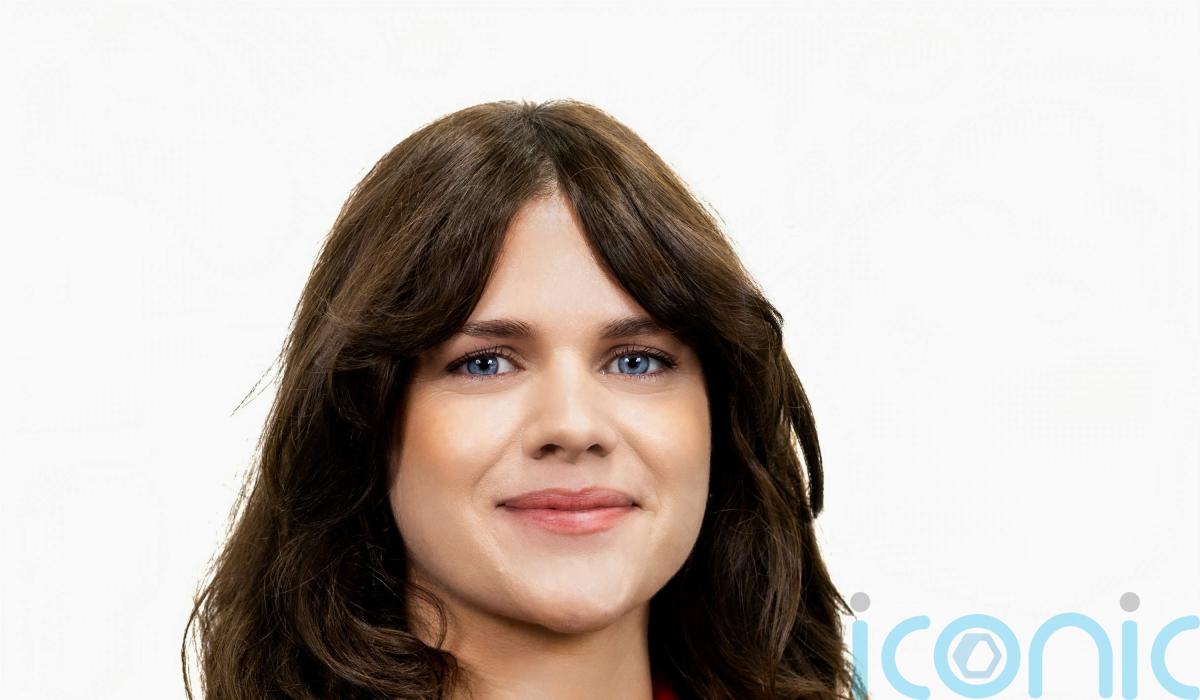
RTÉ has appointed multimedia journalist Kate McDonald as its new disinformation correspondent, marking a significant step in the national broadcaster’s commitment to tackling false and misleading information in the digital landscape.
McDonald, who has worked with RTÉ since 2023, will take on the role as part of the broadcaster’s Clarity unit, which focuses on disinformation, discourse, and democracy. The unit was established last year following RTÉ’s 2023 announcement of plans to hire a dedicated disinformation correspondent.
In her new position, McDonald will strengthen the broadcaster’s coverage on what RTÉ describes as “the growing challenge posed by false and misleading information online.” This includes investigating AI-generated deepfake content, which has become increasingly sophisticated and difficult to detect.
“I’m really looking forward to building on my work investigating online harms and their real-world impact,” McDonald said of her appointment. “Whether that’s the ‘rabbit hole’ effects of social media algorithms or the trading of personal data to track our movements.”
She added that she would continue to “examine how digital systems shape the information people encounter and how that affects their everyday lives,” highlighting the increasing importance of digital literacy in today’s media environment.
The appointment comes at a critical time when disinformation campaigns and fake news have become major concerns globally, affecting politics, public health, and social cohesion. Media organizations worldwide have been expanding their fact-checking operations and establishing dedicated units to combat misinformation.
In addition to McDonald’s appointment, RTÉ also announced that Prime Time journalist and presenter Louise Byrne will take on a new role as policy and analysis correspondent with the current affairs program.
This newly created brief will see Byrne “focus on how policies and actions impact everyday life,” according to RTÉ. She will be responsible for monitoring and interpreting government and EU policy developments for Prime Time on RTÉ One and across online platforms.
Byrne expressed enthusiasm for her new role, stating: “I’m really looking forward to the new challenge – bringing context, background and analysis on key policy decisions to our viewers.”
She emphasized the timeliness of her appointment amid significant planned increases in government capital spending: “The State is planning a significant increase in capital spending as part of its plan to boost housing and infrastructure. There’s never been a more important time for Prime Time to ensure its sharpest focus on the decisions and projects ahead.”
These appointments reflect a growing trend among public service broadcasters to dedicate resources to specialized areas of journalism that help audiences navigate complex information landscapes. Similar roles have been created at other major news organizations including the BBC, which has its own disinformation and social media correspondent positions.
Media experts suggest that such specialized roles are crucial in helping rebuild public trust in news organizations at a time when confidence in media has been eroded partly due to the proliferation of false information online.
The Clarity unit represents RTÉ’s strategic response to these challenges, positioning the broadcaster as not only a provider of news but also as a guide for viewers and listeners in distinguishing credible information from falsehoods in an increasingly complex media environment.
As digital platforms continue to evolve and AI technologies advance, the role of public service media in providing reliable information and context becomes increasingly vital to maintaining a well-informed democracy.
Fact Checker
Verify the accuracy of this article using The Disinformation Commission analysis and real-time sources.

18 Comments
I’m curious to see how RTÉ’s new disinformation unit approaches investigating algorithms, data privacy, and other complex digital issues. Effective coverage in this space will be important.
Absolutely. Disinformation can have serious consequences, so it’s good to see RTÉ taking a proactive stance on this.
I’m curious to see how RTÉ’s new disinformation correspondent will approach topics like social media algorithms and the use of personal data. Thoughtful, nuanced coverage will be key.
Yes, tackling complex digital issues like these requires in-depth analysis. I’m glad RTÉ is devoting resources to this important area of reporting.
It will be interesting to see how RTÉ’s new disinformation unit tackles issues like AI-generated deepfakes and the role of algorithms in the spread of false information. Nuanced reporting is crucial.
Absolutely. Disinformation is a complex and evolving challenge, so a dedicated correspondent should help provide much-needed clarity and insight for the public.
Interesting move by RTÉ to address the growing disinformation challenge. Having a dedicated correspondent should help shine a light on this issue and its real-world impacts.
Agreed, tackling online falsehoods and AI-generated deepfakes is crucial for maintaining trust in media and public discourse.
It will be interesting to see how RTÉ’s new disinformation unit approaches covering topics like AI-generated content and data privacy. Thoughtful, nuanced reporting is needed in this space.
Agreed. Disinformation is a complex challenge, so a dedicated correspondent should help provide much-needed clarity for the public.
The appointment of a disinformation correspondent at RTÉ is a welcome development. Effective coverage of online falsehoods and their real-world impacts is vital for an informed public.
Agreed. Disinformation can undermine trust in media and democratic institutions, so having a dedicated specialist at RTÉ is a positive step forward.
Kudos to RTÉ for taking this important step to address the growing challenge of disinformation. A dedicated correspondent should help drive meaningful reporting on this critical issue.
Absolutely. Disinformation can have serious consequences, so having a specialist focused on investigating and explaining this phenomenon is a smart move.
The creation of a disinformation correspondent role at RTÉ is a positive development. Shining a light on online falsehoods and their real-world impacts is crucial for an informed citizenry.
I’m hopeful that RTÉ’s coverage in this area will be thorough and objective, helping the public navigate the ever-evolving digital landscape.
The appointment of a dedicated disinformation correspondent signals RTÉ’s commitment to informing the public about emerging online threats. I hope this leads to impactful reporting.
Yes, transparency around these issues is crucial. I’m glad to see RTÉ take this step to address the rise of false and misleading information.