


Listen to the article
Roads and Highways Minister Kwame Agbodza has forcefully rejected claims circulating on social media that contracts under the government’s “Big Push” infrastructure initiative have been awarded to contractors with inadequate staffing and resources.
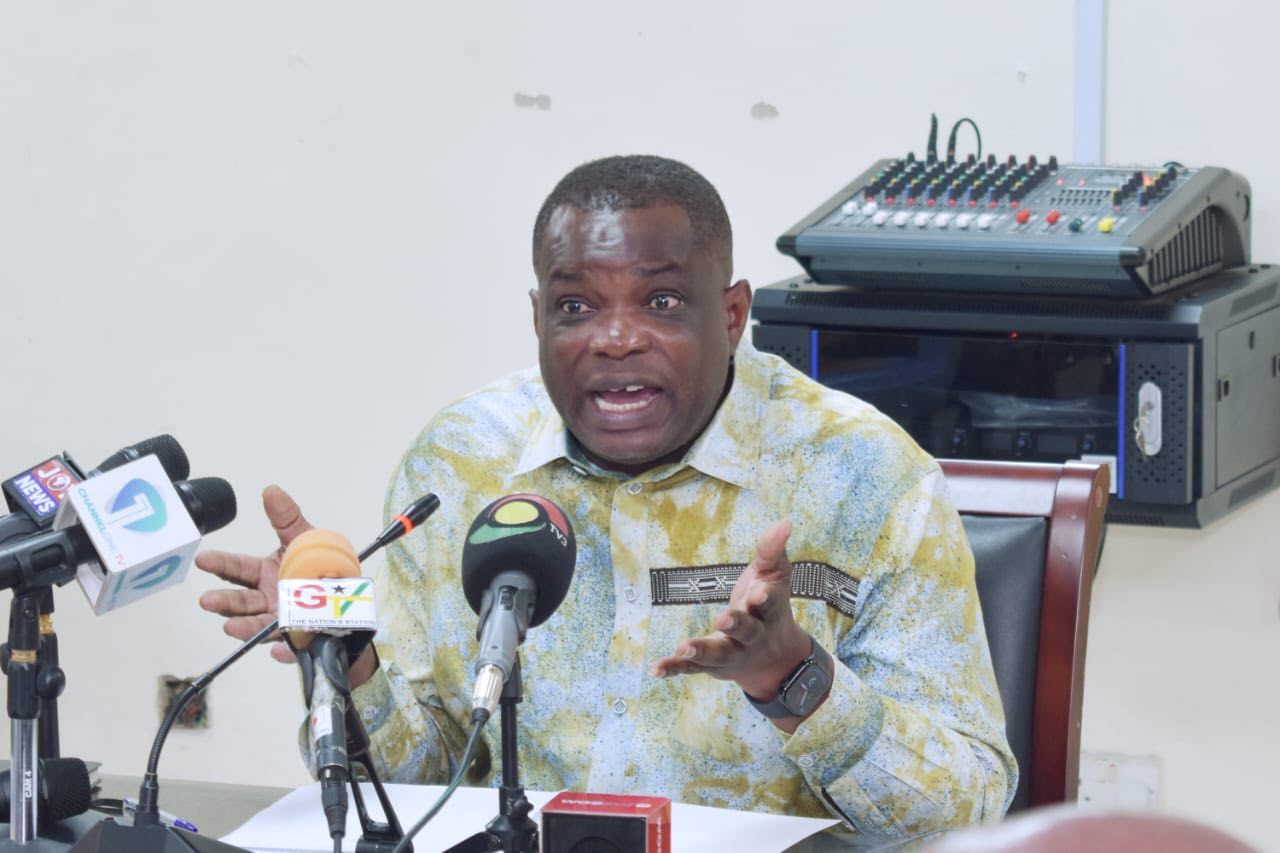
Speaking to journalists after a recent parliamentary session, Agbodza characterized these allegations as “disinformation” designed to undermine the credibility of the infrastructure program, which represents a significant component of the government’s economic development strategy.
“It is simply untrue that we are awarding major national infrastructure contracts to companies with just one staff member,” Agbodza stated. “No Ghanaian contractor operates with a single employee. These are established firms with the necessary technical expertise, equipment, and human resources to execute substantial infrastructure projects.”
The Minister explained that the contractor selection process includes rigorous vetting procedures, with firms required to demonstrate their capacity, track record, and financial stability before being considered for government contracts. This includes verification of staffing levels, equipment inventory, and previous project experience.
The “Big Push” initiative, launched by the current administration, aims to accelerate infrastructure development across Ghana, with particular emphasis on road construction, rehabilitation, and maintenance. The program has been allocated approximately GH₵10 billion (about $800 million) in the national budget, reflecting its priority status in the government’s development agenda.
Industry analysts note that infrastructure development remains critical to Ghana’s economic growth objectives, particularly as the country works to improve connectivity between agricultural regions and urban markets, enhance port access, and create jobs in the construction sector.
Emmanuel Martey, an economist at the University of Ghana Business School, explained the broader context: “Road infrastructure is particularly vital for Ghana’s economic development. Poor road networks contribute significantly to post-harvest losses in the agricultural sector and increase transportation costs for goods, ultimately raising consumer prices.”
The controversy emerges against a backdrop of ongoing scrutiny of government procurement practices, with opposition parties and civil society organizations frequently raising concerns about transparency in contract awards. Several watchdog organizations have called for greater public disclosure regarding the specific criteria used in selecting contractors for major infrastructure projects.
Ghana’s construction industry has experienced significant growth in recent years, employing approximately 320,000 people directly and supporting many more jobs indirectly through supply chains. Local contractors have increasingly gained capacity to handle more complex projects, though foreign firms still dominate the largest infrastructure contracts.
According to the Ghana Institution of Engineering, a registered contractor typically employs at minimum 15 to 20 full-time staff for medium-sized projects, with larger firms maintaining permanent workforces of 100 or more employees, supplemented by additional contract workers during active construction phases.
Agbodza addressed concerns about the financial sustainability of the “Big Push” program, acknowledging that Ghana’s current economic challenges require careful management of public expenditure. However, he defended the initiative as essential for long-term economic development.
“We are making strategic investments that will yield returns through increased economic activity, improved market access for farmers, and reduced vehicle operating costs,” he said. “These are not just construction projects; they are economic enablers.”
The Minister urged the public to disregard misinformation and instead focus on the visible progress being made across various project sites nationwide. He invited skeptics to visit ongoing construction sites to witness firsthand the scale of operations and the number of workers employed.
Industry stakeholders have generally welcomed the government’s focus on infrastructure development, while emphasizing the importance of maintaining high standards and ensuring timely completion of projects.
As the “Big Push” program advances, government officials indicate that regular progress updates will be provided to enhance transparency and public confidence in the initiative’s implementation.
Fact Checker
Verify the accuracy of this article using The Disinformation Commission analysis and real-time sources.

5 Comments
Refuting ‘disinformation’ claims is tricky – the Minister will need to provide clear evidence to back up the contractor qualifications. Transparency around the selection process could help address any lingering doubts.
Interesting to hear the Minister refute these claims of ‘disinformation’ around the Big Push infrastructure contracts. Transparency around the vetting process and contractor qualifications is important for public trust.
This is an important issue for Ghana’s economic development. I’m curious to learn more about the specifics of the contractor selection process and how the government is ensuring quality and capacity for these Big Push projects.
The Minister’s assertion that no Ghanaian contractors operate with just a single employee seems reasonable. Major infrastructure projects require substantial technical expertise and resources. It will be important to see the evidence backing up the vetting claims.
The government’s infrastructure program is critical, so it’s understandable they would want to push back on any perceived disinformation. Rigorous vetting seems prudent, but the details will be key for public confidence.