


Listen to the article
AI System Developed in Saskatchewan Accelerates Fight Against Russian Disinformation
An artificial intelligence safety research project with roots at the University of Regina has evolved into a powerful tool for combating Russian disinformation campaigns, dramatically reducing the time needed to identify and counter fake news.
The system, called CIPHER, can detect coordinated Russian efforts to spread misleading text and images online by tracking content from its original source through various sharing channels across Canada. What makes this tool particularly valuable is its ability to identify sophisticated disinformation that lacks the obvious markers that made fake content easier to spot in the past.
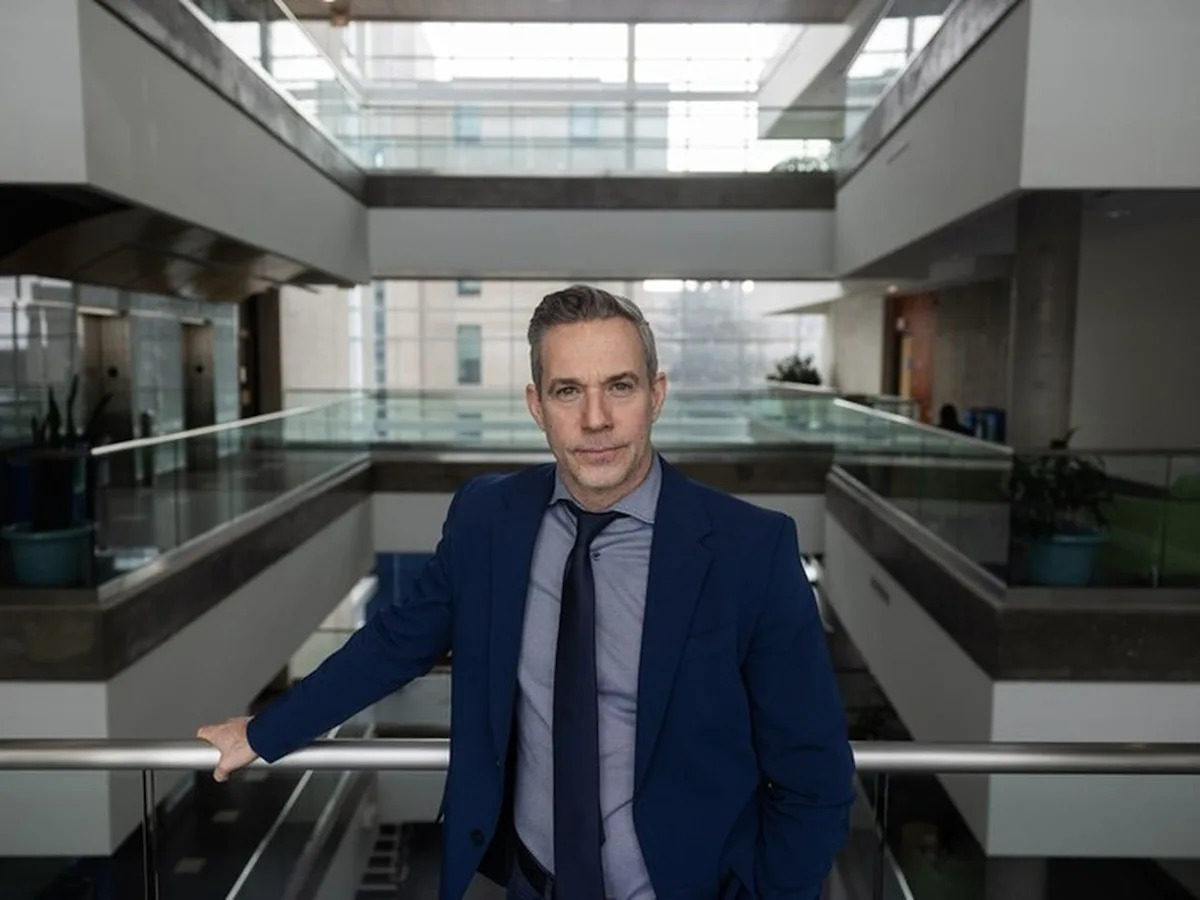
“There’s an AI arms race happening in disinformation right now, as generative AI comes online and as adversaries and malicious actors are learning how to use it more effectively for what they do,” explained Brian McQuinn, co-director at the University of Regina’s Centre for Artificial Intelligence, Data, and Conflict and one of CIPHER’s lead researchers.
The rapid advancement in AI technology has accelerated CIPHER’s development timeline, bringing it online nearly two years ahead of schedule. This progress has surprised even those involved in the project, McQuinn noted.
To test CIPHER’s effectiveness, the team collaborated with Marcus Kolga, founder of DisinfoWatch, a Canadian platform that monitors foreign disinformation. The results were striking: Kolga’s weekly analysis reports, which previously took three days to produce, can now be completed in just three hours with CIPHER’s assistance.
“He is able to produce significantly more, much faster than he was before,” McQuinn said of Kolga’s enhanced productivity.
CIPHER’s development began three years ago under the Canadian Institute for Advanced Research. The system’s strength lies in its ability to identify narratives across multiple platforms, helping experts recognize coordinated Russian efforts designed to increase political polarization among Canadians, foster government mistrust, and influence public perception about the war in Ukraine.
Saskatchewan and other Prairie provinces have been specifically targeted by these disinformation campaigns, likely due to their significant Ukrainian immigrant populations. McQuinn emphasized that these campaigns operate within everyday Canadian social networks, with ordinary citizens unknowingly amplifying false information.
“Saskatchewan gets targeted specifically, and so if you think this is just happening out there, it is not,” McQuinn warned. “They work in our networks. Ultimately, what they are trying to do is to ensure that certain stories are close enough to what you believe that you will forward them without looking at them too closely.”
The research reveals that average Canadians comprise 83 percent of the accounts that spread these misleading messages, often without realizing they’re participating in a foreign influence operation.
This development comes amid growing concerns about the role of disinformation in democratic societies. Security experts have repeatedly warned that Russia and other foreign actors continue to refine their approaches to information warfare, targeting specific demographics and regions with tailored messaging.
CIPHER represents a significant advancement in the technological countermeasures available to democratic societies. By combining AI capabilities with human expertise, the system offers a more efficient approach to identifying and countering disinformation campaigns before they gain widespread traction.
As social media platforms struggle to contain the spread of false information, tools like CIPHER may become increasingly important components of national security and media literacy efforts. The University of Regina’s involvement highlights Canadian leadership in developing technological solutions to combat disinformation threats.
The success of CIPHER also demonstrates how academic research can directly address pressing national security challenges, creating practical applications that extend well beyond theoretical concerns about AI safety.
Fact Checker
Verify the accuracy of this article using The Disinformation Commission analysis and real-time sources.

20 Comments
Interesting update on Regina-led Artificial Intelligence System Combats Russian Disinformation. Curious how the grades will trend next quarter.
Nice to see insider buying—usually a good signal in this space.
Good point. Watching costs and grades closely.
Good point. Watching costs and grades closely.
Uranium names keep pushing higher—supply still tight into 2026.
Good point. Watching costs and grades closely.
Silver leverage is strong here; beta cuts both ways though.
Good point. Watching costs and grades closely.
Good point. Watching costs and grades closely.
Interesting update on Regina-led Artificial Intelligence System Combats Russian Disinformation. Curious how the grades will trend next quarter.
Good point. Watching costs and grades closely.
Uranium names keep pushing higher—supply still tight into 2026.
Good point. Watching costs and grades closely.
Good point. Watching costs and grades closely.
Production mix shifting toward Disinformation might help margins if metals stay firm.
Good point. Watching costs and grades closely.
Good point. Watching costs and grades closely.
Nice to see insider buying—usually a good signal in this space.
Good point. Watching costs and grades closely.
Good point. Watching costs and grades closely.