


Listen to the article
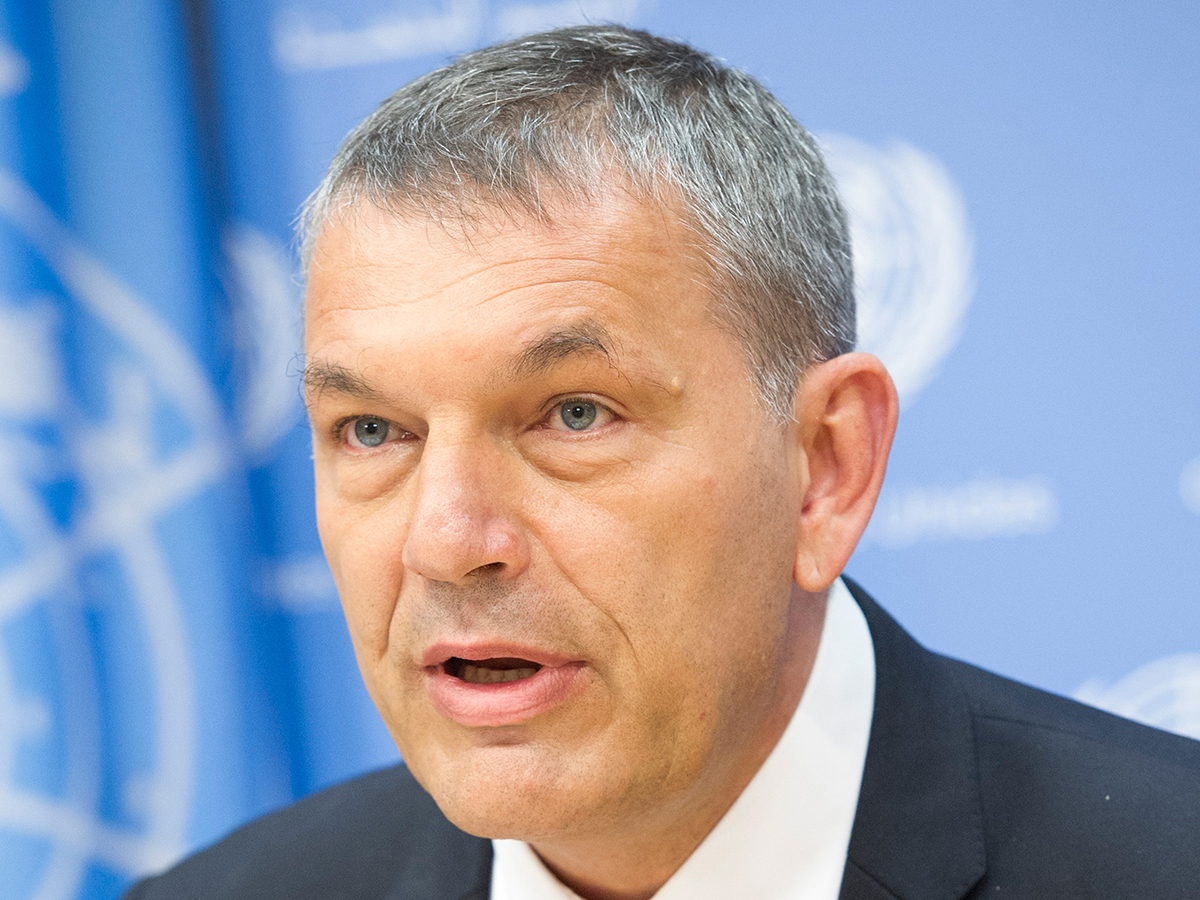
Gaza has become the world’s most dangerous location for journalists and humanitarian workers, with more than 230 journalists killed since the beginning of the conflict, according to Philippe Lazzarini, Commissioner-General of the United Nations Relief and Works Agency for Palestine Refugees (UNRWA).
Speaking on Sunday in New York, Lazzarini criticized the ongoing ban preventing international journalists from entering Gaza independently, warning that these restrictions are fueling disinformation campaigns and contributing to increasingly polarized narratives about the conflict.
“The prohibition on international journalists entering Gaza independently severely undermines efforts to accurately convey the humanitarian situation on the ground,” Lazzarini said. He emphasized that this restriction directly contradicts fundamental principles of media freedom and transparency in conflict reporting.
The UNRWA chief highlighted that the targeting of journalists and aid workers represents a serious violation of international humanitarian law. Since the outbreak of hostilities, media personnel have faced unprecedented dangers while attempting to report from the embattled territory, with casualty figures far exceeding those from other global conflicts in recent years.
Media rights organizations have repeatedly condemned these restrictions, noting that independent journalistic coverage is essential for documenting potential human rights violations and ensuring accurate reporting on civilian casualties and humanitarian conditions.
The situation has created an information vacuum that is increasingly filled by unverified claims from various parties to the conflict. Without independent media verification, allegations regarding military operations, civilian casualties, and humanitarian conditions cannot be properly scrutinized.
Lazzarini’s comments come amid growing international concern about the humanitarian crisis in Gaza, where civilian infrastructure has been severely damaged and access to basic necessities remains critically limited. UNRWA itself has faced significant challenges in delivering aid and maintaining operations in the territory.
The Commissioner-General called for immediate measures to protect journalists and humanitarian workers in accordance with international humanitarian law. He stressed that media organizations must be allowed to carry out their duties without undue restrictions, which are essential for transparency and accountability.
Media advocacy groups have pointed out that the current situation represents one of the most severe restrictions on press freedom in a conflict zone in recent memory. The Committee to Protect Journalists and Reporters Without Borders have documented numerous cases of journalists being targeted while conducting their professional duties in and around Gaza.
The continued ban on international journalists entering Gaza independently has drawn criticism from numerous governments and international organizations, who have called for its immediate lifting. Critics argue that the restriction prevents proper documentation of the conflict and limits public understanding of the humanitarian situation.
As the conflict continues, the absence of independent journalistic coverage remains a significant obstacle to establishing a factual record of events. Lazzarini’s statement underscores the urgent need to protect media freedom as an essential component of international humanitarian principles.
The UNRWA chief concluded his remarks by reiterating that protecting journalists is not only a legal obligation under international humanitarian law but also a practical necessity for addressing the humanitarian crisis and eventually building a path toward sustainable peace in the region.
Fact Checker
Verify the accuracy of this article using The Disinformation Commission analysis and real-time sources.

16 Comments
The high death toll of journalists in Gaza is truly heartbreaking. Their work is essential for documenting the humanitarian crisis and giving a voice to those affected. The restrictions on media access are extremely concerning and likely to exacerbate the spread of disinformation.
Absolutely, the targeting of journalists and aid workers is a serious violation of international law that must be condemned. Protecting press freedom and transparency should be a top priority.
Journalists and aid workers play a vital role, but face unacceptable danger in Gaza. The restrictions on their access are counterproductive and raise questions about the motivations behind them.
Indeed, this points to a broader trend of cracking down on independent reporting in conflict areas. Protecting the media’s ability to do its job is essential for an informed public.
It’s alarming to hear that over 230 journalists have been killed in Gaza. This highlights the immense risks they take to cover important stories. The UNRWA’s concerns about disinformation are well-founded given the media access restrictions.
You’re right, these access restrictions are a major threat to press freedom and transparency. Journalists need to be able to report freely, without fear of violence or retaliation.
This report highlights the grave dangers and challenges facing journalists and humanitarian workers in Gaza. The restrictions on media access are deeply troubling and seem to contradict principles of transparency and press freedom. The high death toll of journalists is a tragic reminder of the immense risks they take to report the truth.
You’re right, this is a deeply concerning situation. The international community must urgently address the targeting of media and aid personnel and ensure their ability to operate freely and safely in conflict zones.
Targeting journalists and aid workers in Gaza is deplorable and a clear violation of humanitarian law. The restrictions on media access are deeply troubling and likely to fuel the spread of disinformation.
I agree, this is a very concerning development. Protecting press freedom and transparency in conflict zones should be a top priority for the international community.
This report highlights the immense dangers and challenges faced by journalists and aid workers in Gaza. The restrictions on their access are deeply problematic and raise serious concerns about the motivations behind them.
You’re right, this issue deserves urgent attention. Ensuring the safety and freedom of the media is crucial for maintaining an informed public, especially in conflict areas.
This situation in Gaza is deeply concerning. Journalists and aid workers put themselves at great risk to report the truth and provide humanitarian assistance. The restrictions on media access are troubling and could contribute to the spread of disinformation.
I agree, transparency and press freedom are critical in conflict zones. The targeting of journalists is a clear violation of international law that must be addressed.
The situation in Gaza is extremely concerning, especially the threats to journalists and aid workers. Restricting their access only serves to undermine efforts to understand the true humanitarian situation on the ground.
Absolutely, the targeting of media and humanitarian personnel is a grave violation of international law that needs to be condemned and addressed urgently.